Area Overview for Noak Bridge
Photos of Noak Bridge
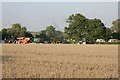
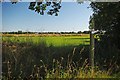
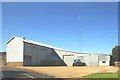

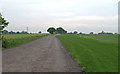
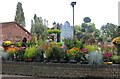
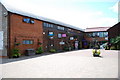
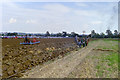
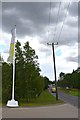
Area Information
Living in Noak Bridge offers a defined, compact experience within a civil parish that covers just 2.7 km². This small footprint means the area feels immediate and manageable, yet it supports a distinct local character. You are entering a settled neighbourhood where daily life revolves around a close-knit environment typical of rural parishes in England. The community does not sprawl; instead, it concentrates, creating a setting where you can easily become familiar with your surroundings. You will find that moving here means joining a population where residents have established deep roots. The area lacks the chaotic energy of urban centres, offering a quieter pace that many find appealing for long-term living. Your days may involve navigating local lanes and accessing nearby amenities, knowing that the entire parish is compact enough to explore on foot or by bike if necessary. This limited size often implies stronger neighbourly bonds and a shared sense of place. When you consider homes in Noak Bridge, you are looking at a setting where space is measured in kilometres rather than miles. It is a choice for those who prioritise a contained, stable environment over expansive, spread-out commuting zones. The parish attracts people seeking a traditional English village atmosphere without the density of larger towns. You will appreciate that Noak Bridge stands as a solitary entity in the landscape, unburdened by the sprawling infrastructure of cities. Your lifestyle here depends on making the most of this specific 2.7 km² zone. Every day brings encounters with a community that values their locality. The simplicity of living here comes with its own rewards for those willing to embrace a smaller scale of existence.
- Area Type
- Parish
- Area Size
- 2.7 km²
- Population
- Not available
- Population Density
- Not available
Demographics
The community profile of Noak Bridge reveals a significant demographic shift away from younger families and working-age populations. The median age sits at 70 years, indicating that the majority of residents are seniors. This age dominance shapes the daily rhythm of the parish, where leisure activities and social structures cater primarily to an older generation. You will encounter a neighbourhood where retirement lifestyles predominate, influencing local shops and community events. Home ownership stands at 73%, a figure that underscores the stability of the resident base. Nearly three-quarters of households own their homes outright or via mortgage, suggesting long-term residents rather than a volatile stream of short-term tenants. This high ownership rate correlates with the age profile, as older demographics typically hold onto their properties for decades. The household composition reflects this static nature, with fewer single-person young households or families with school-age children cramming into typical village demographics. Accommodation types in the parish are not explicitly detailed by breakdown, but the high ownership percentage suggests a stock of family homes built for permanence rather than transient rental occupancy. Diversity metrics and religious affiliation are present in the raw data structure but do not show specific dominant groups in the provided summary, meaning the visible scene may feel homogenous in terms of recent migration patterns. For you, a prospective buyer, this means expectations should centre on an older, established community. The lack of significant youth influx or high rental turnover creates a very specific, quiet atmosphere. You will live among neighbours who have likely called this parish home for much of their lives.
Household Size
Accommodation Type
Tenure
Ethnic Group
Religion
Household Composition
Age
Household Deprivation
NS-SEC
Explore more demographic insights in this area
Go to Demographics tabPlanning
Planning Constraints
- Flood RiskPremium
- Ramsar Wetland SitesPremium
- Area of Outstanding Natural BeautyPremium
- Protected Nature ReservePremium
- Protected WoodlandPremium
- Crime RiskPremium