Area Overview for Moggerhanger
Photos of Moggerhanger
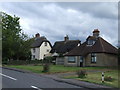
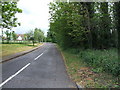
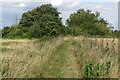
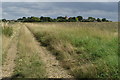
Area Information
Living in Moggerhanger means settling into a built-up area of 34.3 hectares situated in England. This locality stands apart due to its specific demographic profile, which skews significantly towards an older population with a median age of 70. Such a statistic defines the daily rhythm of the neighbourhood, suggesting a community where retirement vacations and quiet domestic life often take precedence over youthful energy. You move here knowing the area is primarily residential with a strong sense of established routine. The compact size of the settlement fosters a close-knit environment, yet the presence of fitted homes indicates a legacy of settled occupants rather than a transient workforce. Prospective residents should understand that this is a place defined by its stable, mature character rather than rapid development or demographic shifts. The area does not attract young families seeking start-up hubs; instead, it offers a specific type of living suited for those seeking a slower pace. Every aspect of your days in Moggerhanger will reflect this reality, from the timing of local shops to the demographic makeup of your new neighbours. You are entering a community with a clear identity shaped by years of continuity.
- Area Type
- Built Up Area 250
- Area Size
- 34.3 hectares
- Population
- Not available
- Population Density
- Not available
Your daily lifestyle in Moggerhanger revolves around a limited cluster of practical amenities found just outside the built-up area. For essentials like groceries, you have five retail outlets nearby, including Asda Sandy and The Southern Co-operative Co. You can rely on these specific supermarkets for your weekly shopping needs without travelling far. Housing-related services and financial institutions are accessible through St Johnsbury or The Southern Co-operative Co, ensuring you can manage your mortgage or savings locally. For commuting, the railway network offers four stations in the immediate region. You can catch trains to Sandy Railway Station, Biggleswade Railway Station, or Bedford St Johns Railway Station to access wider opportunities. These named transport hubs are your primary link to the wider county. The convenience of these specific shops and stations means that while Moggerhanger is self-contained for basics, it remains reliant on these external nodes for major leisure or work travel.
Amenities
Schools
There is only one primary institution listed within the immediate vicinity for students in Moggerhanger. Moggerhanger Primary School holds a good Ofsted rating, which is a significant positive for any family considering relocation based on educational standards. The school serves the primary age group, aligning perfectly with the home ownership and housing stock of the built-up area. However, the absence of secondary schools in the provided data indicates that your children, if they have them, would require transport to nearby towns for upper-level education. This single school rated good is the only formal provision explicitly available for kindergarten pupils living in moggerhanger. You must plan travel to find further education options, as the local infrastructure focuses heavily on the early years. This concentration of one rated primary school reinforces the area's focus on younger dependent care as a secondary function, driven mainly by the occasional young family among the senior demographic.
| Rank | School | Type | Entry gender | Ages |
|---|
Explore more schools in this area
Go to Schools tabDemographics
The community in Moggerhanger presents a singular picture defined by age and ownership. With a median age of 70, the population is overwhelmingly senior, a fact that shapes every local interaction. This high age concentration means you are likely to neighbour retirees rather than young professionals actively raising children. The area boasts an impressive 81% home ownership rate, which signals deep roots and long-term stability among residents. Such a level of ownership typically correlates with lower mobility and a sustained local presence. Household composition reflects this reality, with many homes occupied by couples or single seniors managing their own properties. Accommodation types align with this need for security and permanence, favouring larger dwellings over shared housing. Diversity metrics and religious affiliations are present within the total population but do not drive the immediate social fabric in the way they might elsewhere. You can expect a neighbourhood where household decisions are made by homeowners who have likely lived here for decades. The environment supports those who have liquidated youthful ventures and now prioritise peace and ownership.
Household Size
Accommodation Type
Tenure
Ethnic Group
Religion
Household Composition
Age
Household Deprivation
NS-SEC
Explore more demographic insights in this area
Go to Demographics tabPlanning
Planning Constraints
- Crime RiskPremium