Area Overview for Metfield
Photos of Metfield
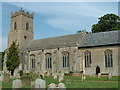
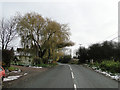
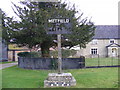
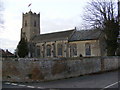
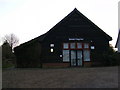
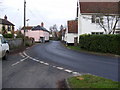
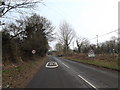
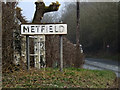
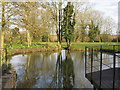
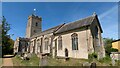
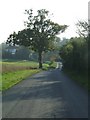
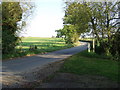
Area Information
Living in Metfield offers a quiet retirement lifestyle within a built-up area of 21.8 hectares in England. This distinct community is defined by its stability, with residents enjoying a homeward-bound atmosphere shaped by a long-established population base. You will find a neighbourhood where daily life moves at a measured pace, away from the rush of larger urban centres while remaining connected to local services. The small footprint of this settlement dictates a close-knit environment where proximity to local shops and transport links is a central feature of living here. Communities in Metfield are largely settled homeowners who have chosen this location for its particular character and peace. The area appeals to those seeking to escape the demands of high-pressure careers without losing access to essential amenities. You can expect a setting where the built environment supports a steady, predictable routine rather than rapid urban expansion. The compact nature of Metfield means that practical needs are met locally, reducing the need for extensive travel for daily shopping or visits to nearby Halstead Waveney Area. This consistency provides a secure foundation for residents, particularly older households who value familiarity and stability over the transient energy of developing districts.
- Area Type
- Built Up Area 250
- Area Size
- 21.8 hectares
- Population
- Not available
- Population Density
- Not available
Your daily life in Metfield revolves around a cluster of local amenities that keep essential services within practical reach. For shopping needs, you can visit three main retail locations, including Budgens Harleston, East of England Co-operative Co, and Co-op Laxfield. These supermarkets and cooperatives provide everything from fresh groceries to household essentials, reducing the need for long car journeys to large retail parks. You will find that living in Metfield means having your weekly shop available nearby, which is particularly convenient for the 75% of residents who own their homes and settle into local routines. Transport links are equally accessible, situated near two key railway points identified as Entrance1 and Halesworth Railway Station. These stations ensure that travelling to nearby towns or coastal destinations remains manageable. The area sits in a built-up zone of 21.8 hectares, meaning these amenities are woven into the fabric of the community rather than located in distant commercial zones. While dining options or large leisure centres are not explicitly listed in the nearest amenities data, the presence of major convenience stores and rail links supports a functional, self-sufficient lifestyle. You can expect a quiet existence where the focus is on fundamental necessities and connectivity to the wider Halesworth region rather than entertainment hubs.
Amenities
Schools
| Rank | School | Type | Entry gender | Ages |
|---|
Explore more schools in this area
Go to Schools tabDemographics
The community in Metfield presents a clear demographic profile dominated by older residents. The median age stands at 70 years, indicating that the majority of the population falls within the late middle aged to senior age bracket. You will encounter a neighbourhood where total age statistics reflect a community designed around the needs of retirees and older adults. This age concentration shapes the local culture, with social clubs, gentle walking routes, and support networks tailored to an aging populace taking centre stage. Home ownership defines the social fabric of this area, with 75% of households owning their homes outright. This high level of proprietorship suggests a resident base invested in their local properties and less concerned with the fluctuating demands of the rental market. The remaining quarter of households are renters, contributing to a balanced but predominantly owner-occupied stock. Data on specific household composition types and predominant ethnic groups or religious affiliations are not provided in the current records, but the ownership figure alone paints a picture of financial stability among inhabitants. This concentration of owners typically correlates with a quieter, less transient environment compared to areas with higher rental densities.
Household Size
Accommodation Type
Tenure
Ethnic Group
Religion
Household Composition
Age
Household Deprivation
NS-SEC
Explore more demographic insights in this area
Go to Demographics tabPlanning
Planning Constraints
- Crime RiskPremium