Area Overview for London Colney
Photos of London Colney


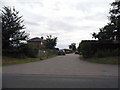
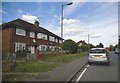


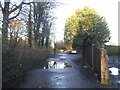


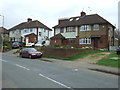

Area Information
Living in London Colney offers a distinct experience within the Hertfordshire landscape. This built-up area sits at a scale of 2.2 square kilometres, creating a compact neighbourhood where daily life feels manageable yet well-connected. The location is defined by its proximity to major rail hubs, specifically Park Street Railway Station, How Wood Railway Station, and St Albans City Railway Station. These transport links provide practical access to the wider region without the density of a large city. Residents here enjoy access to practical retail options, including Co-op London, Tesco Colney, and Sainsburys London, which reside within easy reach. The setting balances suburban convenience with the distinct character of a smaller community. You will find that the layout supports a pace of life focused on accessibility. The area does not sprawl indefinitely; its defined boundaries mean that destinations remain close. This structure suits those who value a clear sense of local neighbourhood while maintaining efficient travel times to employment centres. The area avoids the chaos of a major metropolis but retains the resources necessary for modern living standards.
- Area Type
- Built Up Area 250
- Area Size
- 2.2 km²
- Population
- Not available
- Population Density
- Not available
Daily life in London Colney is supported by a cluster of practical amenities within easy reach. Residents benefit from five retail options, including Co-op London, Tesco Colney, and Sainsburys London. These supermarkets and shops handle your weekly grocery shopping and daily retail needs without a long car journey. Transport links further enhance lifestyle convenience, with five rail stations available in close proximity. Notable stations include Park Street Railway Station, How Wood Railway Station, and St Albans City Railway Station. This railway network offers quick access to St Albans and beyond. The area avoids the need for extensive travel to find basic necessities. You can combine local retail trips with commuting schedules efficiently. The availability of these specific venues ensures that conveniences are not sacrificed for the sake of a smaller community size. Living in London Colney means your essential errands are handled locally while your commute times remain manageable via the rail network.
Amenities
Schools
Families considering homes in London Colney have several educational options nearby. London Colney Nursery School serves the youngest children in the community. London Colney Primary & Nursery School operates with a 'good' Ofsted rating, providing a regulated standard for early education. Bowmansgreen Primary School also holds a 'good' Ofsted rating, adding a second highly-rated option for primary age groups. Saint Bernadette Catholic Primary School and Saint Bernadette Voluntary Catholic Primary Academy offer alternative schooling pathways for those seeking a religious foundation. The presence of two primary schools with 'good' ratings indicates a solid educational infrastructure for young families. You will find a mix of denominational and non-denominational institutions, catering to different educational preferences. The variety ensures that parents have choices regarding their children's schooling without needing to commute extensively. While the specific catchment areas for each institution are not listed, the quality ratings offer a clear benchmark for the standard of education available in the immediate vicinity of London Colney.
| Rank | School | Type | Entry gender | Ages |
|---|
Explore more schools in this area
Go to Schools tabDemographics
The community profile in London Colney reflects a settled, older population. The median age stands at 70 years, indicating that the neighbourhood is home to a significant number of retirees. Age: Total is the most common age range category recorded for the area, reinforcing this demographic trend. With 69% of households owning their homes, the area is predominantly owner-occupied rather than a rental market. This high level of ownership suggests long-term stability and investment in the local neighbourhood. Household composition and accommodation type data point toward a mature living environment where residents have typically managed their properties for many years. The demographic data does not reveal specific details on ethnicity or religion, so these aspects of diversity remain outside the scope of the available statistics. However, the age skew means the area caters primarily to later-life living needs. Standard family units with young children are less likely to be the majority demographic compared to empty nesters or retirees. Understanding this profile helps buyers recognise the likely social atmosphere and the types of services that support the typical resident.