Area Overview for Little Sampford
Photos of Little Sampford
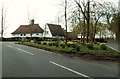
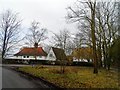
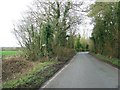
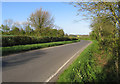
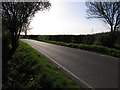
Area Information
Living in Little Sampford offers a distinct experience within a civil parish that spans 13.4 km². This settlement provides a rural setting where daily life remains steady and predictable. You will find a community defined by stability rather than rapid change. The area balances local amenities with the quietude that characterises much of the surrounding countryside. Residents here enjoy a pace of life that suits those seeking space and tranquility. The location maintains a clear separation from the busiest urban centres while offering a defined sense of place. This makes it a practical choice for individuals or families who value privacy without complete isolation. The parish status indicates a level of local governance that supports community cohesion. You do not have to compromise on rural charm if you prefer a structured environment. Life here revolves around local operations rather than dependency on distant infrastructure. The size of the area ensures you have breathing room on your doorstep. This setting appeals to those prioritising a traditional village atmosphere over urban density.
- Area Type
- Parish
- Area Size
- 13.4 km²
- Population
- Not available
- Population Density
- Not available
Demographics
You will encounter a predominantly older population when considering homes in Little Sampford. The median age stands at 70, which significantly distinguishes the community from more youthful urban districts. Most residents fall into the older age brackets, creating a demographic profile focused on retirement or later-life living. This does not necessarily mean the area is devoid of younger people, but the statistical weight lies firmly with senior citizens. Approximately 79% of households Practice home ownership, meaning most properties are privately held rather than rented. This high ownership rate typically correlates with long-term settlement and investment in the local housing stock. The high proportion of owner-occupiers suggests stability, as residents are less likely to relocate frequently. While the data does not break down specific ethnic groups or religious affiliations, the overall picture points to a settled community with established local ties. Deprivation levels are not explicitly detailed in the current statistics, yet the low crime risk and ownership levels often correlate with stable neighbourhoods. You should expect a social environment where neighbours have known each other for decades rather than recent arrivals constantly cycling through the street.
Household Size
Accommodation Type
Tenure
Ethnic Group
Religion
Household Composition
Age
Household Deprivation
NS-SEC
Explore more demographic insights in this area
Go to Demographics tabPlanning
Planning Constraints
- Flood RiskPremium
- Ramsar Wetland SitesPremium
- Area of Outstanding Natural BeautyPremium
- Protected Nature ReservePremium
- Protected WoodlandPremium
- Crime RiskPremium