Area Overview for Little Paxton
Photos of Little Paxton
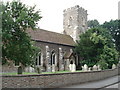
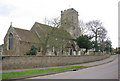
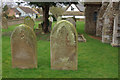

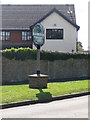

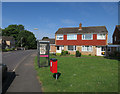

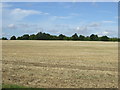
Area Information
Little Paxton is a built-up area in Cambridgeshire covering 97.9 hectares. It serves as a residential community within the wider Peterborough unitary authority region. The name suggests a connection to historical land ownership, yet today it functions as a practical suburb. Residents find themselves in a setting that balances rural quiet with proximity to larger towns. The distribution of homes across these hectares creates a neighbourhood with a defined character. You will find a distinct sense of place that separates it from the surrounding countryside. Living in Little Paxton means accessing the logistical benefits of nearby St Neots while maintaining a smaller footprint. The area is home to individuals seeking a established community rather than a rapidly developing city centre. Daily life revolves around the practicalities of the local infrastructure. You can commute to major employment hubs with relative ease. The housing stock reflects decades of development. This makes Little Paxton a settled location where families and retirees have established roots. The area does not offer the congested atmosphere of a major city but provides sufficient facilities for everyday needs. You are not isolated from service provisions.
- Area Type
- Built Up Area 250
- Area Size
- 97.9 hectares
- Population
- Not available
- Population Density
- Not available
Daily life in Little Paxton centres on convenience and proximity to larger retail hubs. You have access to five notable retail locations within practical reach. Tesco St Neots SF represents a major superstore for general groceries and household goods. M&S St Neots SF provides fashion and clothing options for regular shopping trips. Co-op Little offers a local stop for fresh food and banking services closer to home. Transport links are managed through one major railway station. St Neots Railway Station anchors your travel network. This station enables quick trips to Cambridge, London, and Norwich. The proximity to these national destinations defines the pace of your weekend and work week. You do not need to travel far for essential errands. The 97.9 hectares of land support a low-density lifestyle. You will find green spaces interspersed with housing developments. There are no large commercial shopping centres within the immediate vicinity. Instead, you rely on out-of-town centres like St Neots for department stores and cinema complexes. This separation keeps the local streets quieter during the day. Living in Little Paxton means a life of planned excursions to St Neots complemented by local convenience store visits. The area lacks nightlife or major entertainment venues on-site. You will need to budget travel time for social activities outside your immediate neighbourhood. The retail mix prioritises practical needs over leisure destinations.
Amenities
Schools
Families considering Little Paxton face limited educational options within the immediate immediate neighbourhood boundaries. The only primary school listed for this area is Little Paxton Primary School. It holds a Good Ofsted rating. This designation confirms the school meets standards for safety, behaviour, and attainment. It serves as the key educational institution for young children in the community. You will not find secondary schools directly within Little Paxton's 97.9 hectares. Residents typically look towards larger towns in Cambridgeshire or Peterborough for secondary education. The presence of a single primary school suggests that the catchment area acts as a feeder for larger institutions elsewhere. This arrangement is common in smaller built-up areas where local building projects are restricted. For families in Little Paxton, the Good rating of Little Paxton Primary School provides a solid foundation. School transport routes likely connect the hamlet to St Neots or other centres. You must plan your relocation around these larger destinations if your children enter secondary education later. The concentration of educational provision near the residential core supports early childhood development. However, the lack of secondary options in the data confirms you must look outside Little Paxton for older students.
| Rank | School | Type | Entry gender | Ages |
|---|
Explore more schools in this area
Go to Schools tabDemographics
The community of Little Paxton skews significantly towards older residents. The median age stands at 70 years. This demographic profile distinguishes the neighbourhood from younger, family-centric suburbs. You are more likely to encounter pensioners than young professionals walking the streets. The absence of specific age range breakdowns reinforces the dominance of this older population cohort. Home ownership is a defining feature of local life. 68% of residents own their homes outright or with a mortgage. This figure indicates a stable, invested community rather than a transient rental market. You will find few furnished flats or short-term tenancies in this area. The social fabric relies on long-term settlement. The data does not specify ethnicity or religion, but the high ownership rate suggests a homogenous intent among residents. Accommodation types are not itemised, yet the context of a 70-year-old median age points towards detached or semi-detached properties rather than high-density social housing. Deprivation is not mentioned in the provided information, but the high ownership rate correlates with traditional working-class or retired demographics in similar Essex and Cambridgeshire towns. You can expect a community that values stability. The population mix suggests a quiet environment where neighbours know each other over long periods. This demographic reality shapes the pace of daily life and local governance preferences.
Household Size
Accommodation Type
Tenure
Ethnic Group
Religion
Household Composition
Age
Household Deprivation
NS-SEC
Explore more demographic insights in this area
Go to Demographics tabPlanning
Planning Constraints
- Crime RiskPremium