Area Overview for Little Cornard
Photos of Little Cornard
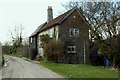

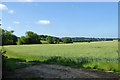
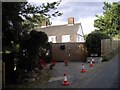
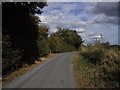
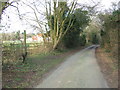
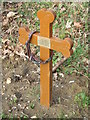
Area Information
Little Cornard is a small civil parish located within the Babergh district of Suffolk, England. The village covers an area of 6.9 km² and sits approximately 0.8 km from Great Cornard on the B1508 road. This route connects the parish to Sudbury and Colchester, placing Little Cornard about 4.8 km from Sudbury. A wooden church likely existed here in 1086, as recorded in the Domesday Book, linking the settlement to the de Cornard knightly family. The area is known for All Saints Church, a Grade I listed flint and brick building dating to the fourteenth and fifteenth centuries. You will find this church isolated in the fields, notable for its six bells. Local history also includes the Sharpfight Meadow site, where a legend records a dragon fight between a black and red dragon on 26 September 1449. Living in Little Cornard means embracing a quiet rural existence with deep historical roots. The village offers freedom from urban noise while maintaining proximity to larger towns. You can access local amenities via the road to Great Cornard while enjoying the peace of the hundred of Babergh. The landscape features open fields surrounding the historic church, providing a scenic backdrop for daily life.
- Area Type
- Parish
- Area Size
- 6.9 km²
- Population
- Not available
- Population Density
- Not available
Demographics
The community in Little Cornard reflects a settled, long-term population. The median age stands at 70 years, indicating that residents typically settle in retirement. This demographic profile suggests the area attracts older adults seeking a tranquil life. The high median age means you will encounter fewer young families compared to urban suburbs. House ownership rates are significant, with 73% of residents owning their homes. This figure demonstrates that the market is dominated by those who have remained in the area for extended periods. Accommodation types favour permanent residences rather than transient housing. The population structure supports a neighbourhood where neighbours have known each other for generations. Low median age figures are not evident, confirming the lack of a youthful demographic shift. This stability creates a predictable community environment. You will find that the local shops and services cater primarily to the needs of older residents. The absence of younger age brackets means schools may be less central to daily infrastructure. Home ownership provides security, reinforcing the status of Little Cornard as a retirement-friendly destination. The 73% ownership rate highlights a community built on long-term residence rather than investment turnover.
Household Size
Accommodation Type
Tenure
Ethnic Group
Religion
Household Composition
Age
Household Deprivation
NS-SEC
Explore more demographic insights in this area
Go to Demographics tabPlanning
Planning Constraints
- Flood RiskPremium
- Ramsar Wetland SitesPremium
- Area of Outstanding Natural BeautyPremium
- Protected Nature ReservePremium
- Protected WoodlandPremium
- Crime RiskPremium