Area Overview for Little Common
Photos of Little Common

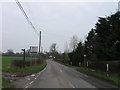
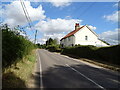
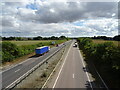
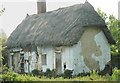
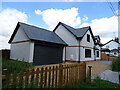
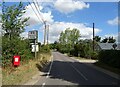

Area Information
Little Common stands as a distinct built-up area within England, covering a total of 25.5 hectares. You will find this locality characterised by its established nature as a town or city district rather than open countryside. The area accommodates a specific residential community where space is utilised efficiently within its fixed boundaries. Living in Little Common means residing in a compact zone designed for density and function. This neighbourhood forms part of the broader local landscape, offering a defined setting for everyday life. Residents enjoy a clear sense of place within this 25.5-hectare footprint. The layout supports a traditional suburban or semi-urban living style typical of such built-up areas. You can expect a structured environment where local services are anchored to a central point. The area does not sprawl indefinitely; instead, it presents a concentrated cluster of homes and facilities. This makes commuting and daily navigation straightforward for those residing here. The defined scale of the area contributes to a cohesive community atmosphere. Anyone looking to settle in Little Common finds a ready-made locality with established patterns of living. The area's size allows for easy access to surrounding regions while maintaining a local identity.
- Area Type
- Built Up Area 250
- Area Size
- 25.5 hectares
- Population
- Not available
- Population Density
- Not available
Living in Little Common grants you access to specific amenities within a short practical distance. Five retail outlets operate nearby, including Tesco Braintree, Chelmsford Star Co-operative Society Co, and M&S Braintree BP. These venues cater to your daily needs for groceries, household essentials, and fuel without requiring a long journey. Transportation relies on a single bus interchange and four railway stations, including Braintree Railway Station and Cressing Railway Station. This network ensures you can reach broader employment hubs or leisure destinations easily. The presence of M&S Braintree BP suggests convenience for motorists needing fuel or quick stops. Shopping opportunities are concentrated around these five key retail locations, providing sufficient variety for routine purchases. Dining options are likely linked to these retail centres, though specific restaurant names are not listed in the current data. The area functions around these core commercial points, creating a walkable or short-drop lifestyle. You will spend little time driving to the essentials, with shops and services clustered in close proximity. The simplicity of having Tesco Braintree and local co-ops next door reduces the need for extensive car trips. This level of convenience defines the everyday rhythm for anyone calling Little Common their home.
Amenities
Schools
| Rank | School | Type | Entry gender | Ages |
|---|
Explore more schools in this area
Go to Schools tabDemographics
The community profile of Little Common reveals a significant proportion of older residents, with a median age of 70 years. This indicates that a large portion of the population falls into the senior demographic bracket. You will likely encounter neighbours who have lived in the area for decades or moved here later in life. The home ownership rate stands at 83 per cent, showing a strong preference for buying compared to renting. This high level of ownership suggests long-term residents who have invested in their properties. Accommodation types and ethnic diversity data are not explicitly detailed in the available records. Instead, the demographic focus remains on age and ownership statistics. Household composition data is recorded but lacks specific breakdowns in the current information set. Deprivation indicators are absent from the provided dataset, yet the stable ownership rate implies financial security for most families. The age profile suggests a quieter environment compared to areas with a younger workforce. Families with young children may find the older median age influences the local pace of life. The 83 per cent ownership figure is the most concrete statistic defining the social fabric. Residents here tend to view their homes as permanent settlements rather than temporary bases.
Household Size
Accommodation Type
Tenure
Ethnic Group
Religion
Household Composition
Age
Household Deprivation
NS-SEC
Explore more demographic insights in this area
Go to Demographics tabPlanning
Planning Constraints
- Crime RiskPremium