Area Overview for Little Abington
Photos of Little Abington
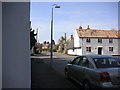
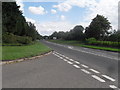


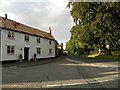
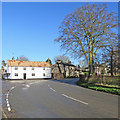
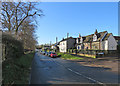

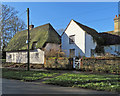

Area Information
Living in Little Abington offers a quiet existence within a defined built-up area located in England. This locality covers exactly 37.3 hectares, providing a compact sense of community rather than the sprawl of larger cities. You will find a neighbourhood that feels contained and intimate, suitable for those seeking a settled pace of life away from the busiest urban centres. The area functions as a distinct residential zone where daily routines are shaped by local convenience rather than major urban infrastructure. Prospective buyers looking at Little Abington should expect a setting defined by its modest scale and established character. The land use classification identifies it clearly as a town or city built-up area, ensuring you understand the density and layout before viewing homes. There is a practical suitability for individuals who value proximity to home over extensive travel to work or leisure. The physical boundaries of the 37.3 hectare site mean you can walk or drive short distances to key points of interest without spending significant time in transit. This environment caters to those who prefer stability and familiarity. The modest size suggests a lower volume of foot traffic and a reduced likelihood of chaotic development projects. You can navigate Little Abington efficiently, knowing the route between your home and essential services like shops or train stations will not exceed a reasonable walk or drive. The area represents a straightforward choice for residents who prioritise a manageable living footprint over expansive landscapes.
- Area Type
- Built Up Area 250
- Area Size
- 37.3 hectares
- Population
- Not available
- Population Density
- Not available
Daily life in Little Abington is supported by a practical network of amenities located within practical reach of your home. Retail provision is handled by five local stores, including Spar - Abington Stores &, Spar Harvest, and Co-op Linton. You can attend to all basic shopping needs without travelling far, ensuring that daily essentials are always available. These venues offer the convenience of quick trips for groceries and household items, reducing the need for lengthy journeys to larger supermarkets. Your rail connectivity is underpinned by proximity to three stations: Whittlesford Parkway Railway Station, Shelford Railway Station, and Great Chesterford Railway Station. These transit points allow you to travel efficiently to Cambridge or London without relying solely on private vehicles. The availability of multiple rail options provides flexibility for work commutes and weekend excursions. Living in Little Abington means having immediate access to these transport nodes, which are key to maintaining a broader lifestyle connected to the rest of the region. The combination of local shops and rail links creates a self-sufficient lifestyle punctuated by convenient travel opportunities. You do not need to plan your week around single points of interest; instead, you can utilise the variety of services on offer. The presence of Spar and Co-op outlets ensures that your pantry requirements are met locally, while the railway stations keep you connected to wider opportunities. This balance of local independence and regional connectivity defines the resident experience here.
Amenities
Schools
| Rank | School | Type | Entry gender | Ages |
|---|
Explore more schools in this area
Go to Schools tabDemographics
The community residing in Little Abington displays a distinct demographic profile characterised by an older population. The median age for residents here stands at 70 years, indicating a neighbourhood primarily occupied by retirees and older adults. This age concentration means you will encounter a community accustomed to a slower pace of life and specific local social rhythms. Understanding this age distribution helps you gauge the social environment and the types of neighbours you might meet. Home ownership dominates the housing landscape, with 71% of residents owning their properties outright or with a mortgage. This high ownership rate suggests a stable community where long-term investment and attachment to the locality are common themes. You are more likely to find established homeowners looking to downsize or maintain their current estates than transient renters seeking temporary accommodation. The household composition and accommodation types reflect this sedentary lifestyle, creating a predictable environment where social networks are often decades old. Diversity data for the predominant ethnic group, religion, and specific household breakdowns are not detailed in the current records, but the age and ownership statistics offer a clear picture of the social fabric. The high percentage of owner-occupiers implies a desire for tenure security and control over one's immediate surroundings. Living in Little Abington means joining a group where financial commitment to the property is the norm, fostering an atmosphere of community responsibility among the older demographic. This stability is a defining feature of the area's identity.
Household Size
Accommodation Type
Tenure
Ethnic Group
Religion
Household Composition
Age
Household Deprivation
NS-SEC
Explore more demographic insights in this area
Go to Demographics tabPlanning
Planning Constraints
- Crime RiskPremium