Area Overview for Litlington
Photos of Litlington
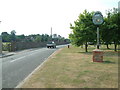
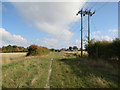
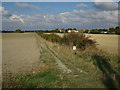
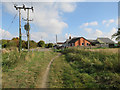
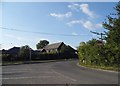
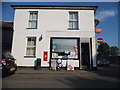
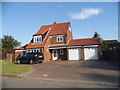
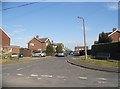
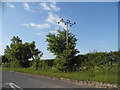
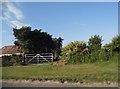
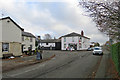
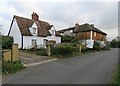
Area Information
You are approaching a community defined by stability and quiet adherence to tradition, not modern expansion. Litlington exists as a distinct built-up area covering 35.4 hectares within England. Its physical footprint is modest, suggesting a landscape shaped by its historical role rather than relentless growth. This scale supports a way of life where residents likely know one another, as the population density remains contained within these specific boundaries. The area functions as a smaller town or city where daily routines do not require lengthy commutes for basic needs. You will find that living in Litlington involves navigating a space that prioritises established order over commercial vibrancy. The character here is rooted in a very specific demographic reality, which influences the neighbourhood's atmosphere and pace. Most people here are settled into long-term commitments rather than dealing with the transient nature of student housing or young professional clusters. This context creates an environment where property values and community expectations are tied to enduring tenure. When you consider homes in Litlington, you are entering a market where change moves slowly and established patterns dominate the streets. The area's size relative to its population means that绿化 and local spaces are significant parts of the local environment.
- Area Type
- Built Up Area 250
- Area Size
- 35.4 hectares
- Population
- Not available
- Population Density
- Not available
Daily life in Litlington benefits from a short walk to essential retail and transport hubs. Within practical reach, you have access to five local amenities, with notable shops including Spar, Aldi Royston, and Tesco Royston. These supermarkets cater to all your weekly shopping needs, ensuring that you do not have to drive far for groceries. The presence of Aldi and Tesco indicates a well-stocked retail environment capable of supporting a standard household budget. Transport links are integrated into your daily routine, with four nearby railway stations connecting you to the wider region. Royston Railway Station, Ashwell and Morden Railway Station, and Meldreth Railway Station are all within your reach. This rail network means you can step out of your house and move quickly if you need to run an errand or take a longer trip. The proximity of these stations adds a layer of convenience that larger towns often fail to match in such a compact area. While specific leisure centres, parks, or schools are not named in the immediate amenity list beyond the station referrals, the retail options suggest a self-sufficient lifestyle. You can manage your household affairs locally, reducing the need for extensive car dependency. The character of Litlington is one of convenience and local focus. You spend your day in a neighbourhood where the basics are accessible on foot, and the essentials are found within a short drive or train ride.
Amenities
Schools
| Rank | School | Type | Entry gender | Ages |
|---|
Explore more schools in this area
Go to Schools tabDemographics
The community profile reveals a population heavily weighted towards older generations, with a median age of 70. This statistic solidifies the area as a retirement haven rather than a youthful hub. You are likely to encounter a significant concentration of retirees living in their family homes or purpose-built accommodation. House ownership stands at impressive levels, with 82% of residents owning their property outright or with a mortgage. This high rate contrasts sharply with high-rent districts, indicating deep roots and financial stability within the neighbourhood. The household composition reflects this older demographic, though specific breakdowns by household type are not detailed in the current records. Regardless of how many people live in each house, the overarching trend points to single-person households, couples in retirement, or small families. The accommodation types available here support these needs, providing a range of housing solutions suitable for later life. You will not find the high levels of student housing or gig-worker rentals that characterise city centres. The predominant ethnic group and religious makeup of Litlington are not quantified in the provided statistics, yet the 82% ownership figure alone speaks to a community that stays put over a lifetime. Deprivation levels are not explicitly disaggregated here, yet the high ownership rate suggests residents possess the means to maintain their properties. This economic stability is a defining feature of the area. When you look at schools near Litlington, you are supporting an education system that serves this established, older population rather than a transient workforce. The demographic data paints a clear picture of a neighbourhood where life stages are marked by settling rather than starting.
Household Size
Accommodation Type
Tenure
Ethnic Group
Religion
Household Composition
Age
Household Deprivation
NS-SEC
Explore more demographic insights in this area
Go to Demographics tabPlanning
Planning Constraints
- Crime RiskPremium