Area Overview for Lingwood
Photos of Lingwood
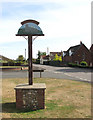
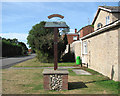
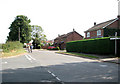
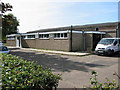
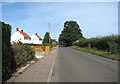
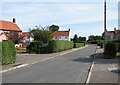
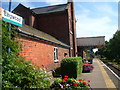
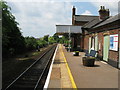
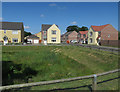
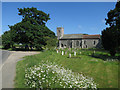
Area Information
Lingwood occupies 83.8 hectares as a built-up area within Norfolk. It functions as a settled residential community rather than a major industrial hub or sprawling commuter town. The locality offers a sense of stability for those seeking a quiet setting outside the reach of Norwich city centre. Residents define this part of the North Norfolk Coast as a place where daily life moves at a steady pace. You will find that living in Lingwood involves relying on local services while accessing wider opportunities in nearby towns. The area combines traditional village amenities with practical transport links. This distinction makes it an attractive option for families or retirees who prioritise space over urban density. You can expect a neighbourhood where the connection to the coast is a defining feature of the landscape. The town's size ensures that facilities remain manageable, avoiding the congestion found in larger regional centres. Your daily routine here likely centres on local shops and community spaces. This layout supports a lifestyle that balances domestic comfort with access to broader regional networks. The environment caters to people who value a straightforward, uncluttered approach to living.
- Area Type
- Built Up Area 250
- Area Size
- 83.8 hectares
- Population
- Not available
- Population Density
- Not available
Daily life in Lingwood centres on a selection of amenities within practical reach. Residents can access six railway stations nearby, including Lingwood Railway Station, Buckenham Railway Station, and Brundall Railway Station. These connections facilitate travel to Norwich and other regional hubs. For quick retail needs, five shops operate close by. Notable venues include a Spar and two Co-op locations, specifically Co-op 49-53 and Co-op 122. These supermarkets provide essential groceries and daily refreshments. You will also find a ferry terminal at Reedham Ferry North, offering access to the Yarmouth ferry route. This transport option links the village directly to the seaside and mainland ferries. The presence of a ferry terminal distinguishes Lingwood as a coastal gateway community. Dining options are largely found within the retail units mentioned nearby. The combination of rail links and ferry services creates a versatile transport network. You do not need to drive for all your regional travel needs. Local convenience stores handle immediate requirements for most households. The mix of transport modes supports both regular commuting and holiday travel.
Amenities
Schools
Families living in Lingwood benefit from a network of primary institutions nearby. Lingwood Junior School serves as a primary institution for young learners. Lingwood First and Nursery School provides education and childcare for younger children. Another option is Lingwood Primary and Nursery School, which complements the local educational offerings. For those prioritising educational standards, Lingwood Primary Academy holds a good Ofsted rating. This specific school offers a verified standard of education for residents. The presence of multiple primary providers indicates a commitment to local schooling without relying heavily on secondary facilities within the immediate area. You will find that these schools cater to the early stages of a child's academic life. The concentration of primary education suggests that families may send older children to schools in nearby larger towns. The mix of schools includes dedicated nursery provisions alongside full primary academies. This arrangement allows parents to find suitable placements close to home. The good rating at Lingwood Primary Academy provides a clear indicator of quality for choosing in education.
| Rank | School | Type | Entry gender | Ages |
|---|
Explore more schools in this area
Go to Schools tabDemographics
The community in Lingwood reflects a settled population pattern with clear generational roots. The median age stands at 70 years, indicating that the area draws significantly from older residents. Most commonly, the population consists of adults within the age range typical for retirement or long-term residency. You will encounter a high rate of home ownership, with 77% of households owning their properties outright. This figure suggests a stable community where long-term residents have invested in their local homes. The demographic profile points towards a cohort that has lived in the area for extensive periods. Families with young children appear less common compared to older age groups, though two primary schools serve the younger population. The high ownership percentage aligns with a resident base that values permanence over temporary accommodation. You can expect a neighbourhood where neighbours often know each other through decades of shared history. This stability creates a reliable social environment for those who move there. The age distribution signals a quiet domestic lifestyle rather than a fast-paced urban experience.
Household Size
Accommodation Type
Tenure
Ethnic Group
Religion
Household Composition
Age
Household Deprivation
NS-SEC
Explore more demographic insights in this area
Go to Demographics tabPlanning
Planning Constraints
- Crime RiskPremium