Area Overview for Lindsey
Photos of Lindsey
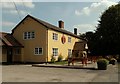
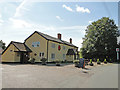
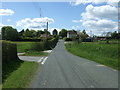
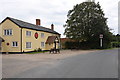
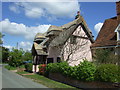
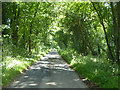
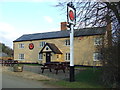
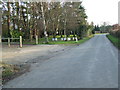

Area Information
Lindsey is a civil parish covering 5.2 km² in England. You will find a restricted landscape here with no nearby Ramsar wetland sites or Areas of Outstanding Natural Beauty to manage planning applications. The environment does include protected woodland, which introduces specific constraints to future development within the parish boundaries. Daily life in Lindsey reflects a quiet, settled pace rather than a bustling urban rhythm. The area functions as a distinct rural community rather than a sub-division of a larger town. This isolation can appeal to buyers seeking a traditional country setting, yet it means essential services and major amenities rely on travel to surrounding hubs. The small geographic footprint concentrates the local population, creating an intimate neighbourhood where residents know one another. You can expect a tranquil environment free from the significant flood risks found in lower-lying parishes, with a low coverage area minimizing disruption to building sites. Living in Lindsey offers stability and space, though you must look beyond the parish limits for broader commercial opportunities. The area remains undeveloped regarding certain protected nature reserves, keeping the green belt intact but limiting expansion.
- Area Type
- Parish
- Area Size
- 5.2 km²
- Population
- Not available
- Population Density
- Not available
Demographics
The community in Lindsey represents a mature demographic profile with a median age of 70. This high average indicates a settlement where families with young children are uncommon and older residents dominate the population statistics. Most households now comprise single individuals or couples without dependent children, reflecting a natural population shift typical of rural parishes. You will find that 76% of homes are owner-occupied, suggesting strong community roots and stability among residents. The remaining accommodation is either rented or second homes, contributing to a market where long-term occupancy is the norm rather than transient tenancy. Ethnic diversity and religious affiliation data appear in the total figures but do not indicate specific sub-groups due to the small population base. This homogeneity supports close-knit social structures where local issues are discussed openly. The age distribution suggests a reliance on lifelong social networks rather than a influx of young professionals. When considering homes in Lindsey, you are buying into a retirement-focused or elderly residential zone. There are no indicators of rapid population growth or significant youth influx to change this social fabric in the near future.
Household Size
Accommodation Type
Tenure
Ethnic Group
Religion
Household Composition
Age
Household Deprivation
NS-SEC
Explore more demographic insights in this area
Go to Demographics tabPlanning
Planning Constraints
- Flood RiskPremium
- Ramsar Wetland SitesPremium
- Area of Outstanding Natural BeautyPremium
- Protected Nature ReservePremium
- Protected WoodlandPremium
- Crime RiskPremium