Area Overview for Launditch Ward
Photos of Launditch Ward
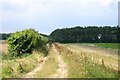
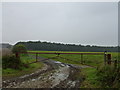

Area Information
Launditch Ward represents a distinct district within England, covering a significant land area of 74.7 km². Living in Launditch Ward offers a settled environment defined by its substantial physical size and established residential character. This area does not prioritize growth over stability, reflecting a community deeply rooted in its existing boundaries. The ward functions as a self-contained locality where daily life revolves around local convenience rather than proximity to major urban centres. You will find a neighbourhood where space is spread out across nearly 75 square kilometres, allowing for a slower pace of existence compared to denser boroughs. The sense of place here is not manufactured but evolved over many years, creating a distinct identity separate from neighbouring districts. Prospective homebuyers should appreciate that this is a genuine residential zone rather than a transit hub or commercial strip. The sheer scale of the ward ensures that every part of the territory has a specific local character, from the edges of the administrative boundary to the central settlement points. When you consider moving to Launditch Ward, you are choosing a location where the landscape and community structures are already mature. There are no new developments pushing the boundaries outward, which maintains the integrity of the original residential planning. This static nature appeals to those who value predictability in their living environment. The area's identity is clear and unambiguous, avoiding the confusion of shifting urban edges. You move to a place where the contours of the neighbourhood are fixed and understood by permanent residents. The 74.7 km² footprint ensures that distance is a factor to consider for travel, yet feet are firmly planted on solid ground within a recognised administrative ward. The community profile within Launditch Ward presents a snapshot of an older, settled population. Data for the most common age range categorises the total population, indicating a broad spread across different life stages rather than a single-dominant demographic. However, the median age stands at exactly 70 years, which is a critical detail for anyone evaluating social cohesion or service provision in the ward. This high median figure suggests that a significant proportion of households consist of retirees or older adults who have lived in the area for lengthy periods. Such an age structure typically correlates with lower transient populations and stronger local allegiance among residents. Home ownership figures further illuminate this stability, with 66 per cent of dwellings held by their occupants. This level of equity penetration demonstrates that the majority of families have established roots here rather than renting temporarily. Household composition data confirms that the total makeup of families aligns with this older demographic profile, meaning large multi-generational homes or young starter households may be less prevalent. The ward lacks significant pockets of deprivation, which supports the view of a comfortable, established living standard. Diversity metrics reflect the total ethnic makeup of the area, and religious affiliations are recorded across the total population without specific denominational breakdowns. You find a community where the residents are likely to know their neighbours well, given the long tenure and high ownership rates. The demographic landscape tells a story of continuity rather than rapid change. When you live in Launditch Ward, you join a neighbourhood where the demographic weight is firmly on the understanding of long-term, settled living. The 70-year median age is not just a statistic; it is the heartbeat of the community's daily rhythm. The housing market in Launditch Ward is characterised by a strong preference for ownership. With 66 per cent of homes owned outright or via mortgage, the borough unitary ward operates as a distinctly non-rental dominated area. This high ownership level implies that most properties available for purchase are likely to be owner-occupier stock, fostering a market driven by local settlement rather than short-term tenancy. The accommodation type data, recorded across the total ward, reinforces the idea that housing stock is designed for permanent residence rather than transient living. You will find it difficult to locate purpose-built rental schemes or high-density student accommodation within these borders. The housing fabric supports traditional family life and retirement living, consistent with the age profile of the residents. Buyers looking at Launditch Ward should expect to engage with a seller market where transactions reflect deep local knowledge. The proportion of owned homes means that estate sales and inter-generational handovers are common mechanisms for property movement. Tenants are a smaller minority of the total housing population, concentrating the energy of the local property market on sales rather than the rental yield cycle. This structure offers stability for investors seeking long-term growth through appreciation rather than high turnover rental income. Landlords operating here must negotiate within a context where owner-occupiers dominate the landscape. For homebuyers, this environment reduces competition from corporate tenant acquisitions but increases the importance of due diligence on individual properties. The ward's housing stock represents a legacy of long-term living, where the 66 per cent ownership figure is the defining economic characteristic. When you buy a home in Launditch Ward, you are purchasing a stake in a community built on permanency. Digital connectivity within Launditch Ward presents a notable constraint for residents reliant on high-speed remote work. The fixed broadband quality score registers at 34 out of 100, a figure that denotes poor connectivity standards across the ward. This score indicates that download and upload speeds may struggle to meet modern demands for video conferencing or large file transfers. Most residents living in Launditch Ward will find that their daily internet usage faces significant limitations compared to more connected urban districts. You cannot assume that fibre optics are readily installed or fully operational throughout the 74.7 km² area. For those working from home, this technical deficit is a serious consideration that requires mitigation strategies such as satellite dishes or mobile hotspots. The wide geographic spread of the ward further complicates the deployment of consistent high-bandwidth infrastructure, leaving many households on slower connections. Mobile data coverage provides a secondary avenue for connectivity, but residents must be prepared for potential latency issues during peak usage times. If your job depends on seamless cloud access, you must verify the specific coverage map for your intended property before committing to a purchase in Launditch Ward. The reality is that the digital experience here is often secondary to the physical environment. While safety and neighbourhood charm are strong, the inability to access robust broadband limits the suitability of the area for tech-heavy professions. You plan your daily workflow around the 34-point broadband score and make allowances for occasional technical difficulties. The ward remains a viable location for retiring professionals or those with fixed, low-bandwidth duties, but it challenges the needs of digital nomads or senior executives. Connectivity is the one area where living in Launditch Ward presents a clear trade-off against its other attributes. Safety and environmental factors in Launditch Ward generally point to a stable living environment with few major planning constraints. The crime risk assessment scores 88 out of 100, indicating a low crime rate and a safer neighbourhood profile. This statistic reassures residents that the area has below-average crime levels compared to the national average. You can expect a quiet existence where property crime and public order incidents remain minimal concerns for the community. Flood risk is also contained within manageable levels, with a safety score of 2.1 demonstrating low flood risk coverage across the ward. This means that homes in Launditch Ward are largely situated away from high-risk watercourses or floodplains, protecting your investment from devastating water damage. Planning constraints regarding nature reserves are equally favourable, with zero coverage for Ramsar wetland sites, Areas of Outstanding Natural Beauty, and protected nature reserves. These designations are absent from the ward's boundaries, meaning that major conservation restrictions do not hinder potential development or garden modifications. However, a warning flag appears regarding protected woodland, which scores 0.15 on the risk scale. This low score indicates the area contains protected woodland, a fact you must note if you are purchasing a property with views over or access to such green spaces. The presence of protected woodland introduces specific limitations on land use and furniture placement within the immediate vicinity of these trees. While this constraint exists, it does not detract from the overall safety score of the ward. The combination of low crime, minimal flood risk, and lack of restrictive nature designations creates an environment where residents can feel secure in their daily lives. When you evaluate Launditch Ward for safety, the evidence supports a conclusion of a peaceful, low-risk location. What is the community like in Launditch Ward?The community is defined by an older demographic with a median age of 70 and a strong sense of stability. Sixty-six per cent of homes are owner-occupied, indicating that residents tend to live in the area for the long term rather than moving frequently. This structure fosters a neighbourhood where people know their neighbours well. How does digital connectivity affect life here?Fixed broadband quality is poor within Launditch Ward, with a low score of 34 out of 100. Residents relying on high-speed internet for work or entertainment will face significant limitations. The wide 74.7 km² area makes it difficult for consistent fibre coverage to reach every household equally. Is the area safe for residents?Safety is a key strength of Launditch Ward. The crime risk score is 88/100, reflecting below-average crime rates and a safer neighbourhood. Additionally, flood risk is low at a score of 2.1, ensuring that homes are generally protected from water threats. The main environmental caveat is the presence of protected woodland, which scores 0.15. Who typically lives in Launditch Ward?The population is predominantly elderly, with a median age of 70. This suggests the ward serves a market of retirees and established families rather than young professionals or students. The high home ownership rate of 66 per cent confirms that the area is built for permanent settlement and equity building.
- Area Type
- District Borough Unitary Ward
- Area Size
- 74.7 km²
- Population
- Not available
- Population Density
- Not available
Demographics
The community profile within Launditch Ward presents a snapshot of an older, settled population. Data for the most common age range categorises the total population, indicating a broad spread across different life stages rather than a single-dominant demographic. However, the median age stands at exactly 70 years, which is a critical detail for anyone evaluating social cohesion or service provision in the ward. This high median figure suggests that a significant proportion of households consist of retirees or older adults who have lived in the area for lengthy periods. Such an age structure typically correlates with lower transient populations and stronger local allegiance among residents. Home ownership figures further illuminate this stability, with 66 per cent of dwellings held by their occupants. This level of equity penetration demonstrates that the majority of families have established roots here rather than renting temporarily. Household composition data confirms that the total makeup of families aligns with this older demographic profile, meaning large multi-generational homes or young starter households may be less prevalent. The ward lacks significant pockets of deprivation, which supports the view of a comfortable, established living standard. Diversity metrics reflect the total ethnic makeup of the area, and religious affiliations are recorded across the total population without specific denominational breakdowns. You find a community where the residents are likely to know their neighbours well, given the long tenure and high ownership rates. The demographic landscape tells a story of continuity rather than rapid change. When you live in Launditch Ward, you join a neighbourhood where the demographic weight is firmly on the understanding of long-term, settled living. The 70-year median age is not just a statistic; it is the heartbeat of the community's daily rhythm. The housing market in Launditch Ward is characterised by a strong preference for ownership. With 66 per cent of homes owned outright or via mortgage, the borough unitary ward operates as a distinctly non-rental dominated area. This high ownership level implies that most properties available for purchase are likely to be owner-occupier stock, fostering a market driven by local settlement rather than short-term tenancy. The accommodation type data, recorded across the total ward, reinforces the idea that housing stock is designed for permanent residence rather than transient living. You will find it difficult to locate purpose-built rental schemes or high-density student accommodation within these borders. The housing fabric supports traditional family life and retirement living, consistent with the age profile of the residents. Buyers looking at Launditch Ward should expect to engage with a seller market where transactions reflect deep local knowledge. The proportion of owned homes means that estate sales and inter-generational handovers are common mechanisms for property movement. Tenants are a smaller minority of the total housing population, concentrating the energy of the local property market on sales rather than the rental yield cycle. This structure offers stability for investors seeking long-term growth through appreciation rather than high turnover rental income. Landlords operating here must negotiate within a context where owner-occupiers dominate the landscape. For homebuyers, this environment reduces competition from corporate tenant acquisitions but increases the importance of due diligence on individual properties. The ward's housing stock represents a legacy of long-term living, where the 66 per cent ownership figure is the defining economic characteristic. When you buy a home in Launditch Ward, you are purchasing a stake in a community built on permanency. Digital connectivity within Launditch Ward presents a notable constraint for residents reliant on high-speed remote work. The fixed broadband quality score registers at 34 out of 100, a figure that denotes poor connectivity standards across the ward. This score indicates that download and upload speeds may struggle to meet modern demands for video conferencing or large file transfers. Most residents living in Launditch Ward will find that their daily internet usage faces significant limitations compared to more connected urban districts. You cannot assume that fibre optics are readily installed or fully operational throughout the 74.7 km² area. For those working from home, this technical deficit is a serious consideration that requires mitigation strategies such as satellite dishes or mobile hotspots. The wide geographic spread of the ward further complicates the deployment of consistent high-bandwidth infrastructure, leaving many households on slower connections. Mobile data coverage provides a secondary avenue for connectivity, but residents must be prepared for potential latency issues during peak usage times. If your job depends on seamless cloud access, you must verify the specific coverage map for your intended property before committing to a purchase in Launditch Ward. The reality is that the digital experience here is often secondary to the physical environment. While safety and neighbourhood charm are strong, the inability to access robust broadband limits the suitability of the area for tech-heavy professions. You plan your daily workflow around the 34-point broadband score and make allowances for occasional technical difficulties. The ward remains a viable location for retiring professionals or those with fixed, low-bandwidth duties, but it challenges the needs of digital nomads or senior executives. Connectivity is the one area where living in Launditch Ward presents a clear trade-off against its other attributes. Safety and environmental factors in Launditch Ward generally point to a stable living environment with few major planning constraints. The crime risk assessment scores 88 out of 100, indicating a low crime rate and a safer neighbourhood profile. This statistic reassures residents that the area has below-average crime levels compared to the national average. You can expect a quiet existence where property crime and public order incidents remain minimal concerns for the community. Flood risk is also contained within manageable levels, with a safety score of 2.1 demonstrating low flood risk coverage across the ward. This means that homes in Launditch Ward are largely situated away from high-risk watercourses or floodplains, protecting your investment from devastating water damage. Planning constraints regarding nature reserves are equally favourable, with zero coverage for Ramsar wetland sites, Areas of Outstanding Natural Beauty, and protected nature reserves. These designations are absent from the ward's boundaries, meaning that major conservation restrictions do not hinder potential development or garden modifications. However, a warning flag appears regarding protected woodland, which scores 0.15 on the risk scale. This low score indicates the area contains protected woodland, a fact you must note if you are purchasing a property with views over or access to such green spaces. The presence of protected woodland introduces specific limitations on land use and furniture placement within the immediate vicinity of these trees. While this constraint exists, it does not detract from the overall safety score of the ward. The combination of low crime, minimal flood risk, and lack of restrictive nature designations creates an environment where residents can feel secure in their daily lives. When you evaluate Launditch Ward for safety, the evidence supports a conclusion of a peaceful, low-risk location. What is the community like in Launditch Ward?The community is defined by an older demographic with a median age of 70 and a strong sense of stability. Sixty-six per cent of homes are owner-occupied, indicating that residents tend to live in the area for the long term rather than moving frequently. This structure fosters a neighbourhood where people know their neighbours well. How does digital connectivity affect life here?Fixed broadband quality is poor within Launditch Ward, with a low score of 34 out of 100. Residents relying on high-speed internet for work or entertainment will face significant limitations. The wide 74.7 km² area makes it difficult for consistent fibre coverage to reach every household equally. Is the area safe for residents?Safety is a key strength of Launditch Ward. The crime risk score is 88/100, reflecting below-average crime rates and a safer neighbourhood. Additionally, flood risk is low at a score of 2.1, ensuring that homes are generally protected from water threats. The main environmental caveat is the presence of protected woodland, which scores 0.15. Who typically lives in Launditch Ward?The population is predominantly elderly, with a median age of 70. This suggests the ward serves a market of retirees and established families rather than young professionals or students. The high home ownership rate of 66 per cent confirms that the area is built for permanent settlement and equity building.
Household Size
Accommodation Type
Tenure
Ethnic Group
Religion
Household Composition
Age
Household Deprivation
NS-SEC
Explore more demographic insights in this area
Go to Demographics tabPlanning
Planning Constraints
- Flood RiskPremium
- Ramsar Wetland SitesPremium
- Area of Outstanding Natural BeautyPremium
- Protected Nature ReservePremium
- Protected WoodlandPremium
- Crime RiskPremium