Area Overview for Kirby Cane
Photos of Kirby Cane
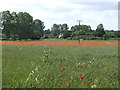
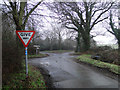
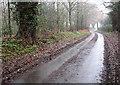
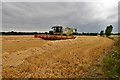
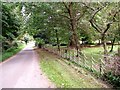
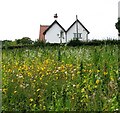
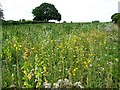
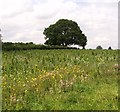
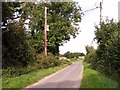
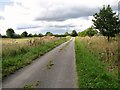
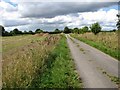
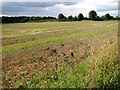
Area Information
Kirby Cane is a compact civil parish in England, covering a small land area of 6.1 square kilometres. This modest size suggests a close-knit environment where residents likely know one another. Living in Kirby Cane means experiencing a setting that avoids the sprawl of larger towns, focusing instead on a concentrated, rural lifestyle. The area is defined by its specific character rather than a mix of diverse land uses typical of bigger settlements. You will find yourself in a place where boundaries are clear and the local community is tightly woven together. The physical footprint of the parish indicates a slow pace of life, bounded by natural features that define the perimeter. This distinctiveness makes Crowley a unique location for those seeking a simpler existence away from urban noise. Your daily routine will unfold within this clearly defined hamlet, offering a clear sense of place. The small scale means that local infrastructure is designed for a limited number of people, ensuring that services are tailored to everyday needs. There is no ambiguity about the nature of this settlement; it is a traditional parish with a consistent identity. When you consider homes in Kirby Cane, you are entering a space that has remained largely unchanged. This stability provides a reliable backdrop for your life, free from the constant shifts found elsewhere. The area stands out precisely because it is so singular in its composition and scope.
- Area Type
- Parish
- Area Size
- 6.1 km²
- Population
- Not available
- Population Density
- Not available
Demographics
The community within Kirby Cane is dominated by older residents, with a median age of 70 years. This age profile indicates a retirement belt where families have grown empty and professional households have left the area. You are moving into a neighbourhood where the average person is well past the typical retirement age. The household composition reflects this demographic shift, as most homes are occupied by singles or older couples. Home ownership is exceptionally high at 76%, meaning the majority of residents have purchased their dwellings or inherited them. This high level of equity suggests low mobility and long-term settlement in Kirby Cane. There is little evidence of short-term renting or transient populations within the village limits. The accommodation types used to house these residents are consistent with the needs of an elderly population, likely featuring one-storey living and accessible layouts. Your neighbours may be friends who have lived in the same roads for decades. The predominant ethnic group and religious makeup are standard for a rural English parish, reflecting no significant recent migration. Deprivation levels are not highlighted in the current data, but the high ownership rate implies financial stability among the settled population. You can expect a quiet society where change happens slowly. The total resident numbers are implied by the small area size, creating an intimate social structure.
Household Size
Accommodation Type
Tenure
Ethnic Group
Religion
Household Composition
Age
Household Deprivation
NS-SEC
Explore more demographic insights in this area
Go to Demographics tabPlanning
Planning Constraints
- Flood RiskLocked
- Ramsar Wetland SitesLocked
- Area of Outstanding Natural BeautyLocked
- Protected Nature ReserveLocked
- Protected WoodlandLocked
- Crime RiskLocked