Area Overview for IP1 3AW
Photos of IP1 3AW



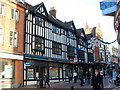
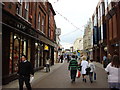
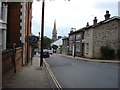
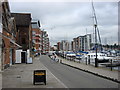


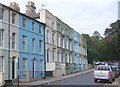
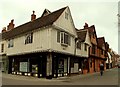

Area Information
IP1 3AW is a small, tightly knit residential postcode area in England, home to around 1,405 people. Its compact size means it is more of a cluster of properties than a sprawling suburb, with a quiet, localised feel. The area is characterised by its flat-based housing stock, which reflects a focus on rental properties rather than owner-occupied homes. Residents here are predominantly adults aged 30 to 64, with a median age of 47, suggesting a mature, settled community. Living in IP1 3AW offers proximity to key infrastructure, including multiple retail outlets and rail connections. The area’s small footprint means it is likely nestled within a larger town or city, though its specific geographical context is not detailed. Daily life here is shaped by its limited size and the availability of nearby amenities, such as major supermarkets and train stations. While the area is not large, its accessibility to transport networks and retail hubs may make it appealing for those prioritising convenience over expansive living spaces.
- Area Type
- Postcode
- Area Size
- Not available
- Population
- 1405
- Population Density
- 3604 people/km²
The property market in IP1 3AW is defined by its low home ownership rate of 17%, which suggests that the area is not a traditional owner-occupied market. Instead, it is likely dominated by rental properties, with flats being the primary accommodation type. This configuration may indicate a focus on purpose-built housing or converted units, catering to tenants rather than buyers. The small population and limited area size mean that the housing stock is constrained, which could make the market competitive for those seeking to purchase. Buyers considering IP1 3AW should note that the area is not suited for those prioritising property investment, as the market is not driven by owner-occupation. The prevalence of flats may also mean that properties are smaller in size, which could be a consideration for those requiring more space. For those interested in the area, proximity to amenities like retail and rail links may outweigh the limitations of the property market.
House Prices in IP1 3AW
No properties found in this postcode.
Energy Efficiency in IP1 3AW
Living in IP1 3AW offers access to a range of essential amenities within close proximity. The area is served by five retail outlets, including major supermarkets such as Tesco Ipswich, Sainsburys Ipswich, and Morrisons Daily. These stores provide convenient access to groceries, household goods, and other necessities, reducing the need for long journeys. For transport, residents have five rail stations nearby, including Ipswich Railway Station, which connects them to broader regional networks. This accessibility to rail links enhances the area’s appeal for commuters and those seeking to travel. While the data does not specify parks or leisure facilities, the presence of retail and rail infrastructure suggests a functional, practical lifestyle. The small size of the area may mean that residents rely heavily on these nearby amenities for daily needs, creating a self-contained but limited environment. The combination of retail and transport options supports a convenient, if compact, way of life.
Amenities
Schools
| Rank | School | Type | Entry gender | Ages |
|---|
Explore more schools in this area
Go to Schools tabDemographics
The community in IP1 3AW is predominantly composed of adults aged 30 to 64, with a median age of 47. This suggests a population that is largely in their prime working years, potentially contributing to a stable local economy. Home ownership is low, with only 17% of residents owning their homes, indicating that the area is more rental-focused. The accommodation type is largely flats, which aligns with the lower home ownership rate and may reflect a mix of purpose-built housing and converted properties. The predominant ethnic group is White, though no further breakdown of diversity is provided. The age profile and ownership statistics suggest a community that may be more transient, with renters moving in and out. For prospective buyers, this could mean limited opportunities for long-term investment in property, as the market is not driven by owner-occupation. The data does not indicate significant deprivation metrics, but the low home ownership rate may point to a reliance on rental income or other financial structures.
Household Size
Accommodation Type
Tenure
Ethnic Group
Religion
Household Composition
Age
Household Deprivation
NS-SEC
Explore more demographic insights in this area
Go to Demographics tabPlanning
Planning Constraints
- Flood RiskPremium
- Ramsar Wetland SitesPremium
- Area of Outstanding Natural BeautyPremium
- Protected Nature ReservePremium
- Protected WoodlandPremium