Area Overview for IP1 1EQ
Photos of IP1 1EQ
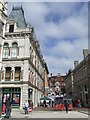
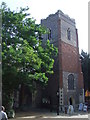
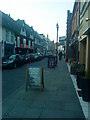
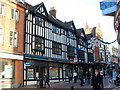
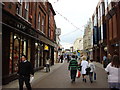
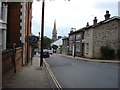
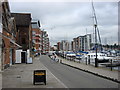
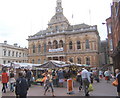
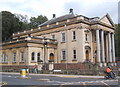
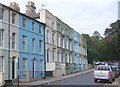
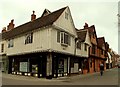

Area Information
IP1 1EQ is a small, tightly knit residential area in England, home to just 1405 people. Its compact size means it’s a quiet, low-density neighbourhood, ideal for those seeking a peaceful yet accessible lifestyle. The area is characterised by its cluster of flats, which dominate the housing stock, suggesting a mix of long-term residents and renters. With a median age of 47, the community is largely composed of adults in their 30s to 60s, many of whom may be settled in their careers or nearing retirement. Daily life here is shaped by proximity to key amenities: within practical reach are retail outlets like M&S Ipswich and Morrisons Daily, as well as rail connections to Ipswich Railway Station. While the area lacks major landmarks or sprawling parks, its simplicity and functional layout cater to those prioritising convenience over grandeur. The postcode’s small footprint means it’s easy to navigate, with no sprawling suburbs or complex road networks. However, the high crime risk—above average for the region—requires residents to remain vigilant, particularly in shared spaces. For buyers, IP1 1EQ offers a straightforward, no-frills option, though its appeal hinges on whether the trade-offs align with personal priorities.
- Area Type
- Postcode
- Area Size
- Not available
- Population
- 1405
- Population Density
- 3604 people/km²
The property market in IP1 1EQ is defined by its limited scale and high proportion of rental properties. With only 17% of homes owned by residents, the area is not a traditional owner-occupied market but one where flats are likely the primary housing type. This suggests a reliance on landlords or housing associations, which could influence the availability of long-term leases or the potential for investment. The small population and compact layout mean the housing stock is unlikely to expand significantly, making the area more suitable for buyers seeking a secondary residence or rental property rather than a primary home. The dominance of flats also implies a focus on efficiency and affordability, which may appeal to those prioritising cost over space. However, the lack of data on property prices or recent transactions means it’s difficult to assess whether this is a growing or stagnant market. For buyers, the challenge lies in balancing the area’s simplicity with its limitations, particularly the high crime risk, which could affect both property value and desirability.
House Prices in IP1 1EQ
No properties found in this postcode.
Energy Efficiency in IP1 1EQ
Living in IP1 1EQ means having access to essential retail and transport hubs within close proximity. The area’s retail options include M&S Ipswich, Morrisons Daily, and Iceland Ipswich, providing a range of shopping and grocery needs without requiring a long journey. These stores cater to everyday requirements, from fresh produce to household goods, ensuring residents can manage their errands efficiently. The rail network is a key feature, with Ipswich Railway Station and other nearby points offering connections to larger cities and towns, which is particularly useful for those working outside the area. While the postcode lacks expansive parks or leisure facilities, the presence of retail and rail infrastructure contributes to a functional, low-maintenance lifestyle. The compact nature of the area also means that residents can easily access these amenities without the need for a car, though the absence of larger recreational spaces may be a drawback for those seeking more extensive leisure options.
Amenities
Schools
| Rank | School | Type | Entry gender | Ages |
|---|
Explore more schools in this area
Go to Schools tabDemographics
The population of IP1 1EQ is 1405, with a median age of 47, indicating a mature community. The most common age range is 30–64 years, suggesting a stable demographic with many residents in their prime working years or approaching retirement. Home ownership here is notably low at 17%, meaning the majority of residents are likely renters. The accommodation type is predominantly flats, which aligns with the area’s compact nature and the prevalence of multi-unit housing. The predominant ethnic group is White, though no specific data on diversity or minority representation is provided. The low home ownership rate may reflect a rental market dominated by private landlords or social housing, which could impact the sense of community and long-term investment potential. With no figures on deprivation or income levels, it’s unclear how economic pressures might affect quality of life, but the age profile and housing type suggest a population focused on stability rather than rapid growth or change.
Household Size
Accommodation Type
Tenure
Ethnic Group
Religion
Household Composition
Age
Household Deprivation
NS-SEC
Explore more demographic insights in this area
Go to Demographics tabPlanning
Planning Constraints
- Flood RiskPremium
- Ramsar Wetland SitesPremium
- Area of Outstanding Natural BeautyPremium
- Protected Nature ReservePremium
- Protected WoodlandPremium
- Crime RiskPremium