Area Overview for Horstead
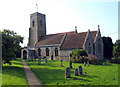
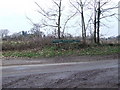
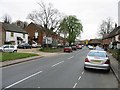
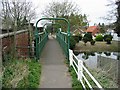
Photos of Horstead
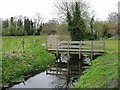
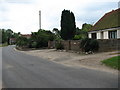
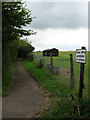
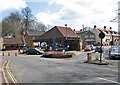
Area Information
Life in Horstead is defined by its quiet rural character and established community feel. This built-up area covers 41.9 hectares and sits within a setting that values stability over rapid expansion. As a traditional settlement, the environment suits those seeking a slower pace of daily living rather than urban vibrancy. The local population reflects this tranquil nature, with a median age of 70 indicating a mature demographic. Existing residents have clearly chosen to remain in their homes for decades, suggesting a deep-rooted attachment to the locality. You will find a neighbourhood where the rhythm of life is dictated by the seasons and the immediate surroundings rather than commuter pressures. Slowing down here means embracing a lifestyle where proximity to open space and established rural infrastructure takes precedence over high-speed connectivity or dense shopping streets. The area offers a respite from city noise while maintaining practical access to essential services within a reasonable driving distance. For someone looking to settle in a place where the older generation still leads the community dynamic, Horstead presents a straightforward proposition. It is a location where values have remained consistent over time, and the built environment has not seen the disruptive changes found in faster-growing towns. Living in Horstead means accepting a defined, non-growing footprint in exchange for a stable and predictable environment.
- Area Type
- Built Up Area 250
- Area Size
- 41.9 hectares
- Population
- Not available
- Population Density
- Not available
Living in Horstead offers convenient access to essential retail and transport hubs despite its rural location. Three railway stations serve the area, including Hoveton & Wroxham, Salhouse, and Worstead, providing regional rail connections. Two metro options exist at Wroxham and Aylsham, offering further connectivity for those needing urban access. For daily shopping needs, five retail outlets fall within practical reach, including the East of England Co-operative Co, Morrisons Daily, and Morrisons Old. These supermarkets supply the weekly necessities without requiring long trips to larger town centres. Norwich International Airport sits nearby, ensuring easy air travel links for visitors or those needing frequent flights. The combination of rail and road transport means you do not need to live within the town limits to access major airports or city centres. Dining and leisure choices centre around these commercial outlets, providing straightforward options for daily consumption. While the area lacks the density of a full commercial high street, the named chains ensure reliability and familiarity for residents. The lifestyle here centres on provisioning and travel logistics rather than evening entertainment or nightlife scenes. You spend your leisure time enjoying the immediate countryside or visiting the nearby amenities that support the older demographic. The presence of these specific venues ensures that basic comforts are never far away, even if the variety remains modest.
Amenities
Schools
| Rank | School | Type | Entry gender | Ages |
|---|
Explore more schools in this area
Go to Schools tabDemographics
The community in Horstead is overwhelmingly mature, with a median age of 70 clearly marking it as an area for retirees and older adults. Home ownership stands at an impressive 70% level, confirming that most families own their property outright rather than renting. This statistic signals a generation that has settled down permanently, looking for comfort and permanence rather than mobility. The high ownership rate suggests a neighbourhood where people stay long-term, building deep local connections over many years. There is little evidence of transient populations or short-term rentals dominating the streetscape. Instead, the street layout and household composition reflect a settled population that values stability. The age profile drives the social atmosphere, fostering a culture of quiet community engagement rather than youthful revelry. When you consider living in Horstead, you join a society where the majority of neighbours are likely to be peers or lifelong residents. The demographic makeup creates a cohesive environment where decision-making on local issues prioritises the needs of older adults. This stability translates into reliable neighbourhood watch dynamics and consistent support networks for those requiring assistance with daily tasks. The area does not cater to young families or student populations, creating a very specific social circle oriented towards retirement living and established lifestyles.
Household Size
Accommodation Type
Tenure
Ethnic Group
Religion
Household Composition
Age
Household Deprivation
NS-SEC
Explore more demographic insights in this area
Go to Demographics tabPlanning
Planning Constraints
- Crime RiskPremium