Area Overview for Horham
Photos of Horham
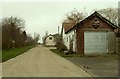
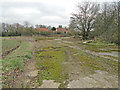

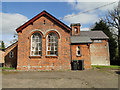
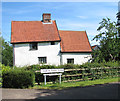

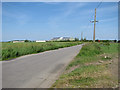
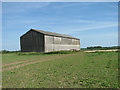
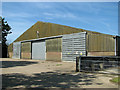
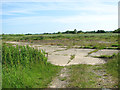
Area Information
Horham presents a compact, established residential enclave within Norfolk, covering a total area of 22.1 hectares. You will find a built-up zone that feels intimate without feeling isolated, serving as a quiet retreat for those seeking a slower pace of life. The community is defined by its elderly population, with a median age of 70, creating a distinct atmosphere where neighbours often know one another over many years. This demographic profile suggests a village-like setting rather than a bustling town centre, appealing to retirees and those prioritising tranquillity. The area's size means daily walks can easily cover significant ground, integrating residential streets with nearby green spaces seamlessly. Living in Horham offers a sense of rootedness, where the walls of houses have stood for decades and the street patterns remain largely unchanged. You are entering a neighbourhood where the primary focus is on domestic life rather than commercial hubbub. The housing stock reflects this long-term residency, with most properties tailored to the needs of older homeowners. While the village lacks major high streets or large retail parks, its self-contained nature provides a stable environment. Potential buyers should anticipate a community driven by local traditions, friendly neighbours, and a strong connection to the surrounding landscape. Homes in Horham cater specifically to this older demographic, often featuring single-level living or adaptations for mobility.
- Area Type
- Built Up Area 250
- Area Size
- 22.1 hectares
- Population
- Not available
- Population Density
- Not available
Your daily life in Horham will revolve around the practical amenities located just a short distance from your front door. Within easy walking distance, you can access five key retail outlets, ensuring that all essential shopping needs are met without requiring a car journey. Specific venues include the Spar, Co-op Eye, and East of England Co-operative Co, providing you with reliable sources for groceries, household essentials, and general provisions. These stores form the backbone of the local economy, supporting a community that can manage most errands independently. While there are no detailed stats on restaurants or leisure centres, the presence of these co-operative and supermarket outlets suggests a town where citizens shop locally and frequently. The layout of Horham encourages a walkable lifestyle, where good physical connection to these shops substitutes for complex public transport networks. You will find that visiting the Spar or the Co-op is a routine part of your week. The simplicity of accessing these familiar brands ensures that daily life remains convenient despite the area's small geographic size. Living in this environment means that your primary focus is on domestic life, with the surrounding village shops providing all necessary comforts.
Amenities
Schools
| Rank | School | Type | Entry gender | Ages |
|---|
Explore more schools in this area
Go to Schools tabDemographics
The social fabric of Horham is strongly influenced by its age structure, where the median age sits at 70. This high figure indicates that the majority of residents are either retired or approaching retirement age. Such a profile shapes local commerce, social activities, and the general pace of daily life. Home ownership stands at 79%, a figure that significantly exceeds the national average and confirms that most houses in Horham are owner-occupied rather than rented properties. This stability contributes to the area's generally non-transient feel. You are unlikely to encounter a high turnover of tenants because the community is built around families and individuals who choose to stay long-term. Although specific ethnic and religious breakdowns are not detailed in current records, the homogeneity suggested by the demographic age profile implies a relatively uniform community character. The household composition leans heavily towards older occupants, which means few young families or bustling multi-generational homes define the streets. This absence of a younger family demographic explains why local amenities cater primarily to older adults. Living here means joining a group of people who have likely been residents for decades. The area does not experience the typical churn of student towns or commuter villages, allowing for deep local knowledge and strong neighbourly bonds.