Area Overview for Hockliffe
Photos of Hockliffe
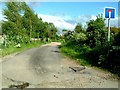
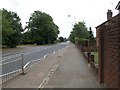
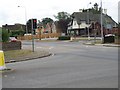
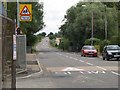
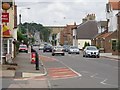
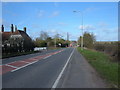
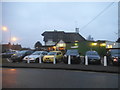
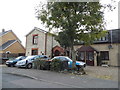
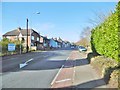
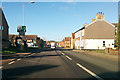
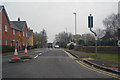
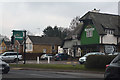
Area Information
Living in Hockliffe means inhabiting a compact built-up area in England, spanning 30.7 hectares. This town or city is defined by its older demographic, with a median age of 70, suggesting a community shaped by long-term residents. The area’s 73% home ownership rate indicates a stable, owner-occupied environment, contrasting with rental-heavy regions. Daily life here is likely characterised by a quiet, established rhythm, with amenities and services clustered within practical reach. While Hockliffe’s size is modest, its infrastructure includes retail outlets and rail connections, offering both convenience and accessibility. For those seeking a place with a low crime risk and a distinct, older population profile, Hockliffe presents a specific kind of appeal. Its proximity to nearby towns and the presence of schools and transport options make it a viable choice for those prioritising safety and practicality over rapid urban development. Understanding the area’s unique blend of age demographics and ownership patterns is key to assessing whether Hockliffe aligns with your housing needs.
- Area Type
- Built Up Area 250
- Area Size
- 30.7 hectares
- Population
- Not available
- Population Density
- Not available
The lifestyle in Hockliffe is supported by a range of nearby amenities, including five retail outlets such as Tesco Houghton, Tesco Appenine, and Co-op Leighton. These shops provide essential services and shopping convenience for residents. The area’s rail stations—Leighton Buzzard, Harlington, and Leagrave—offer easy access to public transport, enabling travel to nearby destinations for work, leisure, or socialising. While the data does not mention parks or leisure facilities, the presence of retail and rail options suggests a practical, community-focused environment. The mix of local shops and transport links likely contributes to a self-contained lifestyle, where daily needs can be met without long commutes. However, the absence of specific details on green spaces or recreational areas means that the full extent of lifestyle amenities remains partially unexplored.
Amenities
Schools
Hockliffe Lower School is the primary educational institution in the area, serving as both a primary school and an academy. This dual designation suggests a mix of state and academy-led provision, which may offer families a choice between traditional state education and the potentially more autonomous structure of an academy. The presence of a single named school indicates that local families have access to a dedicated educational facility, though no Ofsted ratings or performance data are provided. The school’s role as both primary and academy may influence its curriculum and governance, but without further details, it is difficult to assess its specific strengths or challenges. For families prioritising proximity to schools, Hockliffe’s educational options are limited to this single institution, which may be a critical factor in deciding whether to move to the area.
| Rank | School | Type | Entry gender | Ages |
|---|
Explore more schools in this area
Go to Schools tabDemographics
Hockliffe’s population is predominantly aged 70, with the most common age range encompassing all age groups. This suggests a community where older residents form a significant proportion, potentially influencing local services and social dynamics. The area’s 73% home ownership rate indicates that most residents are long-term homeowners, which may contribute to a sense of stability. However, the data does not specify household composition or accommodation types, so it is unclear whether the area includes a mix of family homes, single-person residences, or other configurations. Similarly, no details are provided on ethnic diversity or religious composition, meaning these factors cannot be assessed. The lack of specific data on deprivation or socioeconomic status means that broader implications for quality of life remain unexplored. What is clear is that Hockliffe’s demographic profile is shaped by its older population and the prevalence of owner-occupied housing.
Household Size
Accommodation Type
Tenure
Ethnic Group
Religion
Household Composition
Age
Household Deprivation
NS-SEC
Explore more demographic insights in this area
Go to Demographics tabPlanning
Planning Constraints
- Crime RiskPremium