Area Overview for Hingham & Deopham Ward
Photos of Hingham & Deopham Ward
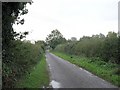
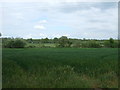
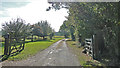
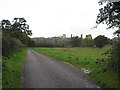
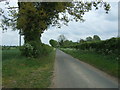
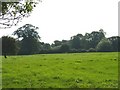
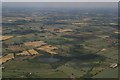
Area Information
Hingham & Deopham Ward represents a compact and tightly knit district within Norfolk, covering an area of 24.8 square kilometres. You will find a population of just 1,464 residents living within this boundary, which translates to a density of 1,305 people per square kilometre. This high density relative to the ward's size suggests a settled community rather than a sprawling rural expanse. The median age of 70 years indicates that this is predominantly a retirement location where many families have moved away or children have left home. Living in Hingham & Deopham Ward means accepting a quiet environment characterised by older residents and established housing. The area functions as a distinct borough unitary ward, separate from larger neighbouring towns like Dereham or Great Yarmouth. You can expect a neighbourhood focused on leisure and mature living rather than rapid development. The physical footprint is small enough that amenities feel concentrated, yet the population is sparse enough to avoid urban congestion. ### The social structure of Hingham & Deopham Ward is defined by a distinctly older demographic profile. With a median age of 70, the community skews heavily towards the elderly. This age distribution directly influences the local economy and service usage compared to younger wards elsewhere in the county. Home ownership stands at 75% of all households, reflecting a high level of stability and long-term residency. Millennial families are statistically rare in this specific administrative boundary, as the population data confirms the dominance of the total age bracket centred on retirement. Accommodation types reflect this demographic reality, with older property stock predominating over modern builds. You will not find significant recent immigration or ethnic diversity reflected in the available census figures for this ward; the population remains largely homogenous. The 75% ownership rate means rentals are a secondary housing option rather than the primary market driver. When evaluating living in Hingham & Deopham Ward, you are buying into a retiree-heavy community with low population churn. ### The housing market in Hingham & Deopham Ward is overwhelmingly characterised by owner-occupiers rather than landlords. With home ownership sitting at 75%, this area is not a hub for buy-to-let investors or student rentals. Instead, the housing stock consists largely of homes purchased for long-term family residence or retirement settlement. This high ownership figure typically implies stable neighbourhoods where residents plan to stay for decades. You will encounter a significant volume of older properties consistent with the median age of 70 in the area. The composition of accommodation types aligns with the total household data, suggesting traditional building styles common in Norfolk villages and small towns. Buyers looking at Hingham & Deopham Ward should expect a market where sellers are usually private individuals rather than agencies managing portfolios. The lack of rental pressure often means house prices hold value differently than in high-demand commuter belts. If you are considering purchasing homes in Hingham & Deopham Ward, treat it as a retirement bolthole or a quiet downsizing destination. ### Digital connectivity in Hingham & Deopham Ward presents a notable constraint for remote workers and heavy internet users. The fixed broadband quality score of 38 out of 100 falls into the poor range compared to national and regional averages. You may experience frequent buffering, limited throughput, or instability during peak usage times. This connectivity level makes high-definition video conferencing or large file uploads difficult for residents relying on home offices. Mobile data speeds likely correlate with this fixed infrastructure, potentially impacting navigation apps or entertainment streaming on the go. For daily travel, physical transport options are minimal within the 24.8 square kilometre ward itself. Most residents rely on personal vehicles to reach commercial centres in neighboring districts. The low population density of 1,305 people per square kilometre further reduces the likelihood of frequent local bus services. Living in Hingham & Deopham Ward requires you to be comfortable with slower digital speeds and a car-dependent lifestyle. ### Safety and environmental protections are robust in Hingham & Deopham Ward, offering you peace of mind regarding your property's security and location stability. The crime risk assessment shows a score of 79 out of 100, which indicates a low crime risk and below-average offences. This statistic confirms that the neighbourhood is safer than many comparable areas in the wider region. You can expect a quiet environment where property crime and street activity are minimal. Environmental planning constraints pass all major checks, ensuring future development will not be blocked by conservation hurdles. The flood risk score is 2.49, a very low figure that signifies low flood risk coverage and protection for your home. There are no Ramsar wetland sites, areas of outstanding natural beauty, protected nature reserves, or protected woodland imposing restrictions on building within your ward. These passing assessments mean you can build or renovate without facing complex ecological objections. The combination of low crime and absent planning constraints makes Hingham & Deopham Ward a straightforward choice for safe, unencumbered living. ### What is the community feel like in Hingham & Deopham Ward?The community in Hingham & Deopham Ward is mature and stable, driven by a median age of 70 years. With 75% of households being owner-occupied, the area reflects a settled population where families and retirees have often stayed long-term. This demographic profile creates a quiet, low-turnover environment suitable for those seeking retirement living or peaceful downsizing rather than a youthful, transient community. How reliable is the internet connection for working from home?Internet connectivity in Hingham & Deopham Ward is limited. The fixed broadband quality score is 38 out of 100, which classifies as poor. Residents working from home may face significant difficulties with video calls or large downloads. You should assume that reliable high-speed internet access is not guaranteed in this ward compared to more urbanised parts of Norfolk. Are there environmental risks like flooding or planning restrictions?Environmental safety in Hingham & Deopham Ward is high. The flood risk score is a low 2.49, indicating minimal danger from rising water. Furthermore, the area has no Ramsar sites, areas of outstanding natural beauty, or protected woodlands. These factors mean there are no major planning constraints hindering construction or renovation projects within the 24.8 square kilometre boundary. Is Hingham & Deopham Ward a safe place to live?Yes, the ward has a low crime risk rating with a safety score of 79 out of 100. This places the area below the national average for criminal activity. Combined with a total population of just 1,464 residents spread across a small area, you will find a very secure neighbourhood with minimal security concerns for homeowners.
- Area Type
- District Borough Unitary Ward
- Area Size
- 24.8 km²
- Population
- 1464
- Population Density
- 1305 people/km²
Demographics
The social structure of Hingham & Deopham Ward is defined by a distinctly older demographic profile. With a median age of 70, the community skews heavily towards the elderly. This age distribution directly influences the local economy and service usage compared to younger wards elsewhere in the county. Home ownership stands at 75% of all households, reflecting a high level of stability and long-term residency. Millennial families are statistically rare in this specific administrative boundary, as the population data confirms the dominance of the total age bracket centred on retirement. Accommodation types reflect this demographic reality, with older property stock predominating over modern builds. You will not find significant recent immigration or ethnic diversity reflected in the available census figures for this ward; the population remains largely homogenous. The 75% ownership rate means rentals are a secondary housing option rather than the primary market driver. When evaluating living in Hingham & Deopham Ward, you are buying into a retiree-heavy community with low population churn. ### The housing market in Hingham & Deopham Ward is overwhelmingly characterised by owner-occupiers rather than landlords. With home ownership sitting at 75%, this area is not a hub for buy-to-let investors or student rentals. Instead, the housing stock consists largely of homes purchased for long-term family residence or retirement settlement. This high ownership figure typically implies stable neighbourhoods where residents plan to stay for decades. You will encounter a significant volume of older properties consistent with the median age of 70 in the area. The composition of accommodation types aligns with the total household data, suggesting traditional building styles common in Norfolk villages and small towns. Buyers looking at Hingham & Deopham Ward should expect a market where sellers are usually private individuals rather than agencies managing portfolios. The lack of rental pressure often means house prices hold value differently than in high-demand commuter belts. If you are considering purchasing homes in Hingham & Deopham Ward, treat it as a retirement bolthole or a quiet downsizing destination. ### Digital connectivity in Hingham & Deopham Ward presents a notable constraint for remote workers and heavy internet users. The fixed broadband quality score of 38 out of 100 falls into the poor range compared to national and regional averages. You may experience frequent buffering, limited throughput, or instability during peak usage times. This connectivity level makes high-definition video conferencing or large file uploads difficult for residents relying on home offices. Mobile data speeds likely correlate with this fixed infrastructure, potentially impacting navigation apps or entertainment streaming on the go. For daily travel, physical transport options are minimal within the 24.8 square kilometre ward itself. Most residents rely on personal vehicles to reach commercial centres in neighboring districts. The low population density of 1,305 people per square kilometre further reduces the likelihood of frequent local bus services. Living in Hingham & Deopham Ward requires you to be comfortable with slower digital speeds and a car-dependent lifestyle. ### Safety and environmental protections are robust in Hingham & Deopham Ward, offering you peace of mind regarding your property's security and location stability. The crime risk assessment shows a score of 79 out of 100, which indicates a low crime risk and below-average offences. This statistic confirms that the neighbourhood is safer than many comparable areas in the wider region. You can expect a quiet environment where property crime and street activity are minimal. Environmental planning constraints pass all major checks, ensuring future development will not be blocked by conservation hurdles. The flood risk score is 2.49, a very low figure that signifies low flood risk coverage and protection for your home. There are no Ramsar wetland sites, areas of outstanding natural beauty, protected nature reserves, or protected woodland imposing restrictions on building within your ward. These passing assessments mean you can build or renovate without facing complex ecological objections. The combination of low crime and absent planning constraints makes Hingham & Deopham Ward a straightforward choice for safe, unencumbered living. ### What is the community feel like in Hingham & Deopham Ward?The community in Hingham & Deopham Ward is mature and stable, driven by a median age of 70 years. With 75% of households being owner-occupied, the area reflects a settled population where families and retirees have often stayed long-term. This demographic profile creates a quiet, low-turnover environment suitable for those seeking retirement living or peaceful downsizing rather than a youthful, transient community. How reliable is the internet connection for working from home?Internet connectivity in Hingham & Deopham Ward is limited. The fixed broadband quality score is 38 out of 100, which classifies as poor. Residents working from home may face significant difficulties with video calls or large downloads. You should assume that reliable high-speed internet access is not guaranteed in this ward compared to more urbanised parts of Norfolk. Are there environmental risks like flooding or planning restrictions?Environmental safety in Hingham & Deopham Ward is high. The flood risk score is a low 2.49, indicating minimal danger from rising water. Furthermore, the area has no Ramsar sites, areas of outstanding natural beauty, or protected woodlands. These factors mean there are no major planning constraints hindering construction or renovation projects within the 24.8 square kilometre boundary. Is Hingham & Deopham Ward a safe place to live?Yes, the ward has a low crime risk rating with a safety score of 79 out of 100. This places the area below the national average for criminal activity. Combined with a total population of just 1,464 residents spread across a small area, you will find a very secure neighbourhood with minimal security concerns for homeowners.
Household Size
Accommodation Type
Tenure
Ethnic Group
Religion
Household Composition
Age
Household Deprivation
NS-SEC
Explore more demographic insights in this area
Go to Demographics tabPlanning
Planning Constraints
- Flood RiskPremium
- Ramsar Wetland SitesPremium
- Area of Outstanding Natural BeautyPremium
- Protected Nature ReservePremium
- Protected WoodlandPremium
- Crime RiskPremium