Area Overview for Stevenage
Photos of Stevenage
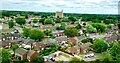
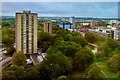

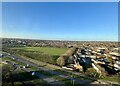
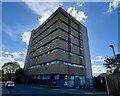

Area Information
Living in Stevenage means settling into a built-up area defined by clear boundaries and a distinct rhythm of daily life. The town covers an area of 21.9 square kilometres, creating a compact environment where neighbours are often neighbours. With a total population of 46,577, the community retains a manageable scale while offering the infrastructure of a significant urban centre. This density results in an average population density of 2,132 people per square kilometre, ensuring that public transport and local services remain within easy reach without the overcrowding found in larger metropolitan hubs. Residents experience a strong sense of locality within these limits. The geography supports a lifestyle where work, leisure, and home are frequently interconnected due to the town's concentrated nature. Families settle here knowing the estate is substantial enough for varied amenities yet intimate enough for familiar weekly visits. The character of the area reflects a settled population that has adopted the town as their permanent home. For those considering homes in Stevenage, the compact footprint guarantees that the majority of daily needs are local, removing the necessity for frequent long-distance commuting. You will find a diverse array of housing options scattered across the 21.9 km² landscape. The town balances residential needs with commercial activity, providing a self-contained environment for living. This setting appeals to buyers who prioritise convenience and community proximity over the anonymity of a sprawling city. The stability of the population and the defined borders create a predictable living experience. Whether you seek privacy or community, the structure of Stevenage supports both through its organised layout and established neighbourhoods.
- Area Type
- Built Up Area 250
- Area Size
- 21.9 km²
- Population
- 46577
- Population Density
- 2132 people/km²
Daily life in Stevenage revolves around a convenient cluster of retail and leisure amenities located within practical reach. Residents have immediate access to five major retail options, including Morrisons Daily, Aldi Stevenage, and Tesco Stevenage. These major chains ensure that shopping for weekly groceries and household essentials is a quick local errand rather than a planned trip. Transport connectivity complements this retail access. Five rail stations, including Stevenage Railway Station, Knebworth Railway Station, and Watton, provide easy rail access to broader regions. This means you can shop at the high street or supermarkets nearby, then travel further afield for leisure or specific shopping without driving. The town centre layout supports this walkable or short-drive lifestyle. You will find that the convenience extends to regular services found in most towns but is highlighted here by the specific count of retail outlets. The presence of Aldi Stevenage and Tesco Stevenage anchors the town's commercial identity. This variety allows residents to choose their preferred supermarkets based on pricing or product range. For families, the proximity of these amenities to homes in Stevenage saves significant time on daily errands. The transport links ensure that if you need to visit a department store or specialist shop outside the town, the railway stations make the journey straightforward. This blend of local retail and regional rail access creates a balanced lifestyle that offers independence and connection.
Amenities
Schools
Families living near Stevenage benefit from a range of educational institutions, though the data highlights primary education more prominently. Letchmore Infants' and Nursery School operates as a primary school and holds an outstanding Ofsted rating, setting a high standard for early education. Fairlands Primary School and Nursery and Roebuck Junior School serve as key primary providers for the younger demographic, ensuring that primary education remains accessible within the catchment area. Another option is Broom Barns Primary School, which carries a good Ofsted rating, offering reliable secondary-level support for younger children. Peartree Way Nursery School is available for pre-school education, fitting into the early years continuum. For parents choosing schools near Stevenage, the presence of an outstanding-rated primary institution is a significant positive factor. While the data lists these specific providers, it does not detail secondary schools or secondary-level Ofsted ratings. This reflects the primary focus of available information on the immediate vicinity. The mix of schools suggests a community dedicated to early learning and family development. Residents appreciate having reputable options like Letchmore Infants' and Nursery School within handy distance. The concentration of primary schools indicates a population with young families, supporting local community facilities and playgrounds alongside housing estates. When assessing homes in Stevenage, family buyers can verify proximity to these specific schools to ensure convenience for daily drop-offs and pick-ups. This educational landscape provides a solid foundation for families settling into the town.
| Rank | School | Type | Entry gender | Ages |
|---|
Explore more schools in this area
Go to Schools tabDemographics
The community within Stevenage is defined by a notably mature demographic profile. The median age stands at 70 years, indicating that the town is home to a significantly older population than the national average. This age statistic shapes the social fabric and the type of housing demand found in the area. A majority of age groups contribute to this aggregate, but the high median suggests a retirement town. Consequently, the demand for homes in Stevenage often leans towards properties accessible to older residents, such as single-storey bungalows or detached houses with gardens. Home ownership drives the social structure, with 61% of residents owning their properties outright or with a mortgage. This high rate of ownership creates a stable, long-term community with low tenant turnover. The remaining 39% live in rented accommodation, which introduces some flexibility to the housing stock but keeps the core population settled. The data does not specify household composition breakdowns, but the high ownership rate strongly suggests that many two-adult households exist alongside single-person households common in retirement communities. You will encounter a settled population where residents have deep roots. This stability influences local governance and community events. The lack of recent migration data underscores a static demographic, meaning that new residents must integrate into an existing, established way of life. This environment offers quiet neighbourhoods without the rapid flux of transient populations. For buyers, this means purchasing into a known community rather than incubating a new one, bringing certainty to your investment and lifestyle plans.