Area Overview for Harrold
Photos of Harrold
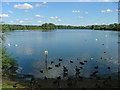
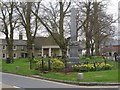
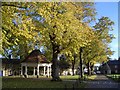

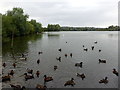

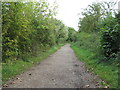
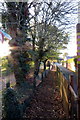
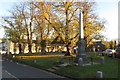
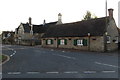
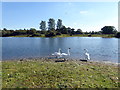
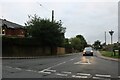
Area Information
Harrold is a small built-up area in England, covering 65.7 hectares, with a population that skews older, as evidenced by a median age of 70. This suggests a community where many residents may be retired or long-established locals. The area is compact, offering a quiet, settled environment with a focus on stability. While specific details about its historical or cultural significance are not provided, the presence of multiple schools and retail amenities indicates a functional, self-contained community. For those considering living in Harrold, the emphasis is on practicality: a safe environment, access to essential services, and a population that values home ownership. The 72% home ownership rate suggests a stable housing market, with many residents choosing to stay in their properties long-term. Daily life here is likely characterised by a slower pace, with local shops and schools forming the backbone of the area. Harrold is not a place for those seeking a fast-paced urban lifestyle, but it offers a reliable, low-maintenance alternative for those prioritising security and convenience.
- Area Type
- Built Up Area 250
- Area Size
- 65.7 hectares
- Population
- Not available
- Population Density
- Not available
The lifestyle in Harrold is shaped by its nearby amenities, which include five retail outlets. Notable stores such as Co-op Harrold, Co-op Sharnbrook, and Co-op Wollaston provide essential shopping options, from groceries to household goods. These locations suggest that residents have access to basic daily necessities without needing to travel far. While the data does not specify other amenities like parks or leisure facilities, the presence of multiple retail options indicates a focus on convenience. The compact nature of the area likely means that most errands can be completed within walking or short driving distance. For those prioritising a self-contained lifestyle, Harrold’s amenities offer a practical, no-frills approach to daily living. The absence of detailed information on dining or recreational options means that the area’s character beyond retail is not fully defined, but the existing infrastructure supports a functional, low-maintenance existence.
Amenities
Schools
Harrold has a range of educational options for families, with four schools listed in the vicinity. Harrold Lower School and Harrold Primary Academy are both primary schools, offering foundational education for younger children. Harrold Priory Middle School appears twice in the data, once as a primary school and once as an academy, which may indicate a transition in its status or a duplication in records. The Harrold Primary Academy holds an Ofsted rating of "good," a positive indicator for parents seeking quality education. The mix of school types suggests a variety of educational approaches, though the absence of secondary school data means it is unclear whether older students have local options. Families with children may find the presence of multiple primary schools reassuring, but further research would be needed to confirm the full range of educational provision in the area.
| Rank | School | Type | Entry gender | Ages |
|---|
Explore more schools in this area
Go to Schools tabDemographics
The demographic profile of Harrold is defined by its median age of 70, indicating a population that is predominantly older. This age group likely shapes the community’s character, with a focus on retirement and long-term residency. The home ownership rate of 72% suggests that most residents are settled in their homes, contributing to a stable, low-turnover environment. However, data on household composition, accommodation types, and ethnic diversity is not specified, meaning these aspects remain unclear. The absence of detailed information on deprivation or socioeconomic factors means it is difficult to assess the area’s quality of life in these dimensions. What is clear is that Harrold is not a young, rapidly growing community but one that reflects a mature demographic. For prospective buyers, this could mean a quieter, less dynamic environment, but one with potentially lower demand for housing and a strong sense of continuity.
Household Size
Accommodation Type
Tenure
Ethnic Group
Religion
Household Composition
Age
Household Deprivation
NS-SEC
Explore more demographic insights in this area
Go to Demographics tabPlanning
Planning Constraints
- Crime RiskPremium