Area Overview for Harlington
Photos of Harlington
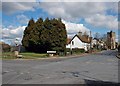
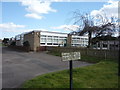

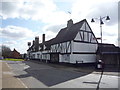
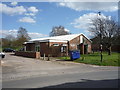
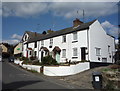
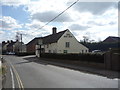

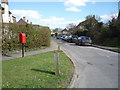

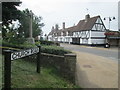

Area Information
Harlington is a compact built-up area spanning 80.5 hectares, situated in England. Its character is defined by a mature population, with a median age of 70, suggesting a community rooted in stability and long-term residency. The area’s small size means amenities and services are closely clustered, making daily life convenient for residents. With 82% of homes owner-occupied, Harlington reflects a strong sense of local attachment. The presence of multiple schools, rail stations, and retail outlets within practical reach underscores its practicality for families and individuals alike. While the area lacks the sprawling diversity of larger cities, its focused layout ensures a manageable, low-stress environment. For those seeking a place with a quiet, established feel and accessible infrastructure, Harlington offers a blend of simplicity and functionality. The proximity to rail links, including Harlington Railway Station and Flitwick Railway Station, further enhances its connectivity to surrounding regions. Living here means prioritising ease of access over urban vibrancy, with a focus on reliability and comfort.
- Area Type
- Built Up Area 250
- Area Size
- 80.5 hectares
- Population
- Not available
- Population Density
- Not available
Harlington’s lifestyle is shaped by its proximity to essential amenities. The nearby rail stations—Harlington, Flitwick, and Leagrave—offer straightforward access to regional transport networks, enabling quick travel to larger towns. For shopping, residents can visit M&S Toddington South M1 Moto SF, M&S Toddington North M1 Moto SF, and Co-op Flitwick, which provide a range of goods from everyday essentials to clothing and groceries. While the area does not feature extensive parks or leisure facilities, the compact layout ensures that services are within walking or short driving distance. The presence of multiple retail outlets and rail links contributes to a practical, low-effort lifestyle. For those who value convenience over expansive recreational spaces, Harlington’s amenities are sufficient for daily needs, with a focus on accessibility rather than diversity of options.
Amenities
Schools
Harlington’s education options include Harlington Lower School and Harlington Upper School, both of which operate as primary schools. Additionally, Harlington Upper School and Harlington Lower School are listed as academies, with both holding a ‘good’ Ofsted rating. This mix of school types provides families with a choice between traditional state-run institutions and academies, which often have more autonomy in curriculum and management. The presence of two primary schools suggests a focus on early education, while the academy status of one school may indicate a broader range of educational approaches. The ‘good’ rating ensures that parents can expect a standard of teaching and facilities that meet regulatory benchmarks. For families, this combination offers flexibility, whether they prefer the structure of a traditional school or the innovation of an academy. The proximity of these schools to residential areas makes them accessible for daily commuting.
| Rank | School | Type | Entry gender | Ages |
|---|
Explore more schools in this area
Go to Schools tabDemographics
Harlington’s population skews significantly towards older adults, with a median age of 70. This suggests a community where retirement or long-term residency is the norm, rather than a transient demographic. Home ownership is high, at 82%, indicating a stable housing market with limited rental activity. The data does not specify household composition or accommodation types, but the overall profile implies a population with established routines and fewer young families. The absence of detailed diversity metrics means the area’s ethnic and religious composition remains unquantified, though the figures provided suggest a homogenous demographic. For residents, this translates to a low-pressure environment with minimal demand for childcare or youth-focused services. The age profile also means local amenities are likely tailored to older adults, with healthcare and leisure facilities being key priorities. The area’s character is one of quiet consistency, where change is gradual and community ties are long-standing.
Household Size
Accommodation Type
Tenure
Ethnic Group
Religion
Household Composition
Age
Household Deprivation
NS-SEC
Explore more demographic insights in this area
Go to Demographics tabPlanning
Planning Constraints
- Crime RiskPremium