Area Overview for Great Shelford and Stapleford
Photos of Great Shelford and Stapleford

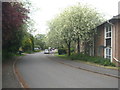
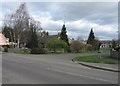
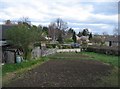
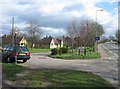
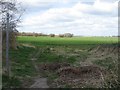
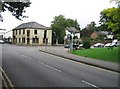
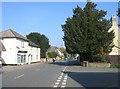
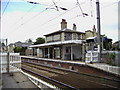
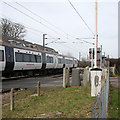

Area Information
Great Shelford and Stapleford occupies a compact footprint within Cambridgeshire, covering an area of just 2.4 km². This small built-up area functions as a distinct residential hub, offering a concentrated living experience rather than sprawling suburban development. The location sits logically between Greater Shelford and Little Shelford, creating a cohesive neighbourhood despite the modest geographical size. For anyone considering living in Great Shelford and Stapleford, the character is defined by its intimate scale and established layout. Residents benefit from a setting that feels settled and purposeful, avoiding the transient nature often found in rapid growth zones. The area represents a traditional English settlement pattern, where daily needs are within immediate reach. Proximity to local transport links and essential services defines the practical appeal of the site. While the specific population figure is not provided in the available records, the density within such a small footprint suggests a close-knit community structure. You will find yourself surrounded by neighbours who likely know one another, fostering a sense of stability. The environment appeals to those who prefer a village-like atmosphere without the isolation of rural life. Choosing homes in Great Shelford and Stapleford means selecting a location where the pace of life remains measured, yet access to wider Cambridgeshire and London remains convenient.
- Area Type
- Built Up Area 250
- Area Size
- 2.4 km²
- Population
- Not available
- Population Density
- Not available
Daily life in Great Shelford and Stapleford is supported by a cluster of nearby amenities that keep essentials at a manageable distance. Retail convenience is handled effectively by five local shops within easy reach. Co-op Great, Tesco Great, and Spar are the notable retailers available, ensuring you can source groceries and daily provisions without needing to travel far. This concentration of retail outlets supports a self-sufficient lifestyle for most households. Five railway stations are also listed within the amenity network, reinforcing the area's position as a transport-friendly hub. For those who travel further, two airports, both identified as Cambridge Airport, lie within the broader accessibility circle. This proximity appeals to residents with frequent business or leisure travel requirements. The character of the neighbourhood is defined by this balance of local independence and external connectivity. You do not need to venture into larger towns for shopping, as the named venues like the Co-op and Tesco branches are embedded in the catchment. Living in Great Shelford and Stapleford means enjoying the convenience of essential services steps or a short drive away. The area provides a functional environment where routine daily tasks are simplified by the precise location of these key amenities.
Amenities
Schools
Families considering Great Shelford and Stapleford have access to a specific selection of educational institutions within the immediate vicinity. Stapleford Community Primary School serves as a notable primary option for younger children attending local education. Another primary choice is Great and Little Shelford CofE (Aided) Primary School, which holds a 'good' Ofsted rating, offering confident assurance of educational standards for students in this location. These institutions provide primary education foundations before children may transition to secondary schools in neighbouring towns. The area also includes Green Hedges School, a special school that caters to specific educational needs within the local catchment. The presence of multiple primary schools indicates a commitment to local education infrastructure, allowing families to choose between different community and faith-based affiliations. You will not find secondary schools explicitly listed in the immediate data for this specific built-up area, meaning older children may commute further. The mix of primary options, including the community-run and the Church of England Aided establishment, offers varied educational philosophies. For parents moving to Great Shelford and Stapleford, the proximity to these named schools is a practical asset for daily logistics. Check the specific catchment boundaries for each school to ensure alignment with your child's location.
| Rank | School | Type | Entry gender | Ages |
|---|
Explore more schools in this area
Go to Schools tabDemographics
The community profile in Great Shelford and Stapleford indicates a very mature population. The median age for residents stands at 70 years, confirming this is an area dominated by older demographic groups. Most households consist of individuals in the total age bracket, meaning single-occupancy dwellings are prevalent. This age distribution shapes the social fabric, creating a neighbourhood where long-term residents form the core. Home ownership is the primary mode of tenure, with a current rate of 71%. This high level of ownership contributes significantly to the stability you can expect when living in Great Shelford and Stapleford. Seven out of every ten households own their property outright or through a mortgage, reducing the number of short-term movers. The data does not specify a breakdown of household composition beyond the total age range, but the median age implies few young families or large multi-generational households dominate the streets. Accommodation types are not further detailed, but the ownership rate suggests a stock attractive to retirees or downsizers. The ethnic makeup, religion, and specific deprivation statistics are not recorded in the current dataset, but the demographic focus remains clearly on an established, older cohort. For those seeking a quiet retirement setting or eyeing the retirement market, the statistical reality of a 70-year median age is a defining feature of life here.
Household Size
Accommodation Type
Tenure
Ethnic Group
Religion
Household Composition
Age
Household Deprivation
NS-SEC
Explore more demographic insights in this area
Go to Demographics tabPlanning
Planning Constraints
- Crime RiskPremium