Area Overview for Great Paxton
Photos of Great Paxton
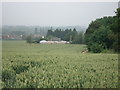
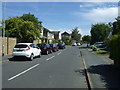
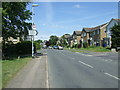

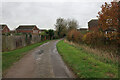



Area Information
Great Paxton is a compact built-up area spanning 33.4 hectares, nestled in England. Its size suggests a tight-knit community, where daily life is shaped by proximity to local amenities and transport links. The area’s median age of 70 indicates a population skewed toward older residents, which may influence the pace of life and the types of services available. Despite its small footprint, Great Paxton offers practical access to essential infrastructure, including retail outlets and railway stations. The low crime risk score of 84/100 reinforces its appeal as a safe place to live, particularly for those prioritising security. For homebuyers, the area’s blend of safety, connectivity, and established local services makes it a viable option for those seeking a quieter, stable environment. The presence of Great Paxton CofE Primary School, rated good by Ofsted, adds to its appeal for families. While the area may not cater to high-density urban living, its manageable scale and functional amenities make it suitable for those valuing convenience over sprawling development.
- Area Type
- Built Up Area 250
- Area Size
- 33.4 hectares
- Population
- Not available
- Population Density
- Not available
Great Paxton’s lifestyle is shaped by its proximity to essential amenities. Retail options include Co-op Little, Budgens Offord, and Tesco St Neots, offering a range of shopping and dining choices. The two railway stations—St Neots and Huntingdon—provide access to broader transport networks, supporting both commuting and leisure travel. While the data does not mention parks or recreational facilities, the area’s compact size may encourage walking or cycling for local errands. The presence of a primary school and nearby retail outlets suggests a community-oriented environment, where daily needs are met without long commutes. For residents, the balance of practical amenities and connectivity creates a convenient, if modest, lifestyle. The area’s appeal lies in its functionality, offering a quiet, accessible base for those prioritising stability over sprawling urban conveniences.
Amenities
Schools
Great Paxton CofE Primary School is the only school explicitly listed in the data, serving the area’s primary education needs. Rated good by Ofsted, it provides a reliable option for families with young children. The school’s presence may influence the area’s appeal to households prioritising quality education. However, the data does not include secondary schools or other educational institutions, meaning prospective buyers should verify availability of further schooling options. The single primary school suggests a limited range of educational choices, which could be a consideration for families requiring multiple school options. The good Ofsted rating, though, offers reassurance about the standard of teaching and facilities. For those focused on immediate educational needs, Great Paxton’s primary school is a positive feature, but buyers should explore additional resources for secondary education.
| Rank | School | Type | Entry gender | Ages |
|---|
Explore more schools in this area
Go to Schools tabDemographics
The population of Great Paxton has a median age of 70, reflecting a community predominantly composed of older residents. This age profile may influence local services and social dynamics, with a focus on healthcare and retirement-related amenities. Home ownership is high, with 81% of residents owning their homes, suggesting a stable housing market and long-term residency. The data does not specify household composition or accommodation types, but the overall figures imply a mix of property types. The area’s demographic profile, while lacking detailed breakdowns of diversity or household structures, aligns with a mature population that may prioritise security and established infrastructure. For prospective buyers, the high home ownership rate signals a resilient market, though the lack of detailed demographic data means assumptions about community diversity or family structures must be avoided.
Household Size
Accommodation Type
Tenure
Ethnic Group
Religion
Household Composition
Age
Household Deprivation
NS-SEC
Explore more demographic insights in this area
Go to Demographics tabPlanning
Planning Constraints
- Crime RiskPremium