Area Overview for Garvestone
Photos of Garvestone
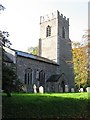
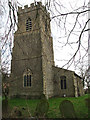
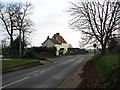
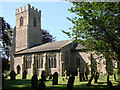
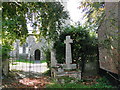
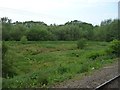
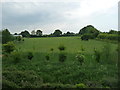
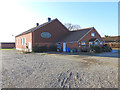

Area Information
Garvestone is a compact built-up area in England, covering 22.2 hectares. Its population is predominantly older, with a median age of 70, suggesting a community of long-term residents. The area is characterised by a high rate of home ownership—80% of households own their homes—indicating stability and a focus on settled living. While the data does not specify the exact types of accommodation, the mix of housing likely includes a range of properties suited to the area’s demographic. Garvestone’s proximity to Garvestone Community Primary School and nearby retail outlets, including Aldi Toftwood and Lidl Toftwood, ensures basic amenities are within reach. The area’s low crime risk, with a safety score of 86, adds to its appeal for families and retirees seeking a secure environment. Living here means balancing quiet, established neighbourhoods with practical access to shopping, transport, and essential services. The presence of the Dereham metro station further connects residents to broader regional networks. Garvestone is not a sprawling suburb but a focused community where daily life revolves around local shops, schools, and the nearby town centre.
- Area Type
- Built Up Area 250
- Area Size
- 22.2 hectares
- Population
- Not available
- Population Density
- Not available
Garvestone’s lifestyle is defined by its proximity to essential amenities and a modest retail offering. The area includes five retail outlets, with notable names such as East of England Co-operative Co, Aldi Toftwood, and Lidl Toftwood, ensuring basic shopping needs are met without requiring lengthy trips. The Dereham metro station provides access to broader transport networks, though the area itself does not list parks, leisure facilities, or dining venues. This suggests a focus on practical living over recreational amenities. The presence of a primary school and nearby shops indicates a community-oriented environment, but the lack of detailed data on parks or entertainment options means the full range of lifestyle possibilities remains unexplored. Residents may need to travel to nearby towns for more extensive leisure opportunities, though the existing amenities support a functional, low-maintenance daily life.
Amenities
Schools
The nearest school to Garvestone is Garvestone Community Primary School, which serves the area’s primary education needs. The data lists this school twice, but it is the only institution mentioned, suggesting a focus on primary-level education. No secondary schools or other educational institutions are referenced, which may limit options for families requiring a full range of schooling. The absence of Ofsted ratings or performance data means the quality of education cannot be assessed. For parents, this implies reliance on the primary school for early years education, with potential gaps in secondary schooling. The school’s presence supports the area’s demographic profile, catering to families with young children. However, without additional data, it is unclear whether the school meets broader educational standards or if further research is needed for a comprehensive evaluation.
| Rank | School | Type | Entry gender | Ages |
|---|
Explore more schools in this area
Go to Schools tabDemographics
The population of Garvestone has a median age of 70, with the most common age range encompassing all age groups. This suggests a community skewed towards older residents, possibly retirees or long-term residents. Home ownership is high, with 80% of households owning their homes, indicating a stable demographic with limited rental activity. The data does not specify household composition or accommodation types, but the high home ownership rate implies a mix of family homes and individual properties. There is no information on ethnic diversity or religious composition, but the absence of specific figures means these aspects cannot be detailed. The area’s demographic profile reflects a mature population, which may influence local services and amenities. For example, the presence of a primary school suggests a need for educational infrastructure, though the data does not confirm the school’s Ofsted rating or student performance. The lack of detailed diversity statistics means broader social dynamics remain unexplored.