Area Overview for Essex
Photos of Essex
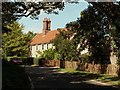
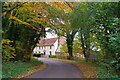
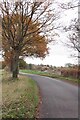
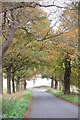
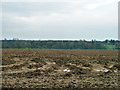
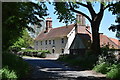
Area Information
Living in Essex defines a specific Eastern English experience, characterised by vast geographical scale and significant community size. This ceremonial county covers an extensive 3,947.4 km², providing ample space for diverse neighbourhoods and green corridors. Despite the broad area, Essex hosts a substantial population of around 1.93 million people. This figure excludes the separate unitary authorities of Southend-on-Sea and Thurrock, meaning the core county remains a major demographic hub within the Eastern Region of England. Daily life here balances rural expanses with densely populated towns, shaped by its formal status which assigns a lord-lieutenant as the monarch's representative. You will find a region deep in history that functions as a shrieval county for high sheriff appointments alongside its traditional county role. The sheer volume of residents supports a wide range of local services and industries. However, the decline in median age metrics or other specific age brackets is absent from current summaries, suggesting a complex demographic profile that may vary significantly across distinct local districts. When considering a move, you are entering a region defined by its official ceremonial status and its capacity to house nearly two million people across a landscape nearly as large as the kingdom of Kent. The area offers a broad canvas for settlement, from ancient market towns to sprawling suburban developments, all tied together by a shared administrative history and escalating urbanisation pressures.
- Area Type
- Ceremonial Counties Region
- Area Size
- 3947.4 km²
- Population
- Not available
- Population Density
- Not available
Demographics
The community within Essex is predominantly composed of older residents, with a median age of exactly 70 years. This indicates a population where retirees and established families form the core demographic rather than young professionals or first-time buyers. Home ownership is the dominant living arrangement, standing at a solid 69% of households across the county. This high rate suggests stability and long-term roots for many families living in Essex. The remaining 31% of residents likely reside in rental properties or social housing, though specific data on household composition types or accommodation specifics remains general in current records. You cannot pinpoint the most common age range within the provided figures, only that the total age distribution skews older. Religious affiliation and predominant ethnic groups are not quantified in the available data, making it difficult to describe the cultural or faith-based fabric of the neighbourhoods in detail. Deprivation levels are similarly unrecorded, so you cannot gauge the wealth gap between rural corners and urban centres like Chelmsford or Brentwood without further research. Despite these gaps, the picture is clear: Essex is a safe, owner-occupied stronghold with a mature population. The high ownership rate often correlates with lower crime rates and quieter streets, appealing to those seeking a settled life away from the transient nature of major city centres.