Area Overview for CO16 8GX
Photos of CO16 8GX
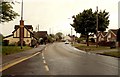
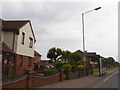
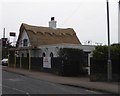
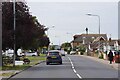
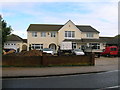
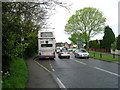
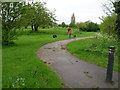
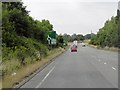
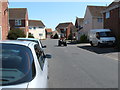
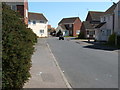
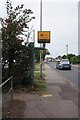
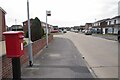
Area Information
Cann Hall is a residential cluster located within the London Borough of Waltham Forest, representing a specific postcode area characterised by late Victorian and early 20th-century terraced housing. This neighbourhood developed following the sale of the original estate for construction between 1880 and 1895. The area traces its roots back to the Domesday Book of 1086, originally listed as land held by Hugh de Montfort before passing through several owners over the centuries. A civil parish known as Cann Hall existed from 1894 until its abolition in 1965 when the London Borough of Waltham Forest was established. Residents today live in an area defined by historical depth rather than modern gentrification. The current population stands at 1,546 people, indicating a tightly knit community rather than a sprawling suburb. Legacy of the area comes from the Colegrave family who owned the manor into the 19th century, with several street names still retaining connections to this ownership. The only surviving physical link to this history is the Colegrave Arms pub on Cann Hall Road, which now operates as a mosque. Living in CO16 8GX offers the benefit of being situated near the Wanstead Flats, which are now administered by the City of London Corporation. The area lies to the south of Leytonstone and Leyton, north of Stratford and Forest Gate, and west of Wanstead Flats.
- Area Type
- Postcode
- Area Size
- Not available
- Population
- 1546
- Population Density
- 3853 people/km²
The housing stock in CO16 8GX is defined by its historic character and high level of tenure stability. Houses make up the predominant type of accommodation available for sale or rent in this small residential cluster. This focus on houses contrasts with many modern London suburbs where flats and low-rise blocks dominate the skyline. The acccommodation market shows that 83% of residents own their homes, proving that this is primarily an owner-occupied area rather than a hub for student rentals or short-term lets. This high percentage of owner occupancy often leads to slower turnover rates and a slower evolution of the local aesthetic. Buyers looking at homes in CO16 8GX should expect properties that reflect the late Victorian and early 20th-century building styles that defined the estate when it was sold for development between 1880 and 1895. The lack of high-rise developments maintains a traditional street scene consistent with the original layout of the manor grounds. Because the civil parish of Cann Hall existed until 1965, land use remained residential and most protective of the existing structure. There are no indications of large-scale demolition or regeneration projects currently underway within this specific postcode. The market appeal lies in the privacy and space offered by house ownership rather than the convenience of a flat in a block of apartments. Homeowners here have successfully maintained the historic fabric of the neighbourhood over recent decades.
House Prices in CO16 8GX
No properties found in this postcode.
Energy Efficiency in CO16 8GX
Residents of CO16 8GX enjoy access to a variety of amenities within practical reach of their homes. Retail options include M&S Clacton, Lidl Brook Park West, and Tesco Clacton, giving households access to major grocery chains and general merchandise stores. The area benefits from five retail outlets in its immediate vicinity, ensuring that daily shopping does not require long drives into Clacton or nearby urban centres. Rail access is available through Clacton, Thorpe, and Weeley Railway Station, with five railway points noted as nearby options. These stations allow for connections to wider London and Sarnet networks, linking the postcode to potentially further destinations. Ferry services operate from Brightlingsea Ferry Landing, Point Clear Ferry Landing, and East Mersea Ferry Landing, offering alternative transport links across the Essex coast. These three ferry landings provide residents with dedicated maritime connections that are unique to this coastal fringe locale. The combination of railway and ferry infrastructure creates a redundant transport network, meaning a single line closure will not isolate the community. Living in CO16 8GX means having bothshopping and transport choices without needing a car for most weekday commutes.
Amenities
Schools
Families living in CO16 8GX have access to several educational institutions within practical reach of their properties. Cann Hall Primary School operates as a state-funded primary school and holds a good Ofsted rating. Minerva Independent School also serves the vicinity with a special educational need focus and maintains a good Ofsted rating. These two institutions provide the core schooling options for children residing in the postcode. The presence of a special needs school suggests the area supports families with diverse educational requirements alongside those attending standard primary education. Both Cann Hall Primary School and Minerva Independent School contribute to a limited but functional school catchment for the neighbourhood. With a median population age of 47, there is a strong correlation between the resident demographic and the need for primary education facilities rather than secondary colleges. The school types indicate a mix of local community-focused education and specialist support. Parents should consider the specific catchment areas for Cann Hall Primary School and Minerva Independent School when viewing homes in CO16 8GX, as these are the only confirmed institutions near the location. The good ratings for both schools indicate that families move here specifically for educational stability.
| Rank | School | Type | Entry gender | Ages |
|---|
Explore more schools in this area
Go to Schools tabDemographics
The community living in CO16 8GX is predominantly composed of adults between 30 and 64 years of age. The median age for residents is 47 years, confirming that the area serves as a stable home for families and established households rather than students or retirees. Eighty-three per cent of homes in this postcode are owned outright, indicating a very high level of home ownership compared to many parts of London. This suggests that many current residents have lived in their properties for extended periods. The predominant form of accommodation consists of houses, which aligns with the historical development of terraced housing in the late Victorian era. The local population is majority White, reflecting the traditional demographic makeup of the London Borough of Waltham Forest. With such a high home ownership rate of 83%, the area feels less transient than neighbouring districts where rentals dominate. The age profile supports local businesses and schools as the primary workforce and consumer base. Adult residents form the backbone of the community, creating a neighbourhood where long-term stability is the norm.
Household Size
Accommodation Type
Tenure
Ethnic Group
Religion
Household Composition
Age
Household Deprivation
NS-SEC
Explore more demographic insights in this area
Go to Demographics tabPlanning
Planning Constraints
- Flood RiskPremium
- Ramsar Wetland SitesPremium
- Area of Outstanding Natural BeautyPremium
- Protected Nature ReservePremium
- Protected WoodlandPremium