Area Overview for CM7 8GB
Photos of CM7 8GB
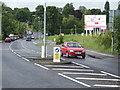
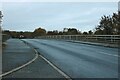
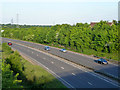
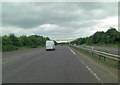
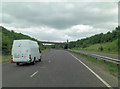
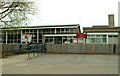
Area Information
You are proposing to live in Black Notley, a village and civil parish situated in the Braintree district of Essex. The postcode CM7 8GB identifies a specific residential cluster within this historic area, covering a population of 2,698 people. This figure exceeds the 2,478 recorded in the 2011 census and now includes the hamlet of Row Green and Young's End. The environment is defined by gently undulating, fruitful land featuring woodland and waste areas, located approximately 2.4 km south of Braintree. Landmarks along the River Brain provide a clear sense of place. The area is defined by its scattered village layout rather than a dense urban grid. Living in CM7 8GB offers proximity to significant local transport hubs, such as Cressing railway station, which sits around half a mile from the village centre. The neighbourhood also connects to Braintree Freeport and Braintree stations. You will find that daily life here balances rural character with practical access to larger towns like Chelmsford, located 14 km to the south-west. This proximity allows you to maintain a village lifestyle while remaining within reach of wider employment and leisure opportunities. The location represents 9 miles north-northeast of Chelmsford, positioning you between the county town and the town of Braintree.
- Area Type
- Postcode
- Area Size
- Not available
- Population
- 2698
- Population Density
- 358 people/km²
The housing stock in CM7 8GB is almost entirely comprised of houses, which aligns with the designation of the area as a scattered village. With 79% of households in owner-occupied accommodation, you will find that the market here is driven by buyers rather than tenants. This high level of home ownership implies strong stability within the community and distinct from typical lettings sites found in flats or terraced housing areas. The parish church of St. Peter and St. Paul and Black Notley Hall, a Grade II listed building, indicate the presence of historical properties that may feature within the local housing stock. The area description notes that the former Black Notley Hospital site is now a housing estate. This suggests a mixture of original village homes and conversions near the main village centre. If you are searching for homes in CM7 8GB, expect a market focused on detached, semi-detached, or terraced houses suitable for family living. The 0% scores for planning constraints regarding AONB, Ramsar sites, and protected woodlands mean you will not encounter restrictions often found in more sensitive rural locations. However, because the population density is 358 people per square kilometre, property sizes may vary. The market reflects a demand for substantial living space rather than urban convenience. buyers should consider that the postcode covers a small residential cluster, meaning availability will depend on specific streets within the parish.
House Prices in CM7 8GB
No properties found in this postcode.
Energy Efficiency in CM7 8GB
Residents of CM7 8GB benefit from a range of amenities within practical reach, blending village convenience with commercial offerings. Five retail options are available nearby, including the Chelmsford Star Co-operative Society Co and M&S Braintree BP. These outlets cover essential shopping needs without requiring a long journey to the county town. Five rail stations serve the neighbourhood, providing easy access to Braintree, Braintree Freeport, and Cressing. Commuters will appreciate how quickly you can reach these stations from your front door. A Bus Interchange is also accessible, ensuring flexibility if train services are delayed. The parish contains significant historical and natural features that define your daily surroundings. The parish church of St. Peter and St. Paul stands as a landmark with Norman structure and 15th-century windows. Black Notley Hall, a Grade II listed 15th-century building, adds to the architectural heritage. The site of the former Black Notley Hospital now forms part of the residential landscape. Famous residents include naturalist John Ray and Bishop William Bedell, who shaped the area's history. The village centre is around half a mile from Cressing railway station. You will find that living here offers a blend of quiet village life and modern access. The area is defined by gently undulating land and fruitful soil, ideal for local agriculture and gardening. Proximity to the River Brain provides recreational opportunities along the water.
Amenities
Schools
| Rank | School | Type | Entry gender | Ages |
|---|
Explore more schools in this area
Go to Schools tabDemographics
The community within CM7 8GB draws primarily from adults aged between 30 and 64 years. The median age for residents is 47 years. This age profile suggests a population consisting of established households and families who have put down roots in the parish. Home ownership levels are exceptionally high at 79%, indicating that the vast majority of households own their dwellings outright or with a mortgage. This contrasts sharply with rental markets found in larger urban centres. The predominant ethnic group in this area identifies as White, which reflects the traditional demographic makeup of the Braintree district. You are looking at accommodation types that are predominantly houses, fitting the description of a village defined by scattered dwellings and woodland areas. The low population density further reinforces a quiet residential atmosphere. With 358 people living per square kilometre, the area is not densely packed. This demographic stability often appeals to those seeking a predictable neighbourhood environment. The concentration of adults in the middle age range also suggests active engagement in local governance and community organisations. Families will find the age-friendly nature of the village conducive to raising children, while older residents may appreciate the established character of the parish church and hall.
Household Size
Accommodation Type
Tenure
Ethnic Group
Religion
Household Composition
Age
Household Deprivation
NS-SEC
Explore more demographic insights in this area
Go to Demographics tabPlanning
Planning Constraints
- Flood RiskPremium
- Ramsar Wetland SitesPremium
- Area of Outstanding Natural BeautyPremium
- Protected Nature ReservePremium
- Protected WoodlandPremium