Area Overview for Clacton-on-Sea
Photos of Clacton-on-Sea
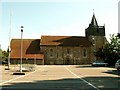
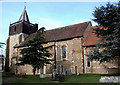



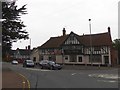
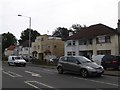
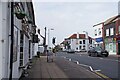
Area Information
Clacton-on-Sea sits on the Essex coast as a built-up area covering 13.3 km². It houses a population of 17,894 people, creating a community density of 1,345 people per square kilometre. This figure places Clacton-on-Sea in the moderate density category for coastal towns, balancing residential space with local infrastructure. Residents describe daily life within this coastal community through direct engagement with the shared local environment. The area functions as a distinct residential zone rather than a sprawling urban sprawl. You find proximity to the seafront while maintaining a compact settlement layout.homes in Clacton-on-Sea reflect this established character with mature landscaping and organised street patterns. The town operates as a functional seaside location where residents navigate short distances to local services. Your daily routine involves accessible nearby stations and shops without commuting into larger urban centres. Clacton-on-Sea offers a specific type of coastal living defined by its manageable scale. You access ferry connections and railway stations without traversing long distances through urban congestion. The area functions as a self-contained community where the 13.3 km² footprint supports all essential local needs. Living in Clacton-on-Sea means integrating your home life with a compact, organised coastal settlement structure.
- Area Type
- Built Up Area 250
- Area Size
- 13.3 km²
- Population
- 17894
- Population Density
- 1345 people/km²
Daily life in Clacton-on-Sea benefits from a range of amenities within easy reach of your doorstep. Retail choices include five major local stores: Asda Clacton-on, Spar, and Morrisons Daily Clacton On. Shopping runs can be completed quickly using these specific venues. Transport links feature five notable railway stations including Clacton, Thorpe, and Kirby Cross Railway Station. These stations facilitate travel to the wider national network. Two ferry landing points, Brightlingsea Ferry Landing and Point Clear Ferry Landing, provide coastal transport options. Recreation includes access to seaside promenades and local parks typical of this coastal settlement. You can dine, shop, and travel without leaving the town limits. The concentration of retail and rail options means daily errands require minimal travel time. The presence of these specific venues ensures variety in how you manage your household logistics. Facilities such as the local supermarkets and train stations are integrated into the town fabric. You access these amenities intimately without needing to venturing into larger urban centres.
Amenities
Schools
Several primary schools serve the Clacton-on-Sea area, providing education within practical reach of residents. Oakwood Infant and Nursery School holds a good Ofsted rating and functions as a notable local institution. Alton Park Junior School, Great Clacton Junior School, Burrsville Community Infant School, and Ravenscroft Primary School also serve the local catchment. These five schools cover the primary education stage for children in the community. You will find a combination of infant and junior sections as well as standalone primary institutions. Having multiple options means families have choices regarding specific schools or sections. The presence of a school with a good rating confirms standards of education within the immediate vicinity. However, the data does not list secondary schools, meaning you may need to look beyond this immediate cluster for older teenagers. The school mix supports early education and foundational years effectively. Residents rely on these local establishments without needing to commute extensively for primary schooling.
| Rank | School | Type | Entry gender | Ages |
|---|
Explore more schools in this area
Go to Schools tabDemographics
The demographic profile of Clacton-on-Sea reveals a mature community with a significant proportion of older residents. The median age stands at 70 years, indicating that the population skews heavily towards the senior demographic. Households in this coastal area show a strong preference for long-term stability, with a home ownership rate of 69%. This high percentage suggests most residents have stayed in their communities for extended periods. The household composition data categorises total household types without specific age-based breakdowns, yet the median age implies many multi-generational or single-person households. Accommodation types cover the total housing stock, reflecting a mix of housing forms suitable for an older population. The area does not display specific religious or predominant ethnic group statistics in the available data, focusing instead on the clear age demographic. This maturity shapes the quality of life, making Clacton-on-Sea particularly suitable for those seeking quiet residency. Families with young children might find other areas more aligned with their needs given this age profile. The 69% ownership figure proves financial stability within the community, as fewer people rely on the rental market. You will encounter a neighbourhood where long-term residents have shaped the local character over decades.
Household Size
Accommodation Type
Tenure
Ethnic Group
Religion
Household Composition
Age
Household Deprivation
NS-SEC
Explore more demographic insights in this area
Go to Demographics tabPlanning
Planning Constraints
- Crime RiskPremium