Area Overview for CB3 9BB
Photos of CB3 9BB
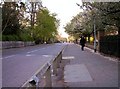
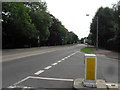
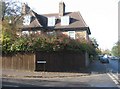
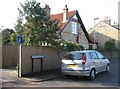
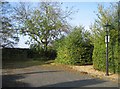
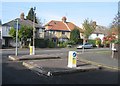
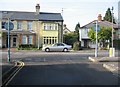
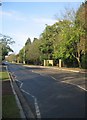
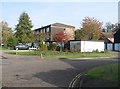
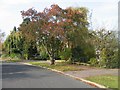
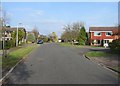
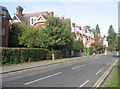
Area Information
Living in CB3 9BB, a small residential cluster in Cambridge, England, offers a blend of compact urban convenience and historical charm. The area, part of the Newnham ward, sits on the west bank of the River Cam and spans 1.4 hectares, home to 5,735 residents. With a median age of 22 and a population density of 1,510 people per square kilometre, CB3 9BB is a youthful, tightly knit community. Its proximity to Cambridge’s academic and cultural hubs, combined with nearby recreational spaces like Lammas Land and Grantchester Meadows, makes it appealing for students, young professionals, and families. The area’s history as a former anomaly in the parish system adds to its distinct identity, while its modern infrastructure ensures ease of daily life. From independent schools to rail links, CB3 9BB balances tradition with practicality, offering a snapshot of Cambridge’s evolving character.
- Area Type
- Postcode
- Area Size
- 1.4 hectares
- Population
- 5735
- Population Density
- 1510 people/km²
The property market in CB3 9BB is characterised by a 57% home ownership rate, with houses forming the primary accommodation type. This suggests a mix of owner-occupied properties and rental stock, though the exact proportion of rentals is not specified. The small area size of 1.4 hectares implies limited housing stock, potentially driving demand for properties in this compact cluster. Given Cambridge’s broader real estate dynamics, CB3 9BB’s proximity to the city centre and its rail links likely contribute to its appeal. Buyers should consider the area’s small footprint and its integration with Cambridge’s amenities, which may influence both property values and availability. The predominance of houses over flats or apartments may cater to families or those seeking more space.
House Prices in CB3 9BB
Showing 65 properties
| Address | Type | Beds | Baths | Last Sale Price | Last Sale Date | |
|---|---|---|---|---|---|---|
| May Ball Site, Wolfson College, Barton Road, Cambridge, CB3 9BB | commercial | - | - | - | - | |
| Toda House, Wolfson College, Barton Road, Cambridge, CB3 9BB | house | - | - | - | - | |
| Flat 2 Family Flats, Wolfson College, 86 Barton Road, Cambridge, CB3 9BB | Flat | - | - | - | - | |
| Flat B1, Wolfson College, Barton Road, Cambridge, CB3 9BB | Flat | - | - | - | - | |
| Flat B2, Wolfson College, Barton Road, Cambridge, CB3 9BB | Flat | - | - | - | - | |
| Lee Sang Tee Library, Wolfson College, Barton Road, Cambridge, CB3 9BB | library_museum_gallery | - | - | - | - | |
| Gymnasium, Wolfson College, Barton Road, Cambridge, CB3 9BB | Leisure | - | - | - | - | |
| Flat 3 Family Flats, Wolfson College, 86 Barton Road, Cambridge, CB3 9BB | Flat | - | - | - | - | |
| Flat 1 Family Flats, Wolfson College, 86 Barton Road, Cambridge, CB3 9BB | Flat | - | - | - | - | |
| The Chancellors Centre, Wolfson College, Barton Road, Cambridge, CB3 9BB | university_college | - | - | - | - |
Energy Efficiency in CB3 9BB
Residents of CB3 9BB enjoy a range of amenities within easy reach. Retail options include Co-op Grantchester, Tesco Petty, and M&S Cambridge, offering everyday shopping convenience. The area’s rail links connect to Cambridge’s cultural and commercial hubs, while nearby recreational spaces like Lammas Land and Grantchester Meadows provide greenery for relaxation. The West Cambridge Conservation Area adds historical interest, with St Mark’s Church on Barton Road serving as a local landmark. This mix of practicality and leisure ensures a balanced lifestyle, blending urban efficiency with natural and cultural attractions.
Amenities
Schools
Residents of CB3 9BB have access to two independent schools: King’s College School and St John’s College School. Both institutions are likely to offer high academic standards, though specific Ofsted ratings are not provided in the data. The presence of independent schools suggests the area attracts families prioritising private education. These schools may also serve broader Cambridge communities, given the proximity of Cambridge North and Shelford railway stations. While the data does not detail curriculum or facilities, the availability of two independent options positions CB3 9BB as a desirable location for families seeking quality education.
| Rank | School | Type | Entry gender | Ages |
|---|
Explore more schools in this area
Go to Schools tabDemographics
CB3 9BB’s population is predominantly young, with 57% of residents aged 15–29, reflecting a community shaped by students and early-career professionals. Home ownership stands at 57%, with houses making up the majority of accommodation types. The predominant ethnic group is White, though the data does not specify further diversity metrics. The high population density of 1,510 people per square kilometre suggests a compact, communal living environment. This demographic profile indicates a dynamic, transient population, likely influenced by Cambridge’s universities and nearby employment opportunities. While the data does not quantify deprivation levels, the low crime risk and absence of environmental constraints suggest a stable, accessible quality of life for residents.
Household Size
Accommodation Type
Tenure
Ethnic Group
Religion
Household Composition
Age
Household Deprivation
NS-SEC
Explore more demographic insights in this area
Go to Demographics tabPlanning
Planning Constraints
- Flood RiskPremium
- Ramsar Wetland SitesPremium
- Area of Outstanding Natural BeautyPremium
- Protected Nature ReservePremium
- Protected WoodlandPremium