Area Overview for CB3 8UE
Photos of CB3 8UE
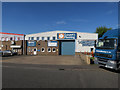
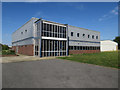
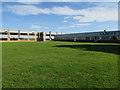
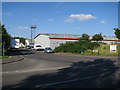
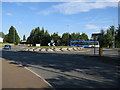
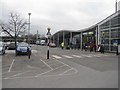
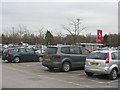
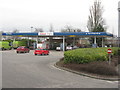
Area Information
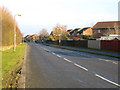
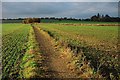
Living in CB3 8UE means being part of Bar Hill, a planned village in South Cambridgeshire, 4 miles northwest of Cambridge. With a population of 1,948 and a density of 85 people per square kilometre, this small postcode area is a self-contained community built in the late 1950s on former farmland. Designed to address housing shortages, it features 1,200 leasehold homes arranged in closes, surrounded by 15,000 trees. Daily life here balances suburban convenience with a distinct village character. Residents benefit from proximity to the A14 motorway and Cambridge, with local amenities like a shopping mall, pub, and village hall. The area has evolved from early criticisms to a thriving hub of around 4,000 residents, though it retains its "Tesco village" reputation due to the central supermarket. Community events, the Bar Hill News newsletter, and the preserved Bar Farm farmhouse add to its charm. CB3 8UE is ideal for those seeking a quiet, family-oriented environment with easy access to the city.
- Area Type
- Postcode
- Area Size
- Not available
- Population
- 1948
- Population Density
- 85 people/km²
CB3 8UE is a predominantly owner-occupied area, with 73% of homes owned by residents rather than rented. The housing stock consists mainly of houses, reflecting the village’s planned development in the 1950s and 1960s. This contrasts with areas dominated by rental properties or flats, making CB3 8UE a niche market for buyers seeking family homes in a low-density setting. The small postcode area’s limited size means the housing stock is finite, with no recent large-scale new builds. For buyers, this implies a competitive market with limited options, though the existing homes are likely well-maintained. The area’s self-contained nature and proximity to Cambridge also make it attractive for commuters, though property prices may reflect both the village’s charm and its location.
House Prices in CB3 8UE
No properties found in this postcode.
Energy Efficiency in CB3 8UE
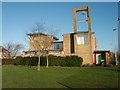
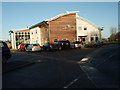
Life in CB3 8UE revolves around its village-centre amenities, including a shopping mall opened in 1968, which houses Tesco Cambridge (established 1977) and other retailers like M&S Cambridge A14 Moto SF and Co-op Longstanton. The area also features a pub, village hall (built 1979), Bar Hill Church, and the Cambridgeshire Golf Club, offering leisure options for residents. The Bar Farm farmhouse and toll gate, remnants of the area’s history, add to its character. The village’s 15,000 trees and community events like summer fetes create a green, social environment. While the "Tesco village" label highlights retail prominence, the mix of retail, dining, and green spaces ensures a balanced lifestyle. Proximity to the A14 and Cambridge means residents can enjoy suburban tranquillity with city access.
Amenities
Schools
Residents of CB3 8UE have access to two primary schools: Bar Hill Community Primary School and Dry Drayton CofE (C) Primary School. Both are within practical reach, ensuring convenience for families. Dry Drayton CofE (C) Primary School holds a "good" Ofsted rating, indicating strong educational standards. The presence of two primary schools suggests a robust local education network, though no secondary schools are listed. This makes CB3 8UE appealing for families with young children, as it eliminates the need for long commutes to schools. The schools’ proximity to homes and the village’s community focus likely foster a supportive environment for students. However, parents seeking secondary education may need to look beyond the immediate area.
| Rank | School | Type | Entry gender | Ages |
|---|
Explore more schools in this area
Go to Schools tabDemographics
The population of CB3 8UE is predominantly adults aged 30–64, with a median age of 47. Home ownership stands at 73%, reflecting a community of long-term residents rather than renters. The area is characterised by houses, not flats, and the predominant ethnic group is White. This suggests a stable, settled population with strong ties to the area. The absence of specific deprivation data means no direct commentary on economic hardship, but the high home ownership rate and age profile indicate a mature, low-turnover community. Families with children are well-represented, given the presence of primary schools. The demographic profile aligns with a suburbanised village, where local amenities and infrastructure cater to middle-aged residents and their dependents.
Household Size
Accommodation Type
Tenure
Ethnic Group
Religion
Household Composition
Age
Household Deprivation
NS-SEC
Explore more demographic insights in this area
Go to Demographics tabPlanning
Planning Constraints
- Flood RiskPremium
- Ramsar Wetland SitesPremium
- Area of Outstanding Natural BeautyPremium
- Protected Nature ReservePremium
- Protected WoodlandPremium