Area Overview for CB21 6WU
Photos of CB21 6WU
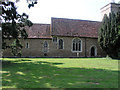
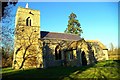
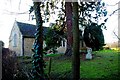
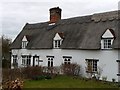
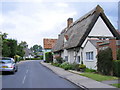
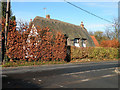
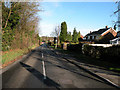
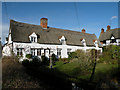
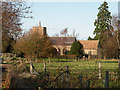
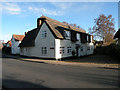
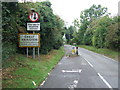
Area Information
Living in CB21 6WU means calling a small residential cluster in south-eastern Cambridgeshire home, just seven to eight miles south-east of Cambridge. This specific postcode covers an area with a population of 1,286 people, creating a quiet but connected settlement. The location sits near the Essex border, dividing the village of Great Abington from Little Abington by the River Granta. Residents enjoy proximity to significant historical landmarks, including the parish church of St Mary, which features a 13th-century west tower and spire, and the historic Abington Hall estate founded in 1946 as The Welding Institute. The area balances rural character with modern convenience. While the landscape is mainly agricultural, modern housing estates have attracted Cambridge commuters seeking a village feel without the city noise. The character of CB21 6WU is defined by a vibrant community sense supported by local businesses and sporting clubs. You have access to landmarks such as Granta Park, a science park specialising in biomedical research, and historic routes like the former Icknield Way. The postcode represents a mix of ancient history, dating back to the Domesday Book, and contemporary life in a district known for its proximity to Cambridge's high-tech economy. This blend allows residents to access city amenities while maintaining a slower pace of life in a village setting.
- Area Type
- Postcode
- Area Size
- Not available
- Population
- 1286
- Population Density
- 188 people/km²
The housing market in CB21 6WU is fundamentally an owner-occupied sector, with 71 per cent of homes held by their owners. Houses constitute the main accommodation type, aligning with the area's classification as a rural village with modern housing estates. This high ownership rate means the local property market reflects the decisions of settled families rather than transient users. Buyers looking at this area should expect a stock consisting primarily of traditional village housing mixed with developments catering to Cambridge commuters. The residential cluster is distinct from the broader major urban centres nearby. The high proportion of owner-occupied homes suggests that local demand is driven by people seeking a permanent base rather than rental investment. This dynamic typically creates a stable market where homes are sold on specific long-term needs. The location near Great Abington offers a specific type of property experience, combining agricultural surroundings with the infrastructure of a commuter belt. Prospective buyers find here a market that values privacy and space, consistent with the 188 people per square kilometre density figure. The presence of specific named estates and the historical context of the land add depth to the property portfolio available to those searching for homes in this postcode.
House Prices in CB21 6WU
No properties found in this postcode.
Energy Efficiency in CB21 6WU
Residents of CB21 6WU have access to a range of shopping and leisure options within practical reach. The area features five retail outlets, including Spar Harbest, Spar Abington Stores, and the Co-op in Linton. These supermarkets provide everyday necessities without requiring travel to Cambridge. Local character is enhanced by The Three Tuns, a 17th-century pub that serves as a historic gathering point in Great Abington. Granta Park, a major employer of biomedical researchers, lies adjacent to the village, suggesting an affluent scientific community nearby. Beyond shopping, the area offers access to three railway stations for longer journeys. The combination of local shops and national rail links creates a balanced lifestyle where you can buy daily items locally while travelling further afield when needed. The village also supports local businesses and sporting teams like football and cricket clubs, fostering a sense of community. History enthusiasts will appreciate the nearby parish church of St Mary and landmarks such as Abington Hall. The area benefits from being part of a corridor connecting Cambridge to Colchester. This mix of rural amenities, retail convenience, and historical sites defines the daily experience for anyone living in this postcode.
Amenities
Schools
Families in CB21 6WU have access to specific educational facilities within practical reach. The most notable option is Great Abington Primary School, which holds a good Ofsted rating. This primary institution serves the local village community and caters to the children of the 1,286 residents living in the surrounding cluster. The school's good rating indicates a standard of education that meets the expectations of many parents in the district. While this postcode specifically covers a small residential cluster, the presence of Great Abington Primary School suggests a concentration of younger families in the immediate vicinity. Prospective homebuyers evaluating the area for schooling purposes will find this named school as a key asset. The school's location within the village of Great Abington provides direct access without the need for travelling to larger urban centres. The availability of a rated primary school supports the area's appeal to those prioritising early education. For families considering homes in CB21 6WU, this named facility offers a reliable starting point for their educational plans. The specific Ofsted rating provides a clear metric for quality when comparing this option against alternatives in the wider region.
| Rank | School | Type | Entry gender | Ages |
|---|
Explore more schools in this area
Go to Schools tabDemographics
The community in CB21 6WU is defined by a mature population with a median age of 47 years. Adults between the ages of 30 and 64 form the most common age range in this cluster. This demographic profile suggests a stable neighbourhood where established families and retirees coexist. Home ownership stands at a solid 71 per cent in the area, indicating that most residents have purchased their properties rather than renting. Houses remain the predominant form of accommodation, fitting the rural village character described in local records. The predominant ethnic group is White, reflecting the traditional demographic makeup of many rural Cambridgeshire settlements. With a population density of 188 people per square kilometre, the area avoids the congestion of urban living while remaining accessible to essential services. The high level of home ownership implies that the local economy supports long-term stability. Families and long-term residents benefit from a settled community atmosphere where neighbours often know one another. This stability contrasts with the faster-paced commuter towns nearby, offering a different type of social environment where property values are likely influenced by the quality of the local school and access to the wider Cambridge labour market without the pressure of short-term tenancies.
Household Size
Accommodation Type
Tenure
Ethnic Group
Religion
Household Composition
Age
Household Deprivation
NS-SEC
Explore more demographic insights in this area
Go to Demographics tabPlanning
Planning Constraints
- Flood RiskPremium
- Ramsar Wetland SitesPremium
- Area of Outstanding Natural BeautyPremium
- Protected Nature ReservePremium
- Protected WoodlandPremium