Area Overview for CB1 6JU
Photos of CB1 6JU

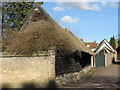
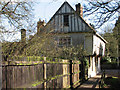

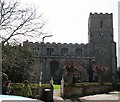
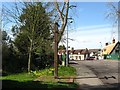


Area Information
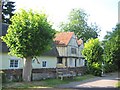
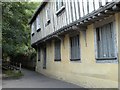
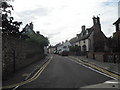
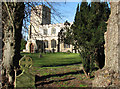
Living in CB1 6JU means residing in Linton, a village and civil parish situated in Cambridgeshire on the border with Essex. This specific postcode cluster covers a small residential area with a population of 1,478 people. The location lies approximately eight miles southeast of Cambridge along the B1052 road, functioning as a dormitory settlement that has expanded significantly since the 1960s. While the area contains historic elements, including over 120 listed buildings, it remains tightly knit due to its modest population density of 130 people per square kilometre. The character of CB1 6JU blends a large village structure with modern housing needs. The land is largely free from major planning constraints, avoiding protected status for Ramsar wetland sites, areas of outstanding natural beauty, or specific nature reserves and woodlands. This sits alongside St Mary's Parish Church, which stands on the River Granta and has been part of the community for over 800 years. Residents benefit from a location that balances local historical charm with practical proximity to wider urban centres. Linton operates as a market town and head of the former Linton Poor Law Union, maintaining a distinct identity separate from the larger city it serves as a satellite for.
- Area Type
- Postcode
- Area Size
- Not available
- Population
- 1478
- Population Density
- 130 people/km²
The property market in CB1 6JU is defined by a stable, owner-occupied sector. With 77% of residents owning their homes, the area functions as a primary residence hub rather than a rental hotspot. This high ownership percentage typically correlates with higher average tenure and a community invested in maintaining property standards. The accommodation type is exclusively houses, meaning buyers will find detached, semi-detached, or terraced homes rather than flats or bungalows typically found in urban centres. This specific postcode cluster represents a small residential area where land values may be influenced by the potential to build conservatories or out-buildings common in high-ownership villages. Property buyers here purchase into an established market where demand relies on the scarcity of available detached homes rather than conversion projects. The lack of flats means the playing field is limited to standalone houses. This market distinction is crucial for those avoiding the mobility of renting or preferring to attach gardens to their dwellings. The historical context of the area, with over 120 listed buildings, also suggests a market where renovation constraints can exist alongside the high demand for tangible assets.
House Prices in CB1 6JU
No properties found in this postcode.
Energy Efficiency in CB1 6JU
Daily life in CB1 6JU benefits from a compact selection of amenities within practical reach. Retail options include five shops serving the local population, specifically Co-op Linton, Spar - Abington Stores, and Spar Harvest. These venues provide essential groceries and daily necessities without requiring a journey into Cambridge. For those who must travel, rail connectivity is supported by two stations: Great Chesterford Railway Station and Whittlesford Parkway Railway Station. These stations facilitate trips to Cambridge and beyond, ensuring work or leisure destinations remain accessible. Beyond shopping, the lifestyle is enriched by significant historical and natural features. Linton Zoo sits on the southern edge of the parish, offering leisure time for families and tourists interested in local wildlife. To the north, Chilford Hall and its vineyards add a touch of countryside elegance and provide dining or agritourism options. The historic St Mary's Parish Church, established over 800 years ago, anchors the community at the heart of the High Street. With over 120 listed buildings, the surroundings offer a visual landscape of history. This balance of local retail, historical sites, and natural attractions creates a varied environment for residents seeking both convenience and scenic quality.
Amenities
Schools
Families considering homes in CB1 6JU have access to three key educational institutions nearby. Linton Village College appears twice in the local data, operating both as a primary school and as an academy with a specific Ofsted rating of "good". This dual status suggests a comprehensive approach to education serving different stages of development within the same institution. Parents will appreciate the "good" rating attached to the academy designation, which signals a standard of education meeting required benchmarks. Additionally, Granta School serves as a nearby special school option. This provides a necessary resource for families requiring specialist educational support, ensuring comprehensive care within the immediate vicinity. The absence of other secondary schools or infant schools listed for this cluster indicates a dependency on these specific providers for local education needs. The concentration of educational facilities in close proximity to the postcode area aligns well with the demographic reality of a 30-64 age group raising children. Families can expect a focused network where the primary academy plays a central role in the local community life, supported by a dedicated special needs centre.
| Rank | School | Type | Entry gender | Ages |
|---|
Explore more schools in this area
Go to Schools tabDemographics
The community in CB1 6JU is distinctly mature and stable. The median age for residents is 47 years, with the most common age range falling between 30 and 64 years. This profile suggests a neighbourhood dominated by adults stabilising their lives or supporting younger families rather than high youth density. Home ownership stands at an exceptionally high level of 77%, indicating a strong sense of permanence and investment in local property values. Accommodation within CB1 6JU consists primarily of houses, reflecting the village setting and the preference for detached or semi-detached living over flats or apartments. The demographic data shows White as the predominant ethnic group, aligning with the traditional county demographics found in parts of East Anglia. These figures describe a quiet, established environment where long-term residents likely dominate the streets. The high ownership rate combined with the specific age bracket points towards families with children and couples older than early parenthood years. This demographic structure supports local service demands focused on education, leisure, and retail rather than transient housing needs or student accommodation.
Household Size
Accommodation Type
Tenure
Ethnic Group
Religion
Household Composition
Age
Household Deprivation
NS-SEC
Explore more demographic insights in this area
Go to Demographics tabPlanning
Planning Constraints
- Flood RiskPremium
- Ramsar Wetland SitesPremium
- Area of Outstanding Natural BeautyPremium
- Protected Nature ReservePremium
- Protected WoodlandPremium