Area Overview for CB1 6HZ
Photos of CB1 6HZ
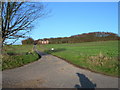

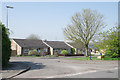

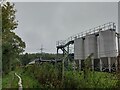

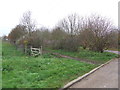

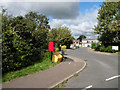
Area Information
Living in CB1 6HZ means residing in Linton, a village and civil parish situated on the border between Cambridgeshire and Essex. This specific postcode covers a small residential cluster home to a population of 1,478 people. The area an average distance of 8 miles from Cambridge, positioned along the B1052 road. Linton has evolved significantly since the 1960s, transforming from a historic market town into a modern dormitory settlement for the city. You will find over 120 listed buildings lining the local High Street, including Grade II* structures and churches dating back over 800 years. The village atmosphere blends these historic elements with contemporary housing developments designed for families and commuters. Residents enjoy proximity to the River Granta, where St Mary's Parish Church stands, and the southern edge features Linton Zoo. To the north, you can access Chilford Hall and vineyards. This location offers a distinct character where a market charter granted in 1246 meets the needs of modern homebuyers seeking a slower pace of life while remaining connected to major urban centres. The density here is manageable at 130 people per square kilometre, ensuring a strong sense of community without urban congestion.
- Area Type
- Postcode
- Area Size
- Not available
- Population
- 1478
- Population Density
- 130 people/km²
The property market in CB1 6HZ is defined by a predominantly owner-occupied landscape. Data shows that 77% of households own their homes, establishing this as an investment area rather than a rental hub. This high ownership rate means you are likely to encounter twice-mover families looking to upgrade or sell rather than mobile tenants. Houses constitute the main accommodation type, reflecting the rural and village nature of the built environment. You will find large residential clusters typical of dormitory settlements that expanded significantly during and after the 1960s. This expansion has added modern housing to the historic core, which features over 120 listed buildings. For buyers, this market structure implies strong local attachment and a steady demand from those seeking a foothold in Linton. The specific postcode CB1 6HZ acts as a small residential cluster within the wider village, offering a regulated and predictable property environment. Families often move here to secure equity and build wealth, attracted by the blend of historic charm and modern convenience. The dominance of home ownership also influences local values, fostering a community where property is seen as a legacy asset.
House Prices in CB1 6HZ
No properties found in this postcode.
Energy Efficiency in CB1 6HZ
Daily life in CB1 6HZ revolves around practical convenience and access to local services within walking or short driving distance. You will find five notable retail outlets nearby, including Co-op Linton, Spar - Abington Stores, and Spar Harvest. These supermarkets provide essentials without requiring long journeys to Cambridge. For rail travel, two stations serve the wider area effectively: Great Chesterford Railway Station and Whittlesford Parkway Railway Station. This proximity links you to the national rail network for commuting or leisure. Beyond shopping and transport, the area offers significant leisure value through Linton Zoo on the southern edge and Chilford Hall and vineyards to the north. Over 120 listed buildings line the High Street, creating an architecturally interesting environment for walks and exploration. The area near the River Granta stands near St Mary's Parish Church, offering historical interest and natural beauty. You can dine or shop locally while supporting independent high street culture. The village character provides a quiet backdrop to these amenities, avoiding the hustle of a major city centre.
Amenities
Schools
Families living in CB1 6HZ have access to a small but specialised mix of educational institutions nearby. Linton Village College serves as a local primary school, providing early education for young children. For those requiring special educational needs support, Granta School is available as a special school option. Alternatively, Linton Village College also operates as an academy, holding a good Ofsted rating. This dual presence suggests a focus on local education quality and specific needs rather than a sprawling system of secondary options immediately bound. Residents will typically need to transport children to rural primary settings or rely on the academy designation for continuity. The mix of primary and special provision reflects the small population size of 1,478, meaning larger comprehensive schools are not present on the doorstep. You must look slightly beyond this immediate postcode for secondary education options. However, the good rating attached to Linton Village College as an academy offers reassurance regarding academic standards and institutional stability. This specific combination of schools caters to a niche demographic within the surrounding villages.
| Rank | School | Type | Entry gender | Ages |
|---|
Explore more schools in this area
Go to Schools tabDemographics
The community in CB1 6HZ reflects a stable, established population with a median age of 47 years. Adults between the ages of 30 and 64 form the most common age range, indicating a settled neighbourhood where families have raised children and stayed. This age profile suggests a low level of transient renting and a preference for long-term stability. Home ownership is very high in this area, with 77% of residents owning their properties outright or with a mortgage. Such a high proportion of ownership points to a community that values investment and permanence. The predominant ethnic group is White, consistent with the broader demographic makeup of rural Cambridgeshire. Houses make up the primary accommodation type, aligning with the village character rather than urban high-rise living. With a population density of 130 people per square kilometre, the area avoids the overcrowding associated with larger cities. This secular, home-centric demographic creates a neighbourhood where local schools remain central to daily life and where residents share similar life stages and community values.
Household Size
Accommodation Type
Tenure
Ethnic Group
Religion
Household Composition
Age
Household Deprivation
NS-SEC
Explore more demographic insights in this area
Go to Demographics tabPlanning
Planning Constraints
- Flood RiskPremium
- Ramsar Wetland SitesPremium
- Area of Outstanding Natural BeautyPremium
- Protected Nature ReservePremium
- Protected WoodlandPremium