Area Overview for CB1 6HR
Photos of CB1 6HR
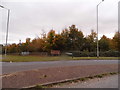
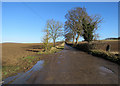
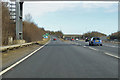
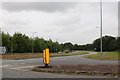
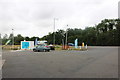
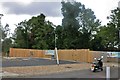

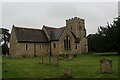
Area Information
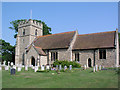
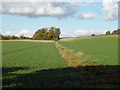
CB1 6HR is a small, tightly knit residential postcode in south-east Cambridgeshire, nestled within the village of Great Abington. With a population of 1,286 and a density of 188 people per square kilometre, it reflects a rural yet accessible community, just 7–8 miles from Cambridge. The area blends historical charm with modern convenience, bounded by the River Granta and the A11. Great Abington, part of the Abingtons with its 13th-century church and 17th-century pub, offers a village feel with a primary school, sports teams, and local businesses. Its proximity to Cambridge and the Granta Park science park makes it appealing to commuters and professionals. The area’s character is shaped by agricultural land, 1930s housing estates, and a heritage rooted in medieval manors and Bronze Age barrows. Living here means balancing rural tranquillity with easy access to urban amenities, all within a community described as vibrant yet low-key.
- Area Type
- Postcode
- Area Size
- Not available
- Population
- 1286
- Population Density
- 188 people/km²
CB1 6HR is primarily an owner-occupied area, with 71% of homes owned by residents rather than rented. The accommodation type is predominantly houses, which is typical for rural villages but contrasts with the higher density of flats or apartments found in urban areas. This suggests a housing stock that is family-friendly and suited to those seeking space and privacy. The small size of the postcode means the market is limited, with few properties available at any given time. Buyers should consider the proximity to Cambridge for commuting, as the area’s appeal lies in its balance of rural living and access to city amenities. The presence of modern housing estates from the 1930s, alongside traditional village homes, reflects a mix of architectural styles. For those seeking a quiet, low-density environment, CB1 6HR offers a niche market with potential for long-term value.
House Prices in CB1 6HR
No properties found in this postcode.
Energy Efficiency in CB1 6HR
CB1 6HR offers a blend of rural simplicity and practical amenities. Within walking or cycling distance are five retail spots, including Spar stores and M&S Whittlesford, providing everyday essentials. The village itself has a traditional pub, The Three Tuns, dating to the 17th century, and local businesses that support community events. Sports teams and clubs, such as football and cricket, add to the social fabric. The nearby Granta Park, home to The Welding Institute and biomedical research firms, offers professional opportunities, while the village’s agricultural roots provide a peaceful backdrop. The combination of shops, transport links, and local activities creates a lifestyle that balances convenience with a slower pace. For those valuing community engagement and access to urban amenities, CB1 6HR provides a compact yet functional environment.
Amenities
Schools
The nearest school to CB1 6HR is Great Abington Primary School, which serves the local community with a good Ofsted rating. This school is the only primary institution listed in the data, meaning families with younger children can access quality education locally. However, secondary schooling would require travel to nearby towns such as Cambridge or Saffron Walden. The absence of secondary schools in the immediate area is a practical consideration for families planning long-term in the village. The primary school’s good rating indicates a focus on educational standards, which is a key factor for homebuyers prioritising schools. For those seeking a community with strong local education infrastructure, CB1 6HR offers a solid foundation, though further research into secondary options would be necessary.
| Rank | School | Type | Entry gender | Ages |
|---|
Explore more schools in this area
Go to Schools tabDemographics
The population of CB1 6HR is predominantly middle-aged, with a median age of 47 and the most common age range being 30–64 years. This suggests a stable, mature community with strong family ties. Home ownership is high at 71%, with houses making up the majority of accommodation types. The predominant ethnic group is White, reflecting the area’s traditional demographic profile. The low population density and focus on owner-occupied homes indicate a settled, long-term resident base rather than a transient rental market. The absence of specific deprivation data means no direct commentary on economic hardship, but the high home ownership rate and age profile suggest a community prioritising stability and long-term investment. This aligns with the area’s character as a rural village with a strong sense of local identity.
Household Size
Accommodation Type
Tenure
Ethnic Group
Religion
Household Composition
Age
Household Deprivation
NS-SEC
Explore more demographic insights in this area
Go to Demographics tabPlanning
Planning Constraints
- Flood RiskPremium
- Ramsar Wetland SitesPremium
- Area of Outstanding Natural BeautyPremium
- Protected Nature ReservePremium
- Protected WoodlandPremium