Area Overview for CB1 6EY
Photos of CB1 6EY
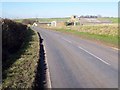
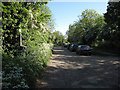
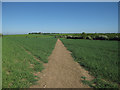
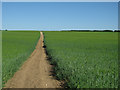
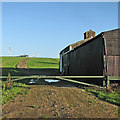
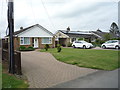
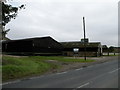
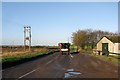
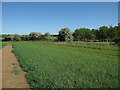
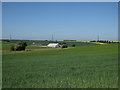
Area Information
Abington, located within the CB1 6EY postcode, represents a small residential cluster in South Cambridgeshire. This specific area serves a population of 1,433 people across approximately 1,831 hectares of land. The village sits roughly 10 miles south-east of Cambridge, offering residents a rural setting with low population density averaging 50 people per square kilometre. Balsham, the village centered on this postcode, carries significant historical weight. First mentioned in the 11th century, the location was devastated by Viking raiders in 1015. A sign on the village green commemorates the sole survivor who hid in the parish church during that attack. The area also claims notable historical figures, including Hugh de Balsham, who founded Peterhouse, Cambridge. Today, the community blends these historic elements with modern housing developments that have expanded significantly since the 1960s. Living in CB1 6EY means experiencing a balance between a quiet rural environment and proximity to a historic county town. The land rises from the A11 road in the north, providing varied topography within the parish. This postcode area defines a specific residential community where history and modern life coexist.
- Area Type
- Postcode
- Area Size
- Not available
- Population
- 1433
- Population Density
- 50 people/km²
The housing market in CB1 6EY is defined by its dominance of Houses and high owner-occupation rates. Approximately 70% of homes in this postcode are owner-occupied, creating a market that differs significantly from rental-heavy urban centres. This high percentage suggests that buyers looking at this area are purchasing to stay, not merely renting for temporary tenure. The accommodation type data confirms that the stock is principally comprised of Houses, catering to families and established professionals. This contrasts sharply with developments in larger cities where flats and apartments might dominate the landscape. When searching for homes in CB1 6EY, you are entering a market where equity and ownership are the norm. The low population density of 50 people per square kilometre further reinforces the desirability of detached or semi-detected properties over terraced housing. There is little evidence of a temporary housing crisis or a surge in short-term rentals. The residential cluster supports a traditional property model where ownership provides long-term security. Buyers should expect a market where prices reflect the cost of the land and the specific charm of the rural setting. The mix of historic and modern elements in the village ensures a varied stock of properties available for purchase.
House Prices in CB1 6EY
No properties found in this postcode.
Energy Efficiency in CB1 6EY
Residents of CB1 6EY enjoy a range of amenities within practical reach of their daily commutes. The area hosts five notable retail outlets, including Co-op Linton, Spar Harvest, and Spar - Abington Stores. These shops provide essential goods and daily necessities without requiring long travel times. While the rural setting might suggest isolation, the presence of these specific stores ensures convenience for routine errands. Further transport links are available through Dullingham Railway Station, connecting you to wider networks. Beyond immediate shopping, the village of Balsham offers historical and cultural depth. Holy Trinity Church features a 13th-century bell tower and a raised chancel roof, serving as a landmark for the community. The area also connects residents to the mythical Shug Monkey narrative found in the stretch between Balsham and West Wratting. Living in CB1 6EY grants access to this rich heritage alongside modern conveniences. The lifestyle blends quiet village living with the ability to reach local shops quickly. The A11 runs nearby, facilitating easy travel north and west. You have the choice of a peaceful life with reasonable access to services.
Amenities
Schools
Families seeking education options for children in CB1 6EY have access to specific local institutions. The primary education is provided by Meadow Primary School. This school holds a 'good' rating from Ofsted, which places it in a higher bracket of performance. As the type is primary, this facility caters to younger children up to the end of Key Stage 2. There are no secondary schools or special educational needs colleges listed in the immediate data for this specific postcode. This means that once children exceed the primary school age, they must travel to other established schools beyond the immediate residential cluster. The presence of a rated primary school ensures that basic educational needs are met within the village environment. For parents, the 'good' rating offers reassurance regarding the standard of teaching and facilities provided by Meadow Primary School. While the area does not offer a full range of academic pathways, the proximity of a solid primary institution supports the interests of families with young children. The school serves as a key anchor for the community, reflecting the needs of the steady demographic profile of the neighbourhood.
| Rank | School | Type | Entry gender | Ages |
|---|
Explore more schools in this area
Go to Schools tabDemographics
The community within CB1 6EY has a clear demographic profile skewed towards adult life. The median age here stands at 47 years, indicating that Adults aged between 30 and 64 years represent the most common age range. This aligns with an area where stability and long-term residence are evident. Home ownership stands at a high rate of 70%, suggesting that the majority of households possess equity in their properties rather than renting. This figure indicates a stable resident base where families have likely been in their current homes for many years. The predominant ethnic group in this neighbourhood is White, reflecting the traditional composition of many rural villages in the region. Accommodation types consist primarily of Houses, which fits the rural character of Balsham and the surrounding parishes. With a population density of only 50 people per square kilometre, the community avoids the pressing issues of urban overcrowding. You are unlikely to encounter high levels of transient housing or student populations within this specific cluster. The demographic data paints a picture of a settled, established community where residents have rooted themselves in the local landscape. This profile makes the area attractive for those seeking a settled life away from the volatility of student towns.
Household Size
Accommodation Type
Tenure
Ethnic Group
Religion
Household Composition
Age
Household Deprivation
NS-SEC
Explore more demographic insights in this area
Go to Demographics tabPlanning
Planning Constraints
- Flood RiskPremium
- Ramsar Wetland SitesPremium
- Area of Outstanding Natural BeautyPremium
- Protected Nature ReservePremium
- Protected WoodlandPremium