Area Overview for CB1 6AJ
Photos of CB1 6AJ
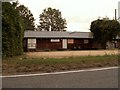
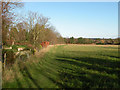
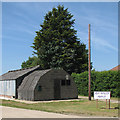
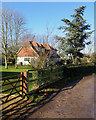
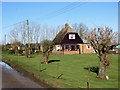
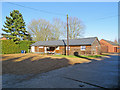

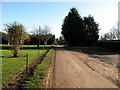
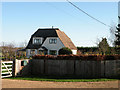
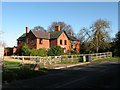
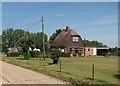
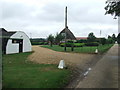
Area Information
Great Abington stands as a rural village and civil parish within south-eastern Cambridgeshire, situated approximately seven to eight miles south-east of Cambridge. The area forms part of a larger cluster known as The Abingtons, divided from neighbouring Little Abington by the River Granta. Although the specific postcode area of CB1 6AJ covers a small residential cluster with a population of 1,286, it benefits from a low population density of 188 people per square kilometre. This setting offers a distinct separation from urban density while providing practical access to the wider region. Residents enjoy a lifestyle defined by proximity to agricultural land and a sense of space that contrasts with larger neighbour villages. The village is located on historic routes connecting Cambridge to Colchester, bordered to the west by the A11. While the former railway line to Haverhill closed in 1967, modern transport options remain accessible. The coordinates around 52.117911, 0.228348 place the community in a strategic position between urban commuter traffic and rural tranquility. Living in this postcode means balancing country character with connectivity to major employment hubs. The area appeals to those seeking a home outside the immediate city centre while maintaining reasonable travel times to Cambridge. The historical significance of the site, dating back to the Domesday Book, adds depth to the community without compromising modern utility.
- Area Type
- Postcode
- Area Size
- Not available
- Population
- 1286
- Population Density
- 188 people/km²
The property market in CB1 6AJ is defined by a strong preference for owner-occupied housing. With 71% of homes owned outright or with a mortgage, the area functions primarily as a residential community for those seeking stability. The accommodation type data confirms that houses dominate the housing stock, offering varied layouts suitable for different family sizes. This predominance of detached or semi-detached housing means that buyers will find typical suburban or rural house configurations rather than shared flats or studios. For those looking to purchase homes in this postcode, the high ownership rate implies a slower turnover rate compared to rental-heavy districts. Prospective buyers should anticipate a market where local owners are less likely to sell quickly, potentially requiring a lower offer or a longer viewing window. The small population of 1,286 limits the total inventory available, making specific properties somewhat scarce. The lack of flats in the data suggests that luxury city apartment living is not a feature of this location, creating a distinct alternative to urban housing options. Buyers seeking properties in Great Abington will find an environment characterised by established gardens and landscaping due to the nature of the housing stock. The combination of recent land settlement history from the 1930s and modern housing estates means the area contains a mix of older and newer properties. This variety allows purchasers to choose between characterful older homes or more contemporary builds. The 71% ownership figure ensures that rent control issues or tenant uncertainty remain outside the typical concerns for a buyer entering this specific market segment.
House Prices in CB1 6AJ
No properties found in this postcode.
Energy Efficiency in CB1 6AJ
Daily life in CB1 6AJ revolves around a village character enhanced by specific retail and leisure facilities. Residents have access to five retail outlets within easy practical reach, including Spar Abington Stores, Spar Harvest, and the M&S Whittlesford Cambridge BP on the A11. These amenities provide essential shopping needs without requiring long urban excursions. For dining, The Three Tuns offers a historic pub environment dating back to the 17th century, serving as a focal point for community social activities. The local economy relies heavily on agriculture and the science sectors nearby, with five farms employing locals and Granta Park hosting major employers like The Welding Institute. This mix supports a quiet lifestyle balanced with economic opportunity. The area features significant historical landmarks such as the Parish church of St Mary, which dates mainly to the 13th century. Historical Bronze Age barrows, Roman burial grounds, and the medieval Brent Ditch add layers of interest for those exploring the local past. Granta Park sits adjacent to The Welding Institute, establishing the area as a key hub for biomedical research. Residents benefit from proximity to these scientific industries, which drive the local economy. The village retains a community feel through local sports teams playing football and cricket, further engaging adults aged 30 to 64. Historical sites include the Abington Hall estate, sold in 1929, which subsequently influenced local housing patterns. These features create a lifestyle that values history, nature, and community interaction alongside modern convenience provided by nearby retail chains and transport links.
Amenities
Schools
Education provision near CB1 6AJ offers clear options for families residing in the village. Great Abington Primary School serves the local community and holds an Ofsted rating of good. This status indicates that the school meets high standards of educational quality and leadership according to government inspection criteria. As the only primary school listed in the available data, it remains the central institution for early childhood education in the parish. Families with young children will rely on this primary school for their earliest years, with secondary education options located further away. The singular presence of a good-rated primary school provides reassurance regarding the fundamentals of local education. Residents living in CB1 6AJ benefit from a school that has demonstrated consistent performance, though the area lacks the density of multiple primary institutions found in larger towns. The proximity of this school aligns with the rural character of the village, meaning travel times to school are likely short for most local pupils. While secondary school details are not provided in the current data, the presence of a good primary school forms the foundation of the educational catchment. Parents considering homes in this area must plan for secondary schooling beyond the immediate vicinity, potentially involving travel to Cambridge or other nearby hubs. The quality rating of Great Abington Primary School suggests that the local educational environment starts on a positive note for any child attending. This single strong data point highlights the importance of the village school in supporting the area's demographic of adult families.
| Rank | School | Type | Entry gender | Ages |
|---|
Explore more schools in this area
Go to Schools tabDemographics
The community in Great Abington reflects a mature household profile with a median age of 47 years. Adults aged between 30 and 64 years constitute the most common age range within the area, indicating a population that likely includes established families and empty nesters. This demographic structure suggests stability and long-term residency rather than transient populations. A significant majority of the 1,286 residents own their homes, with a home ownership rate standing at 71%. This high level of ownership points to an entrenched community where property transfer rates are generally lower than in high-end rental markets. Accommodation in the area predominantly consists of houses, diverging from the flat-based housing stock common in dense urban zones. The predominant ethnic group is White, aligning with the broader demographic trends of the Cambridgeshire countryside. For families considering homes in CB1 6AJ, the age profile suggests a neighbourhood suited to those with established careers or approaching retirement. The concentration of adults in the 30-64 bracket also indicates that the local services and amenities cater to practical family needs. This demographic snapshot confirms that the area attracts settled individuals rather than students or young professionals living in temporary digs. The low density further ensures that residents do not face the overcrowding often experienced in such small clusters.
Household Size
Accommodation Type
Tenure
Ethnic Group
Religion
Household Composition
Age
Household Deprivation
NS-SEC
Explore more demographic insights in this area
Go to Demographics tabPlanning
Planning Constraints
- Flood RiskPremium
- Ramsar Wetland SitesPremium
- Area of Outstanding Natural BeautyPremium
- Protected Nature ReservePremium
- Protected WoodlandPremium