Area Overview for CB1 3HD
Photos of CB1 3HD
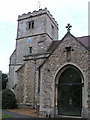
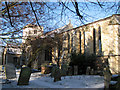
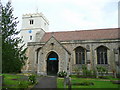
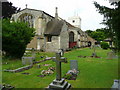
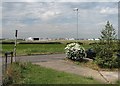
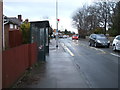
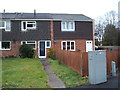
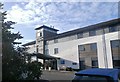
Area Information
Living in CB1 3HD means residing in Cherry Hinton, a specific residential cluster covering 1.5 hectares with a population of 1,897. This postcode sits on the south-eastern outskirts of Cambridge, approximately at 52.186254°N, 0.165448°E. The area originated from two separate settlements, Church End and Mill End, which merged into one village by the mid-19th century. A railway arrival in 1852 facilitated this unification and spurred development along the High Street. The name Cherry Hinton emerged in the mid-1500s from abundant cherry trees, previously known simply as Hinton. You are stepping back into a location first mentioned as Hintone in the Domesday Book of 1086, holding four mills for Count Alan. A Saxon church and cemetery with over 650 burials were discovered in 2000 at Church End, indicating pre-Norman activity in this specific postcode boundary. Today, St Andrew's Church dates from around 1100 and has been linked to Peterhouse College since the 1200s. Enclosure occurred in 1806, and Cherry Hinton Hall was built in the 1830s by surgeon John Okes. The parish abolished and merged with Cambridge in 1934. This section of the city retains its historical roots while serving as a modern residential hub. Homes in CB1 3HD offer proximity to significant local landmarks like Giant's Grave spring pool and the village green at Church End. The area maintains a distinct identity through these historical layers while functioning as a practical home for contemporary residents seeking a village feel on the city's edge.
- Area Type
- Postcode
- Area Size
- 1.5 hectares
- Population
- 1897
- Population Density
- 2149 people/km²
The property market in CB1 3HD is defined by its composition of houses and a solid base of owner-occupied homes. Fifty-eight per cent of residents own their properties, which signals a mature market where the majority of households have settled permanently. This high level of home ownership influences the nature of transactions within the area, often resulting in more negotiated sales rather than rapid lettings. The predominant accommodation type is houses, consistent with the area's history as a merger of two villages, Church End and Mill End. Buyers looking at homes in CB1 3HD should expect a stock that reflects the development patterns following the railway arrival in 1852 and the subsequent 19th-century growth. The area does not specialise in high-rise flats or purpose-built rental blocks. Instead, the housing stock mirrors the historical enclosure of 1806 and the construction of properties for local workers and gentry alike. When purchasing, you are entering a low-density environment where lots of land surround each property. The 1.5 hectare size of the postcode cluster limits sheer volume, meaning every available home sells with significant impact on local availability. Tenants form the remaining 42% of households, suggesting a healthy but not-dominated rental sector. The market operates independently of the massive student population found in city centre postcodes. You will find that the value here is driven by character and location rather than floor space density. The presence of Cherry Hinton Hall, owned by Cambridge City Council since 1839, adds a layer of amenity value to properties nearby.
House Prices in CB1 3HD
No properties found in this postcode.
Energy Efficiency in CB1 3HD
Your daily life in CB1 3HD benefits from immediate access to a curated selection of amenities. You can visit Tesco Cherry, Morrisons Daily, or Budgens Cherry for all your grocery needs, as all three supermarkets are listed within practical reach of this cluster. Retail options are concentrated to keep your essential shopping convenient. Leisure and relaxation options centre on Cherry Hinton Hall, built in 1839 in Elizabethan style. The hall, now owned by Cambridge City Council, features a public park, play area, and paddling pool. Tennis courts are also available here, catering to active residents. The landmark hosts the Cambridge Folk Festival annually, bringing external culture into the local scene for visitors and locals alike. For spiritual community life, the Baptist Chapel on Fisher's Lane, rebuilt in 1883, serves as a focal point. You can walk the historic path past St Andrew's Church, dating from around 1100, and the Giant's Grave spring pool. The village green at Church End offers space for informal recreation. Dining and socialising do not require a long drive; local pubs and eateries cluster around the High Street and Station Road. The area retains a village character despite the 1809 growth spurts and quarrying activities of the past. Living in CB1 3HD means you have a defined local hub without the noise of a larger urban zone.
Amenities
Schools
| Rank | School | Type | Entry gender | Ages |
|---|
Explore more schools in this area
Go to Schools tabDemographics
The community within CB1 3HD reflects a mature and settled population. The median age stands at 47 years, indicating that the most common age range for residents falls between 30 and 64 years old. This profile suggests a neighbourhood dominated by established working and retired professionals rather than young families or students. House ownership levels are robust, with 58% of residents owning their homes. This figure is higher than national averages for many urban fringe areas, pointing to significant long-term investment in the area. The predominant accommodation type consists of houses, reinforcing the family-oriented nature of the cluster. Ethnic diversity is represented, though White remains the predominant ethnic group within this specific postcode. You can expect a stable demographic environment where the majority of households have been in place for considerable periods. The high home ownership rate of 58% creates a stable voting block and community engagement level. Residents are likely to be deeply connected to local institutions like the Baptist Chapel on Fisher's Lane, rebuilt in 1883, and the historic Baptist Church established in the same year. The age structure means you will generally encounter experienced neighbours who value local amenities such as the tennis courts or the paddling pool at Cherry Hinton Hall. Understanding these figures helps clarify that this is not a transient area but one where residents put down permanent roots. The specific population density of 125,197 people per square kilometre reflects the compactness of this village cluster despite its total population of just under 1,900.
Household Size
Accommodation Type
Tenure
Ethnic Group
Religion
Household Composition
Age
Household Deprivation
NS-SEC
Explore more demographic insights in this area
Go to Demographics tabPlanning
Planning Constraints
- Flood RiskPremium
- Ramsar Wetland SitesPremium
- Area of Outstanding Natural BeautyPremium
- Protected Nature ReservePremium
- Protected WoodlandPremium