Area Overview for Castle Camps
Photos of Castle Camps
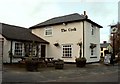
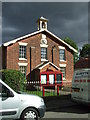
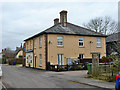
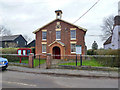
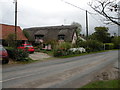
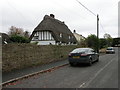
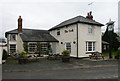
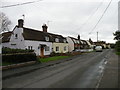
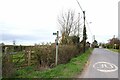
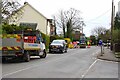
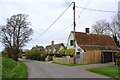
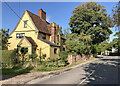
Area Information
Castle Camps is a compact built-up area in England, spanning 23.7 hectares. Its population is predominantly older, with a median age of 70, reflecting a community shaped by long-term residency. The area is characterised by a strong sense of local identity, with residents often owning their homes—75% of properties are owner-occupied. Daily life here is quiet and steady, with limited commercial activity but easy access to nearby towns like Haverhill, which hosts larger retail and service hubs. The small size of Castle Camps means it is not a bustling urban centre, but it offers a tranquil alternative for those seeking a slower pace. Residents benefit from proximity to essential amenities, including a primary school rated ‘good’ by Ofsted and a cluster of retail outlets within practical reach. While the area lacks the density of larger cities, its charm lies in its simplicity and the ease of navigating local needs without long commutes. For buyers, Castle Camps appeals to those prioritising stability, low crime rates, and a close-knit community over high-paced urban living.
- Area Type
- Built Up Area 250
- Area Size
- 23.7 hectares
- Population
- Not available
- Population Density
- Not available
Residents of Castle Camps have access to a modest range of amenities within practical reach. The nearest retail outlets include Sainsburys Haverhill, Iceland Haverhill, and Morrisons Daily, providing essential shopping options for groceries and household items. These stores are located in Haverhill, a short distance away, which means residents may need to travel for larger purchases or specialist goods. The area itself lacks dedicated parks or leisure facilities, but its proximity to Haverhill offers access to more extensive recreational spaces. The small size of Castle Camps means that daily life revolves around local needs, with a focus on convenience over variety. For those who prefer a self-contained lifestyle, the area’s amenities are sufficient for basic requirements, though it may not cater to those seeking a wide array of dining, entertainment, or cultural options.
Amenities
Schools
The nearest school to Castle Camps is the Castle Camps Church of England (Controlled) Primary School, which serves the local community with a ‘good’ Ofsted rating. This school is the only one explicitly listed in the data, indicating that families in the area rely on it for primary education. The absence of secondary schools or additional educational institutions suggests that students may need to travel to nearby towns like Haverhill for further schooling. The presence of a well-rated primary school is a key factor for families considering Castle Camps, as it provides a solid foundation for early education. However, the limited range of schools means that parents should factor in commuting time and resources when planning their children’s education. The school’s ‘good’ rating reflects its ability to meet educational standards, though it does not provide detailed insights into its curriculum or extracurricular offerings.
| Rank | A + A* % | School | Type | Entry gender | Ages |
|---|---|---|---|---|---|
| 1 | N/A | Castle Camps Church of England (Controlled) Primary School | primary | N/A | N/A |
Explore more schools in this area
Go to Schools tabDemographics
The population of Castle Camps is notably aged, with a median age of 70. This suggests a community where many residents have lived for decades, contributing to a stable and familiar social fabric. Home ownership is high at 75%, indicating a strong preference for long-term residency over rental properties. The data does not specify household composition or accommodation types, but the overall figures suggest a mix of family homes and single-occupancy properties. The absence of detailed diversity metrics means the area’s demographic profile is not fully defined, but the high home ownership rate and median age imply a settled population with limited turnover. For quality of life, this stability can be an advantage, though it may also mean fewer opportunities for new residents to integrate into the community. The area’s character is shaped by its older demographic, which influences local traditions and social dynamics.
Household Size
Accommodation Type
Tenure
Ethnic Group
Religion
Household Composition
Age
Household Deprivation
NS-SEC
Explore more demographic insights in this area
Go to Demographics tabPlanning
Planning Constraints
- Crime RiskLocked