Area Overview for Bylaugh
Photos of Bylaugh
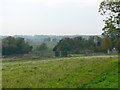
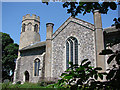
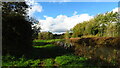
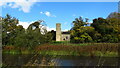
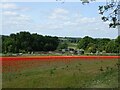
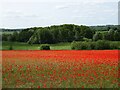
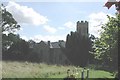
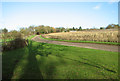
Area Information
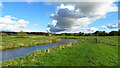
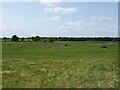
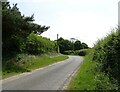
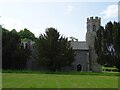
Living in Bylaugh offers a distinctly rural experience within a civil parish covering 6.4 km². This small community sits quiet in the English countryside, far removed from the rapid changes of larger urban centres. The area's limited size means residents interact frequently, creating an intimate neighbourhood where local events shape daily life. You will find a setting that prioritises peace over convenience, with green spaces dominating the landscape rather than high-rise developments or busy high streets. Daily routines centre around walking distances to local services, meaning many trips start on foot or by cycle rather than a car. The location appeals to those seeking a slower pace while remaining part of the broader county infrastructure. Homebuyers must weigh the tranquility against potential access limitations, as the village does not boast extensive commercial hubs within its bounds. Instead, facilities likely require travel to adjacent towns. The环境 is defined by its openness and lack of dense construction, providing a backdrop that feels untouched by modern sprawl. This makes Bylaugh a specific choice for individuals who value quiet over immediate urban proximity. Understanding this geographic reality helps you decide if the trade-off between isolation and calm suits your lifestyle needs.
- Area Type
- Parish
- Area Size
- 6.4 km²
- Population
- Not available
- Population Density
- Not available
Demographics
The community in Bylaugh displays a clear demographic shift towards older residents. The median age stands at 70, indicating that the population is significantly retired compared to the national average. Almost every household likely reflects this maturity, with children and young families forming a small minority of the local scene. Home ownership is exceptionally high, with 78% of dwellings owned outright. This figure suggests a settled community where most residents have lived there for decades rather than moving frequently. Household composition data confirms that families with young dependents are sparse, reinforcing the status of the area as a retirement destination. Accommodation types generally mirror this ownership trend, with terrace houses and detached bungalows probably outnumbering modern purpose-built flats. Diversity metrics show a predominantly white demographic, which aligns with typical rural patterns in this part of the country. Religion and ethnic diversity figures do not suggest significant minority populations within the parish boundaries. This homogeneity creates a stable social environment where traditions persist and changes happen slowly. Prospective buyers should expect a social circle defined by shared history rather than new arrivals. Deprivation levels are low, meaning financial hardship is rare among residents, contributing to the area's overall stability and reduced turnover rate.
Household Size
Accommodation Type
Tenure
Ethnic Group
Religion
Household Composition
Age
Household Deprivation
NS-SEC
Explore more demographic insights in this area
Go to Demographics tabPlanning
Planning Constraints
- Flood RiskPremium
- Ramsar Wetland SitesPremium
- Area of Outstanding Natural BeautyPremium
- Protected Nature ReservePremium
- Protected WoodlandPremium