Area Overview for Brumstead
Photos of Brumstead
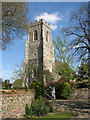
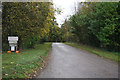
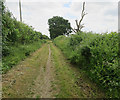
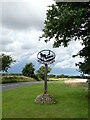
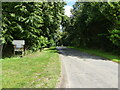
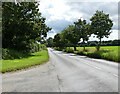
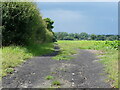
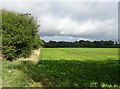
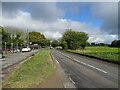
Area Information
Brumstead sits as a compact civil parish covering just 3.2 km² in England. It functions as a distinct locality within a larger rural context, offering a tightly knit environment where every street is easily accessible. Living in Brumstead means experiencing a suburb defined by its limited footprint, which fosters familiarity and close proximity to neighbours. The area stands apart from sprawling urban conurbations due to its small scale and specific administrative boundaries. You will find that daily life here revolves around the immediate village centre and the surrounding green spaces that define the parish limits. The small size of the settlement means that local services and community gatherings often bring residents together in a shared, intimate setting. This compact nature makes it ideal for those who prefer a settled routine and clear sightlines to what lies within and without the parish borders. The area's identity is rooted in its static geography and consistent community presence over many years. Prospective buyers seeking a defined, manageable neighbourhood will recognise the value in a location of this specific magnitude.
- Area Type
- Parish
- Area Size
- 3.2 km²
- Population
- Not available
- Population Density
- Not available
Demographics
The community within Brumstead reflects a mature and established population profile. Residing here, you encounter a median age of 70 years, indicating that the area is primarily inhabited by older residents. The demographic mix suggests a concentration of retirees or long-term inhabitants rather than a family-centric or young professional cohort. Household composition data points toward a stable population structure typical of retirement settlements or historic villages. With 74% of residents owning their homes, the community exhibits a very high level of settled ownership. This statistic confirms that the local housing stock is predominantly occupied by those with a long-term stake in Brumstead. The high ownership rate implies fewer landlords or transient tenants compared to nearby urban areas. Accommodation types vary, though the demographic age strongly suggests a prevalence of homes suitable for elderly living or large family residencies that remain empty following the birth of grandchildren. The social fabric here is characterised by stability rather than rapid change or high youth mobility. You are entering a neighbourhood where most neighbours have likely lived in their properties for decades.
Household Size
Accommodation Type
Tenure
Ethnic Group
Religion
Household Composition
Age
Household Deprivation
NS-SEC
Explore more demographic insights in this area
Go to Demographics tabPlanning
Planning Constraints
- Flood RiskPremium
- Ramsar Wetland SitesPremium
- Area of Outstanding Natural BeautyPremium
- Protected Nature ReservePremium
- Protected WoodlandPremium
- Crime RiskPremium