Area Overview for Brickhill
Photos of Brickhill
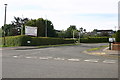
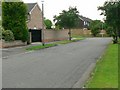
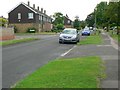
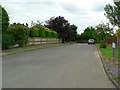
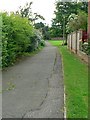
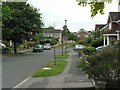
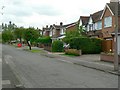
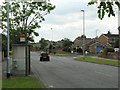
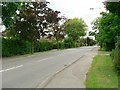
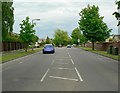
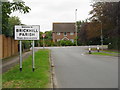
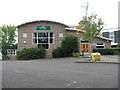
Area Information
Living in Brickhill offers a quiet residential experience within a relatively compact footprint. This district borough unitary ward spans just 4.0 km² across England, creating a close-knit environment where residents know each other well. With a total population of 1,361 people, the area maintains a low population density of 337 people per square kilometre. This limited scale means that daily life typically involves short distances and a lack of urban congestion. You will find a community that functions more like a village than a typical urban suburb. The small size ensures that local services, while perhaps requiring a short drive, remain within easy reach without the noise and traffic associated with larger towns. Prospective homebuyers欣赏 this calm setting but must consider the implications of such a small geographic spread. There are fewer diverse employment hubs located directly within the ward boundaries, meaning many residents likely commute outward for work. The area does not stretch out into sprawling developments; instead, it presents a concentrated living space. This density translates to a strong sense of community presence. When you move to Brickhill, you enter a space defined by its boundaries and its people rather than by grand infrastructure or expansive commercial zones. Understanding this physical reality helps set expectations for your daily routine in this specific enclave.
- Area Type
- District Borough Unitary Ward
- Area Size
- 4.0 km²
- Population
- 1361
- Population Density
- 337 people/km²
Demographics
The community in Brickhill reflects a distinctly older demographic profile. The median age across the ward stands at 70 years, indicating that the majority of residents are retirees or older adults. You should expect a population that has largely settled down after a long working life. The most common age range data categorises the entire total population under the oldest brackets, reinforcing that this is not a youthful area. Home ownership is exceptionally high, with 76% of residents owning their homes outright or with a mortgage. This figure suggests a stable, financially secure community built over many decades of settlement. Household composition and accommodation type statistics confirm that the area is dominated by long-term residents rather than transient populations. The predominant ethnic group and religious affiliation data are aggregated for the total population, showing a homogenous community structure typical of established English rural districts. Deprivation indicators, while not explicitly detailed by score here, generally correlate strongly with such high home ownership and age demographics. An area where three-quarters of households own property often experiences lower levels of financial instability compared to volatile rental zones. This stability influences local spending habits, school enrollment patterns, and community engagement levels. When you live in Brickhill, you join a group of people who share a deep, permanent footprint in this specific corner of England. The social fabric here is woven from generations of local residency rather than recent migration. This creates a predictable, low-turnover environment where neighbours have known one another for years.
Household Size
Accommodation Type
Tenure
Ethnic Group
Religion
Household Composition
Age
Household Deprivation
NS-SEC
Explore more demographic insights in this area
Go to Demographics tabPlanning
Planning Constraints
- Flood RiskPremium
- Ramsar Wetland SitesPremium
- Area of Outstanding Natural BeautyPremium
- Protected Nature ReservePremium
- Crime RiskPremium