Area Overview for Brancaster
Photos of Brancaster
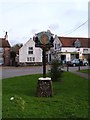
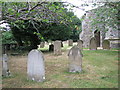
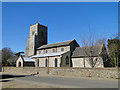
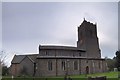
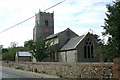
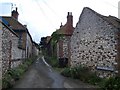
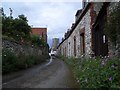
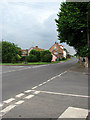
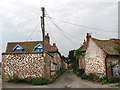
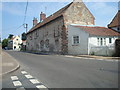
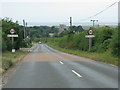
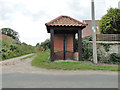
Area Information
Brancaster is a compact built-up area in England, spanning 48.8 hectares. Its population is predominantly older, with a median age of 70, suggesting a community shaped by long-term residents. The area’s modest size means it is likely a quiet, tightly knit place, with a focus on local amenities and nearby services. For those considering living here, the presence of two primary schools—Brancaster Church of England Voluntary Aided Primary School and Brancaster CofE Primary Academy—offers convenience for families. While the area’s home ownership rate stands at 67%, it is not an exclusive market, with a mix of owner-occupied and rented properties. Daily life in Brancaster appears to revolve around local retail, with a Spar store providing basic necessities. Its small footprint and older demographic suggest a slower pace of life, ideal for those seeking tranquillity over urban vibrancy.
- Area Type
- Built Up Area 250
- Area Size
- 48.8 hectares
- Population
- Not available
- Population Density
- Not available
The lifestyle in Brancaster is modest, with limited amenities within practical reach. The nearest retail option is a Spar store, which provides basic groceries and essentials, reflecting the area’s focus on convenience rather than variety. Beyond retail, no other specific venues or leisure facilities are listed in the data, suggesting that residents may need to travel to nearby towns for more extensive shopping, dining, or recreational options. The absence of detailed information on parks, restaurants, or cultural attractions means that the area’s character is defined more by its quiet, localised services than by vibrant public spaces. For those prioritising a low-maintenance lifestyle with easy access to essentials, Brancaster’s amenities may be sufficient, but it lacks the diversity of offerings found in larger towns or cities.
Amenities
Schools
Brancaster is served by two primary schools: Brancaster Church of England Voluntary Aided Primary School and Brancaster CofE Primary Academy. Both institutions are primary-level, catering to younger children, but no Ofsted ratings or academic performance data are available in the dataset. The presence of two primary schools suggests a focus on early education, which is beneficial for families with young children. However, the absence of secondary schools or further education facilities within the area means that students may need to travel to nearby towns for higher-level schooling. This dynamic is common in smaller communities, where local amenities are limited but complemented by regional services. For families prioritising primary education, Brancaster’s schools offer proximity, but long-term educational planning may require looking beyond the immediate area.
| Rank | School | Type | Entry gender | Ages |
|---|
Explore more schools in this area
Go to Schools tabDemographics
The demographic profile of Brancaster is defined by its median age of 70, the highest in the dataset, indicating a population skewed towards older adults. The most common age range is listed as “Age: Total,” suggesting aggregated data rather than specific cohorts. Home ownership is strong, with 67% of residents owning their homes, while the remaining 33% are likely renters. The accommodation type and household composition are both marked as “total,” meaning no breakdown of family structures or housing types is available. Similarly, the predominant ethnic group and religion are listed as “total,” offering no insight into diversity or cultural composition. This data implies a community where age and home ownership are key factors, with limited details on broader social dynamics.
Household Size
Accommodation Type
Tenure
Ethnic Group
Religion
Household Composition
Age
Household Deprivation
NS-SEC
Explore more demographic insights in this area
Go to Demographics tabPlanning
Planning Constraints
- Crime RiskPremium