Area Overview for Beachamwell
Photos of Beachamwell
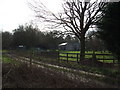
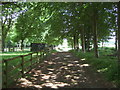
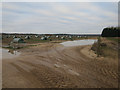
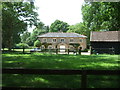
Area Information
Living in Beachamwell means settling into a civil parish with an area of 22.1 square kilometres situated in England. This location appeals to those seeking a rural setting with a measured scale, where the community fabric remains distinct. The village functions as a settled environment rather than a rapidly expanding urban centre, offering a compact footprint for residents to navigate on foot or by vehicle. You will find a neighbourhood defined by its conventional boundaries and a lifestyle that prioritises stability over metropolitan pace. The total landmass creates enough space for open areas without diluting the sense of place that characterises daily life here. Prospective buyers often value the straightforward nature of a parish with these specific dimensions. The area does not boast complex infrastructure or sprawling commercial zones, which keeps the focus on residential utility and natural surroundings. Your morning routine likely involves quiet streets and a community rhythm that has persisted for decades. The size of Beachamwell suggests a manageable distance to local amenities, making it suitable for those who prefer shorter commutes or a slower pace of life. Whether you are moving from a larger town or looking to downsize, the physical layout supports a self-contained existence. The area defines itself through its existence as a distinct entity within the wider county, offering clarity in location. You gain a home that sits within a defined geographical boundary, providing a clear sense of where you live and what surrounds you.
- Area Type
- Parish
- Area Size
- 22.1 km²
- Population
- Not available
- Population Density
- Not available
Demographics
The community in Beachamwell is dominated by older residents, with a median age of 70 years. This demographic profile indicates a neighbourhood where retirees and older households form the core of the population. You are joining a demographic heavy with Experience in later life stages, which shapes the local culture and social activities. The data confirms that the average resident falls into the senior age bracket, creating a quiet and established social environment for newcomers. Home ownership stands at 66%, which places this area above the national average for property ownership. A significant majority of households own their homes outright or with a mortgage, reducing the reliance on the rental sector. This high rate of ownership often correlates with longer-term residents who have built deep roots in the parish. The household composition data reflects a total picture where these independent or owner-occupied units predominate the street scene. Accommodation types align with this ownership model, suggesting a stock built for stability rather than high turnover. Ethnic diversity and religious affiliation data are not explicitly quantified in the available figures, but the dominant trends point towards a homogenous population typical of many rural English parishes. The low median age drives the community feel towards traditional values and established routines. If you value a demographic where decisions feel collective and rooted in local history, the 70-year median age supports this expectation. The area maintains a character consistent with a retirement-focused village where generations have passed without significant displacement. You can expect a society where knowledge remains local and connections are long-standing.
Household Size
Accommodation Type
Tenure
Ethnic Group
Religion
Household Composition
Age
Household Deprivation
NS-SEC
Explore more demographic insights in this area
Go to Demographics tabPlanning
Planning Constraints
- Flood RiskPremium
- Ramsar Wetland SitesPremium
- Area of Outstanding Natural BeautyPremium
- Protected Nature ReservePremium
- Protected WoodlandPremium
- Crime RiskPremium