Area Overview for Bayford
Photos of Bayford
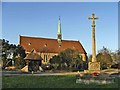
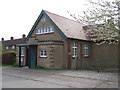
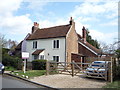
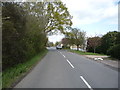
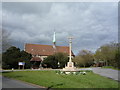
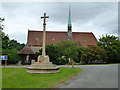
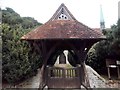
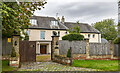
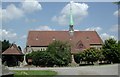
Area Information
Living in Bayford offers a quiet, compact environment within a built-up area spanning 33.8 hectares. The area’s older demographic, with a median age of 70, suggests a community that values stability and familiarity. While Bayford is not a sprawling town, its proximity to nearby rail stations and retail hubs provides practical access to services without the need for long commutes. The high home ownership rate of 77% indicates a settled population, many of whom may have lived in the area for decades. Daily life here is likely shaped by local routines, with the church, schools, and nearby shops forming the heart of the community. For those seeking a slower pace, Bayford’s small size and low crime risk—scoring 87 out of 100 for safety—make it an appealing choice for retirees or those prioritising security. However, the area’s limited size may mean fewer amenities compared to larger towns, requiring residents to venture slightly further for specialist services.
- Area Type
- Built Up Area 250
- Area Size
- 33.8 hectares
- Population
- Not available
- Population Density
- Not available
The lifestyle in Bayford is shaped by its proximity to essential amenities, including five retail outlets such as Aldi Hertford, Co-op Fleming, and M&S Hertford SF. These shops provide access to groceries, clothing, and everyday essentials, reducing the need for long trips to larger centres. The rail network, with stations like Bayford and Hertford North, offers convenient links to nearby towns, enhancing accessibility for shopping, dining, and leisure. While the area lacks large parks or recreational facilities, the presence of multiple retail points and rail connections suggests a practical, community-focused lifestyle. Residents can enjoy a mix of local shopping and easy travel, though the area’s smaller size means specialist services may be limited to nearby towns.
Amenities
Schools
The nearest school to Bayford is the Bayford Church of England Voluntary Controlled Primary School, which serves the local community with a primary education offering. Its Ofsted rating of “good” indicates a satisfactory standard of teaching and facilities, though it does not exceed expectations. The absence of secondary schools in the immediate vicinity means families may need to travel to nearby towns for higher education. This mix of school types—primarily primary—suggests that Bayford is well-suited for younger children but may require additional planning for teenagers. Parents considering the area should factor in the need for transportation to secondary schools, as the local primary school alone does not cover all stages of education.
| Rank | School | Type | Entry gender | Ages |
|---|
Explore more schools in this area
Go to Schools tabDemographics
Bayford’s population is predominantly older, with a median age of 70, reflecting a community where retirement is the norm. The most common age range is listed as “Total,” suggesting a broad distribution but with a clear skew towards older residents. Home ownership is high, at 77%, indicating that most households are owner-occupied rather than renting. The accommodation types and household composition are not specified in detail, but the data implies a mix of family and single-person households. The area’s demographic profile suggests a low turnover of residents, with many likely having lived in Bayford for years or decades. This stability may contribute to a close-knit community feel, though the lack of specific data on diversity or deprivation means the full picture of social dynamics remains incomplete.
Household Size
Accommodation Type
Tenure
Ethnic Group
Religion
Household Composition
Age
Household Deprivation
NS-SEC
Explore more demographic insights in this area
Go to Demographics tabPlanning
Planning Constraints
- Crime RiskPremium