Area Overview for Barton Mills
Photos of Barton Mills
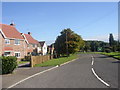
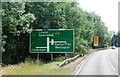
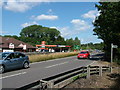


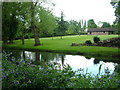

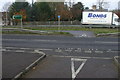
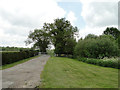
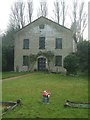

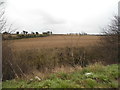
Area Information
Barton Mills is a compact built-up area in England, spanning 58.1 hectares. Its modest size suggests a tightly knit community, where daily life is likely shaped by local rhythms rather than sprawling urban sprawl. The area’s median age of 70 indicates a predominantly older population, which may influence the pace of life and the types of amenities available. Despite its small footprint, Barton Mills offers practical access to nearby retail, transport, and essential services. For those considering living here, the area’s character is defined by its proximity to RAF bases and a single railway station, suggesting a mix of military and civilian influences. While the broadband score is low, mobile coverage is strong, which could be a consideration for remote workers. Barton Mills is not a place for those seeking fast-paced urban living but may appeal to those prioritising safety, simplicity, and proximity to specific infrastructure.
- Area Type
- Built Up Area 250
- Area Size
- 58.1 hectares
- Population
- Not available
- Population Density
- Not available
Residents of Barton Mills have access to nearby retail hubs, including Waitrose Little Waitrose, Sainsburys Mildenhall, and Heron Mildenhall, offering a range of shopping and dining options. The proximity to RAF Mildenhall and RAF Lakenheath may provide unique lifestyle opportunities, such as military-related events or employment. The single railway station at Kennett connects the area to broader networks, though local public transport options are sparse. The compact size of Barton Mills means amenities are within practical reach, fostering a self-contained community. While the retail offerings are modest, they cater to daily needs, and the presence of military bases adds a distinct character to the area’s social fabric.
Amenities
Schools
| Rank | School | Type | Entry gender | Ages |
|---|
Explore more schools in this area
Go to Schools tabDemographics
The population of Barton Mills is predominantly older, with a median age of 70, reflecting a community where retirees or long-term residents form the majority. Home ownership is high at 73%, suggesting many properties are owner-occupied rather than rented. This figure implies a stable housing market with fewer transient residents. The data does not specify household composition or accommodation types, but the overall demographic profile points to a low-deprivation area, which typically correlates with better access to services and lower poverty rates. However, the lack of detailed breakdowns on diversity or religious composition means the community’s cultural makeup remains less defined. For buyers, this suggests a mature population with established needs, potentially influencing local amenities and property demand.
Household Size
Accommodation Type
Tenure
Ethnic Group
Religion
Household Composition
Age
Household Deprivation
NS-SEC
Explore more demographic insights in this area
Go to Demographics tabPlanning
Planning Constraints
- Crime RiskPremium