Area Overview for Barking
Photos of Barking
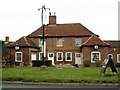
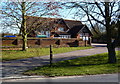
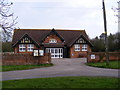
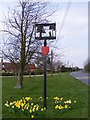
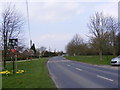
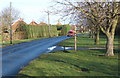
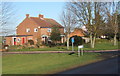
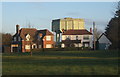
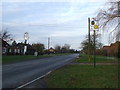
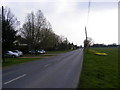
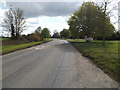
Area Information
Barking is a built-up area in England covering 29.2 hectares, offering a compact yet functional living environment. With a median age of 70, it reflects a community shaped by long-term residents, many of whom have lived here for decades. The area’s home ownership rate of 82% suggests a stable population, with most residents occupying their own properties. Daily life in Barking is defined by proximity to essential services, including five retail outlets such as East of England Co-operative Co and Budgens Great, which cater to local needs. Nearby rail links, including Entrance, Needham Market, and Stowmarket stations, provide easy access to surrounding towns and cities. While the area is small, it is well-connected, with RAF Wattisham airport within practical reach. For those considering living in Barking, the blend of established infrastructure and accessible transport makes it a practical choice, particularly for those prioritising convenience over expansive urban amenities.
- Area Type
- Built Up Area 250
- Area Size
- 29.2 hectares
- Population
- Not available
- Population Density
- Not available
Residents of Barking have access to a range of nearby amenities, including five retail outlets such as East of England Co-operative Co and Budgens Great, which provide essential shopping and services. The rail stations—Entrance, Needham Market, and Stowmarket—offer straightforward connections to surrounding areas, making it easy to commute or travel. While the data does not specify parks or leisure facilities, the presence of multiple retail and transport options suggests a lifestyle focused on practicality and accessibility. The proximity to RAF Wattisham airport adds another layer of convenience for those requiring air travel. For daily life, the combination of local shops and efficient rail links ensures that most needs can be met without long journeys. The area’s compact size means amenities are closely clustered, supporting a lifestyle that prioritises ease of access over expansive recreational spaces.
Amenities
Schools
| Rank | School | Type | Entry gender | Ages |
|---|
Explore more schools in this area
Go to Schools tabDemographics
Barking’s population has a median age of 70, indicating a community skewed towards older residents. This suggests a demographic where retirement and long-term residency are common, with fewer younger families. The area’s home ownership rate of 82% highlights a strong presence of owner-occupied properties, which may reflect a preference for stability among its residents. While the data does not specify household composition or ethnic diversity, the high home ownership figure implies a mature population with established living arrangements. The absence of detailed breakdowns on accommodation types or ethnic groups means the area’s full demographic profile remains partially obscured. However, the age profile and ownership statistics together paint a picture of a community where older residents dominate, with limited data on younger or more transient populations.
Household Size
Accommodation Type
Tenure
Ethnic Group
Religion
Household Composition
Age
Household Deprivation
NS-SEC
Explore more demographic insights in this area
Go to Demographics tabPlanning
Planning Constraints
- Crime RiskPremium