Area Overview for Aldringham cum Thorpe
Photos of Aldringham cum Thorpe
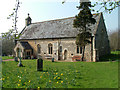
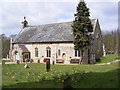
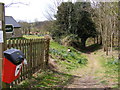
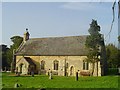
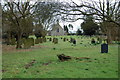
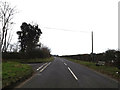
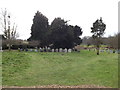
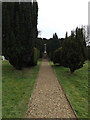
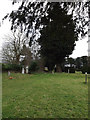
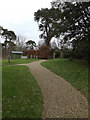
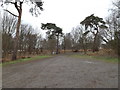
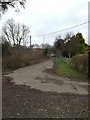
Area Information
Living in Aldringham cum Thorpe offers a pastoral experience within a parish that spans exactly 8.0 km² of Suffolk landscape. You are entering a space defined by its quiet rhythm and deep-rooted character, rather than urban dynamism. The area is situated south of Ipswich beyond theiswa waters of the Alde Valley, placing it within the broader West Suffolk region. This locality is one of the few places where you can truly appreciate open countryside while maintaining a connection to established village life. The size of the parish suggests a secluded setting ideal for those seeking distance from busy main roads and heavy traffic flows. You will find that daily life here revolves around footpaths, local pubs, and the seasonal changes of the Norfolk Broadland landscape. Your mornings might involve crossing farm tracks rather than navigating ring roads, which shapes your perception of time and pace. The 8.0 km² footprint means you know every road name and landmark without needing a map. Residents here often describe their routine as slower but more intentional, focusing on gardening, walking, and community events rather than consumer leisure. The area is defined by its rural classification as a civil parish, which influences everything from planning permissions to local governance. When you consider Aldringham cum Thorpe, you are choosing a location where the horizon remains visible from most properties and where development is carefully managed to protect the surrounding green belt. This environment suits those who value privacy and nature over proximity to city centres or major shopping destinations.
- Area Type
- Parish
- Area Size
- 8.0 km²
- Population
- Not available
- Population Density
- Not available
Demographics
The community in Aldringham cum Thorpe is distinctly older, with a median age of exactly 70 years. You will find that the population is composed primarily of retirees rather than young families or professionals establishing careers. This age profile creates a neighbourhood where social interactions often centre around leisure activities, health-related support groups, and community gatherings rather than youth sports or nightlife. The prevalence of older residents means that local businesses and transport services tend to cater to an older demographic. Your neighbours are likely to include pensioners who have lived in the area for decades, creating a stable social fabric built on long-term friendships rather than transient populations. Home ownership stands at 79%, indicating that the vast majority of households own their properties outright or have significant equity. This high ownership rate reflects the fact that most people have moved to the area to retire permanently rather than renting for a temporary stay. You will encounter very few student accommodation or miniature flats typically associated with university towns, as the housing stock is designed for families and couples. The household composition data confirms that total household numbers are stabilised by these permanent residents, leading to predictable community dynamics throughout the year. Unless you are specifically looking for a dynamic youth culture or bustling high streets, this demographic reality means you are buying into established, quiet neighbourhoods where the pace of life remains consistent regardless of the season.
Household Size
Accommodation Type
Tenure
Ethnic Group
Religion
Household Composition
Age
Household Deprivation
NS-SEC
Explore more demographic insights in this area
Go to Demographics tabPlanning
Planning Constraints
- Flood RiskPremium
- Ramsar Wetland SitesPremium
- Area of Outstanding Natural BeautyPremium
- Protected Nature ReservePremium
- Protected WoodlandPremium
- Crime RiskPremium