Area Overview for Worthington
Photos of Worthington
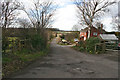
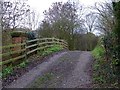
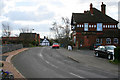
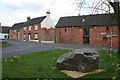

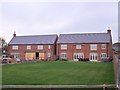
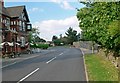

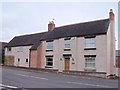
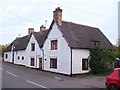
Area Information
Living in Worthington means residing within a civil parish defined by its small footprint and quiet character. This settlement covers an area of 8.5 km², creating an intimate neighbourhood where residents often know their immediate surroundings. The community is notably mature, with a median age of 70. This demographic profile suggests a retirement destination or a retirement village atmosphere rather than a hub for young families or students. Day-to-day life revolves around established neighbourhood routines rather than rapid urban expansion or noisy commercial development. Prospective buyers looking for a localised, low-density environment will find this parish offers a specific lifestyle. The absence of large-scale commercial zones or high-density developments means your daily journey focuses on local amenities and green spaces rather than commuting through busy town centres. You can expect a pace of life that prioritises stability over the hustle normally found in larger settlements. The physical scale of the parish ensures that the environment feels contained and manageable. Whether you are visiting or moving here permanently, the community offers a distinct separation from the wider Hampshire county structure found just beyond these boundaries.
- Area Type
- Parish
- Area Size
- 8.5 km²
- Population
- Not available
- Population Density
- Not available
Demographics
The community in Worthington presents a distinctly older population with a median age of 70. This age figure defines the social fabric of the parish, indicating that services and social activities likely cater to an older demographic. While specific breakdowns for household composition are not detailed, the area ownership figures reveal a clear financial pattern. Home ownership stands at 83%, which is a significant majority. This high rate of ownership suggests that most residents have settled permanently in their properties. The area does not function as a primary rental market; instead, it serves as a place where individuals and couples have established long-term residences. Accommodation types reflect the needs of this age group, with larger houses and converted flats being the norm. The predominance of owned homes reinforces the stability of the population. You are unlikely to experience high tenant turnover or the transient nature of student areas. The demographic data points to a neighbourhood where residents value security and stability. The low level of home ownership among younger potential buyers might mean fewer new families arriving to change the character of the streets.
Household Size
Accommodation Type
Tenure
Ethnic Group
Religion
Household Composition
Age
Household Deprivation
NS-SEC
Explore more demographic insights in this area
Go to Demographics tabPlanning
Planning Constraints
- Flood RiskLocked
- Ramsar Wetland SitesLocked
- Area of Outstanding Natural BeautyLocked
- Protected Nature ReserveLocked
- Protected WoodlandLocked
- Crime RiskLocked